
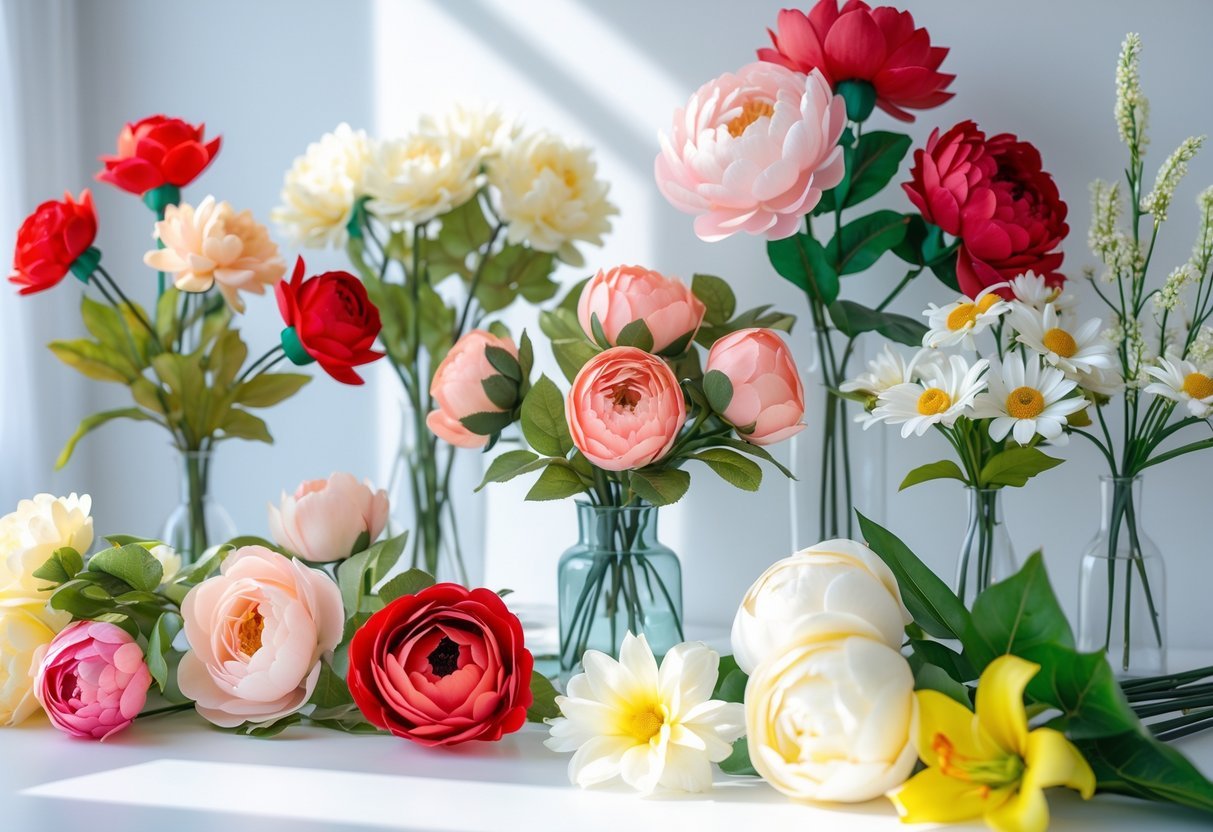
You want flowers that look and feel real without the upkeep, and you can have them in ways that suit your home, wedding or work space. I’ll show you how realistic artificial flowers can match fresh blooms in appearance while saving you time and money.
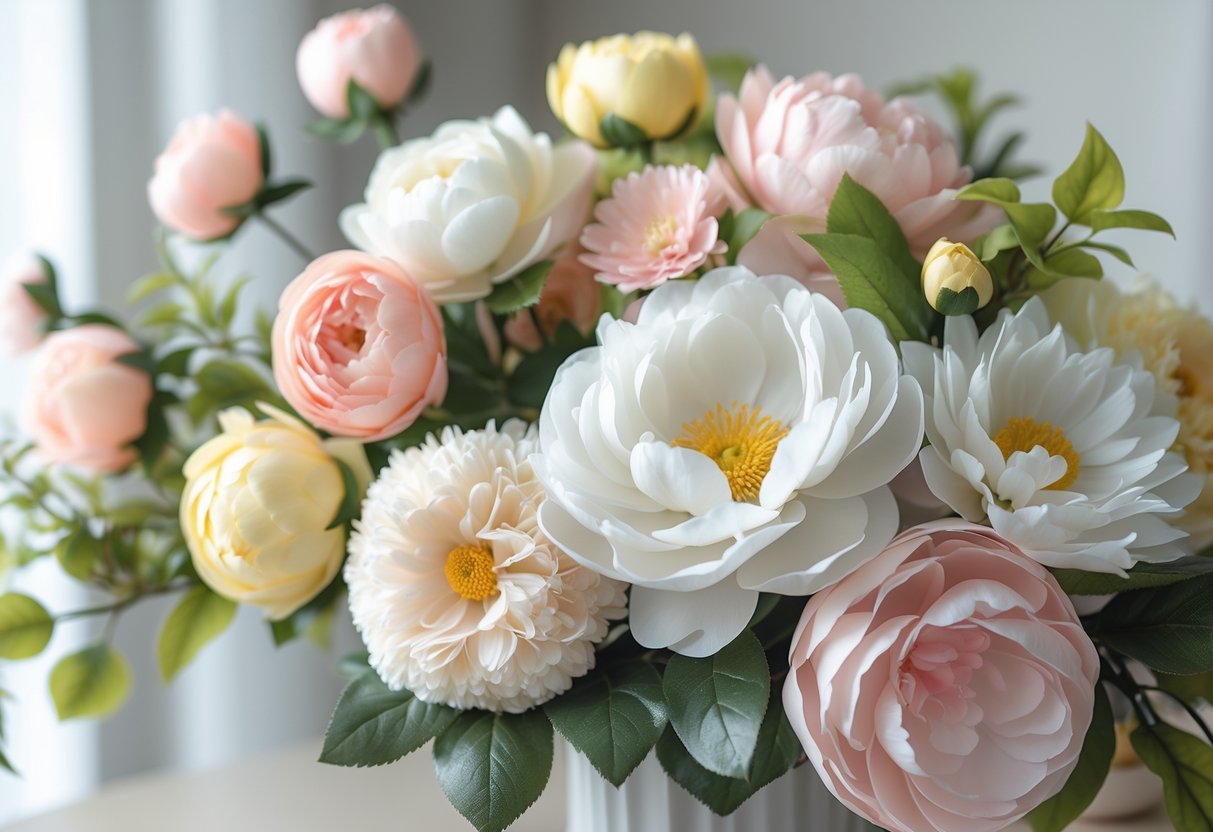
You’ll learn which materials and styles give the most lifelike look, how to pick stems that suit your space and how simple care keeps them convincing for years. I’ll also point you toward reliable places in Australia to buy high-quality faux stems so you can make confident choices.
Key Takeaways
- Learn what makes artificial blooms look realistic and which materials to prefer.
- Pick styles and care tips that keep arrangements looking fresh with minimal effort.
- Find trusted Australian options and buying tips to get the best value.
What Are Realistic Artificial Flowers?
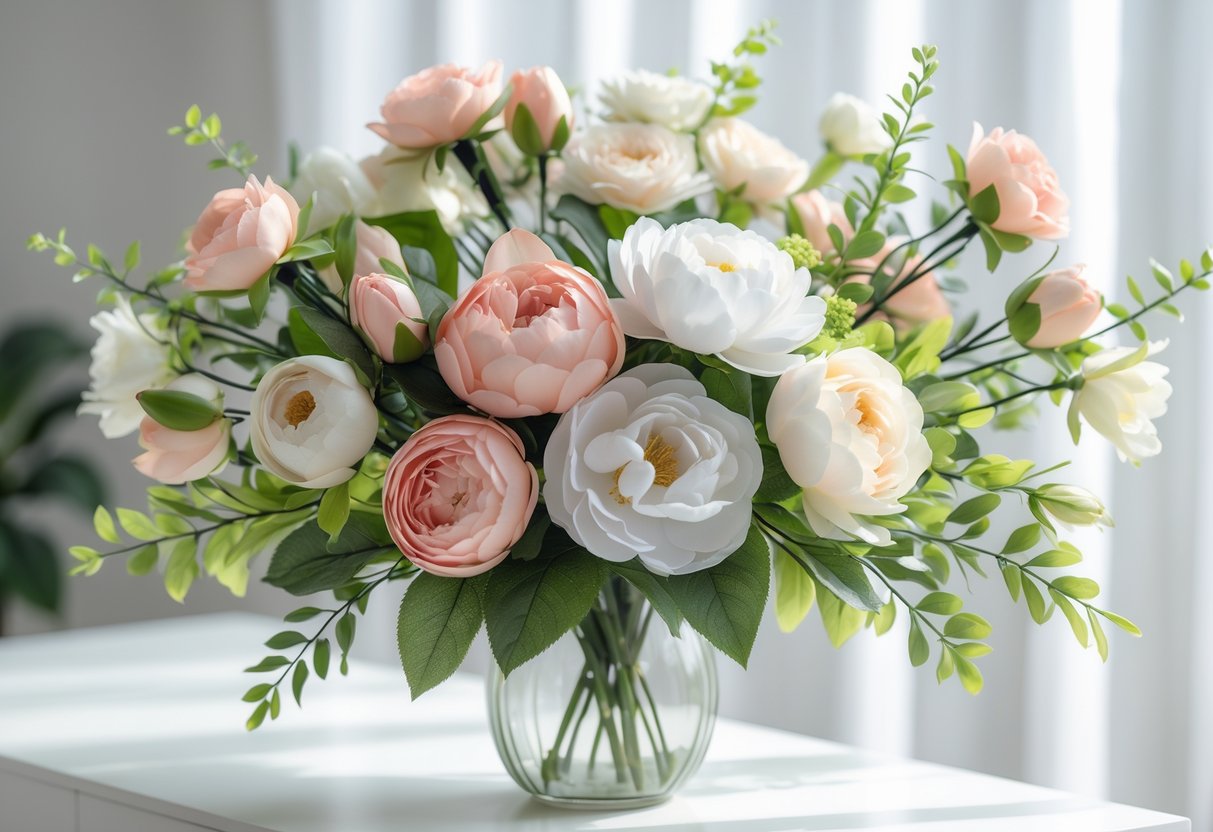
I’ll explain how lifelike artificial flowers mimic fresh blooms, what materials and craft techniques produce “real-touch” textures, and why people choose them over cut flowers.
Defining Realistic and Real-Touch Artificial Flowers
I define realistic artificial flowers as high-quality replicas that match the shape, colour gradation and scale of natural species. Real-touch artificial flowers aim specifically to reproduce petal and leaf texture; they feel soft or slightly velvety to the touch rather than plasticky. I look for details such as wired stems that bend naturally, subtle imperfections in petals, and accurate colour transitions from centre to edge.
When I inspect a piece, I check the underside of petals for stitching or lamination, the leaf-vein pattern, and how the stems join the bloom. These cues separate premium faux stems from mass-produced plastic varieties.
Materials and Techniques Used
Manufacturers use a mix of fabrics, plastics and specialised coatings to reach realism. Common materials include silk and polyester blends for petals, polyurethane or latex coatings for a “real touch” finish, and PVC or metal wires inside stems for flexibility. Foam and cold-cured latex create full-bodied petals that compress and rebound like real flowers.
Techniques that improve realism include airbrushing for subtle colour variegation, hand-assembly of petals for natural overlap, and texturing presses that emboss vein patterns. For bridal-quality arrangements, suppliers often hand-finish stems and hide glue or seam lines to maintain close-to-natural appearance. For examples of suppliers and product types, see a guide on hyper-realistic blooms from rinlongflower and a material overview at Wayfair.
Benefits Compared to Fresh Flowers
I choose realistic artificial flowers when longevity, allergen-free display and low maintenance matter. They don’t wilt, so they keep consistent colour and shape for years — ideal for weddings, store displays or seasonal décor where replacement would be costly. They also tolerate handling and travel better than cut blooms.
Cost-wise, realistic artificial flowers often offer lower lifetime expense: higher upfront cost than cheap faux stems, but no refrigeration, no water or daily care. They let me mix varieties out of season (peonies in winter, ranunculus year-round) without compromising on look. For information on retailers and product ranges in Australia, check realistic artificial flower retailers and specialised “real touch” collections.
Types and Styles of Realistic Artificial Flowers
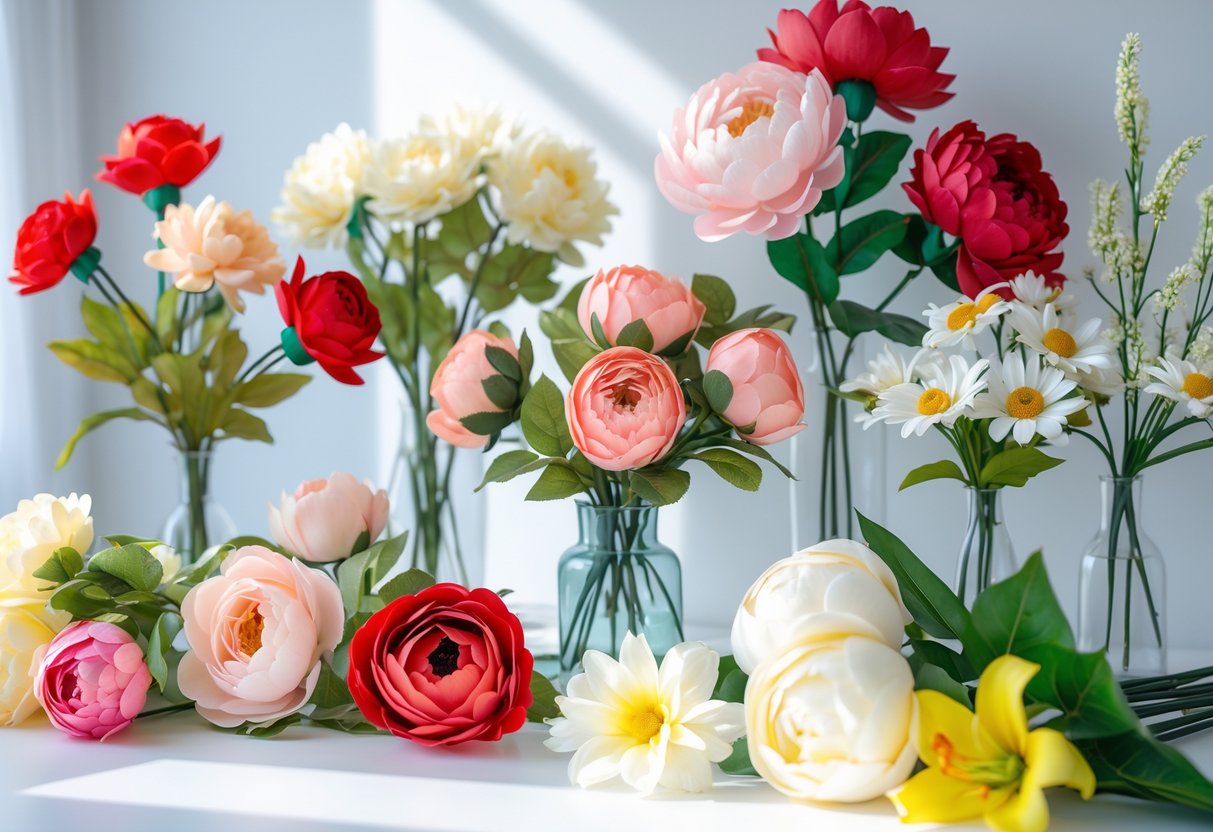
I focus on materials, textures and how each option suits specific uses so you can pick blooms that look natural, last and fit your budget.
Popular Varieties and Bloom Types
I look for petals, centre detail and foliage that match the living version when choosing popular varieties like roses, peonies and orchids.
Roses often use layered silk or latex petals with a slightly fuzzy edge to mimic real bloom edges. Peonies benefit from fuller foam or silk heads with many thin petals; they create volume in arrangements without needing foliage. Orchids require thin, slightly translucent petals and wire-backed stems so they keep a natural arch.
Key selection points I use:
- Petal material: silk for soft drape, latex/real touch for texture.
- Stem and wire: sturdy, flexible stems prevent sagging.
- Colour variation: subtle gradients and speckling look real.
Forever Florals and Real Touch Options
I call out forever florals when I want maintenance-free displays that resist fading outdoors or under bright indoor lights. Forever florals typically use UV-stable dyes and weather-resistant stems for longevity in Australian conditions.
Real touch artificial flowers replicate the tactile feel of petals using latex or advanced silicone blends.
I handle real touch stems carefully: they need less arranging but show fingerprints on glossy finishes. Real touch suits bridal bouquets and close-up displays because people expect realistic texture up close.
Custom Arrangements and Shop by Category
I shop by category to speed decision-making: single stems, bunches, pre-made bouquets, wreaths and potted arrangements. Each category targets a purpose—single stems for DIY, bunches for bulk centrepieces, wreaths for doors, potted faux plants for corners.
When ordering custom arrangements I specify flower types, stem lengths, foliage density and colour palette.
Options I commonly request:
- Stem length: 30–60 cm for table arrangements.
- Foliage mix: eucalyptus and fern for natural spacing.
- Finish: matte petals to reduce shine in photos.
If you want to explore product ranges, I recommend checking dedicated retailers that list material and care details, such as realistic artificial flower collections and real touch lines from specialist sellers.
Uses and Occasions for Realistic Artificial Flowers
I focus on practical ways to use lifelike faux blooms so they look intentional, not decorative leftovers. Each application below highlights durability, placement, and pairing tips that make artificial flowers work for everyday life and special events.
Home Decor and Styling Tips
I place high-quality silk roses, hydrangeas or eucalyptus in low-light rooms where real plants struggle. Use a focal arrangement—one large vase on the dining table—and smaller matching posies on mantels or bedside tables to create cohesion.
Rotate textures and heights: mix fabric peonies with dried grasses for contrast. Keep stems flexible so you can bend them into natural curves; wired stems let me create layered silhouettes.
Clean and refresh quarterly: a gentle wipe or a short burst of compressed air removes dust and keeps petals vibrant. For a more realistic finish, pair faux blooms with a few real elements, such as a bowl of fresh lemons or a small potted herb, to add scent and seasonal variety.
Artificial Wedding Flowers and Bridal Bouquets
I recommend using realistic artificial wedding flowers for bouquets that must survive long days, travel, or keepsake purposes. Choose “real touch” or silk varieties with wired stems for secure construction and natural movement.
Match colours and scale to dress and venue: soft blush peonies for a garden ceremony, sturdy protea for a modern city wedding. Have a florist wire and tape stems, add ribbon wraps, and include a small sachet of dried lavender if you want scent.
For table centrepieces and ceremony arches, faux flowers save money and remove wilting worries. Store bridal bouquets in a cool, dry place after the event; they become lasting wedding mementos and can be rehung or displayed without special preservation.
Gifts, Corsages and Gift Cards
I use realistic blooms for gifts when longevity matters—anniversary bouquets, sympathy arrangements, or housewarming presents. Pick elevated materials (silk, latex) and present them in gift-ready containers like ceramic pots or hat boxes.
For corsages and buttonholes, I select small, sturdy blooms with wired calyxes so florists can fasten them securely to fabric. Adhesive-backed pins or ribbon ties keep corsages in place during long events.
Pair faux arrangements with a printed gift card detailing care instructions and the story behind the flowers. That gives recipients practical guidance and a personal touch while avoiding the maintenance and short lifespan of fresh flowers.
How to Choose and Care for Realistic Artificial Flowers
I focus on materials, scale, and placement so arrangements look convincing in their intended space. I also attend to simple cleaning steps and seasonal styling to keep blooms fresh-looking year-round.
Selecting the Right Arrangement
I pick materials that match the look I want: silk or “real-touch” fabrics for soft petals, polyurethane or latex for textured, lifelike finishes, and paper or polyester for budget-friendly shapes. I check stems — wire-wrapped stems let me pose flowers naturally, while rigid plastic stems suit vase-only displays.
Scale matters: I measure my vase and room before buying. A bedside vase needs smaller heads and shorter stems; a dining table centrepiece should be proportionate to table width and sightlines.
Colour and foliage must read naturally from a distance. I choose slightly muted or variegated greens and avoid overly saturated petals. For new arrivals, I inspect photos for petal layering and close-up texture to judge realism before purchase.
Tips for Cleaning and Maintenance
I dust artificial flowers weekly with a soft brush or microfibre cloth to prevent grime buildup. For deeper cleaning, I use a mixture of lukewarm water and a few drops of mild dish soap; I dip a soft cloth and wipe petals and leaves, then pat dry with paper towel.
For fragile pieces or pieces with glued details, I use compressed air or a gentle handheld vacuum on low suction to avoid damage. I keep silk or fabric blooms out of direct sun to reduce UV fading, and I rotate arrangements every few months to even out any light exposure.
If stems accumulate shine, I rub them lightly with a small amount of matte-finish spray or a tiny dab of talc to remove plastic gloss.
Refreshing and Styling for Every Season
I swap accents—berries, eucalyptus sprigs, seed pods—for seasonal interest without changing the whole arrangement. For spring, I add lighter greens and pastel buds; in autumn, I introduce rusty oranges and textured grasses.
I update containers to match the season: a woven basket in summer, a ceramic jug in winter. I reposition groupings around the home for events or new arrivals, clustering smaller stems into bud vases and using larger stems singly for impact.
I secure loose heads with floral tape or hot glue when needed, and I replace individual stems rather than the entire arrangement to keep costs down and maintain a realistic look.
For visual guidance on materials and realistic styles, I compare product details with a reliable material guide like the one on Wayfair for fabric types and texture considerations (Material Guide for Artificial Flowers That Look Real).
Where to Buy Realistic Artificial Flowers in Australia
I recommend looking at specialist florists for the best quality and at established online stores for variety, delivery and wedding orders. Prioritise realistic materials (real-touch silk), detailed stems and clear return policies.
Leading Retailers and Florists
I favour shops that specialise in lifelike stems and offer both retail and wholesale options. The Artificial Flower Co. stocks high-quality, life-like faux flowers and arranges luxury silk pieces suitable for weddings and events; check their main site for product ranges and showroom info (https://www.theartificialflowerco.com.au/). Floral Craft supplies florist-grade artificial flowers and is useful when you need matching foliage or bulk stems for arrangements (https://www.floralcraft.com.au/artificial-flowers/). For hand-arranged, real-touch collections aimed at long-term display, Forever Flowering lists a physical address in Tullamarine and phone contact for bespoke orders (https://foreverflowering.com.au/). I look for retailers that publish material details, stem lengths and care instructions so I know what I’m buying.
Online Shopping and Delivery Options
I prioritise sites with clear photos, fast shipping and Australia-wide delivery. Realistic Artificial Flowers offers wide wholesale and retail ranges and explicitly states worldwide shipping, which helps when I need bulk imports or expedited orders (https://www.realisticartificialflowers.com.au/?srsltid=AfmBOooGrUB6016E-3NoUUx1SlRXStDIQ1b3tuIVHEx9ss-crvaJTchK). Seaholly focuses on sourcing high-quality, realistic stems and lists product types online, handy for curating bouquets remotely (https://seaholly.com.au/?srsltid=AfmBOopiVEpWhdedbXplPz36TB7SbmDNXRkB-4eX6cbJzKoEBAwfXnQ3). For local delivery from Sydney, Pepperwhites dispatches from Balmain and details shipping territory on product pages (https://pepperwhites.com.au/collections/faux-foliage?srsltid=AfmBOoqVgK0XUot0xvuVdLWrxCll1iJ-3qY2pIB5xJoN28U_I6wnhx8f). I check return policies, delivery timeframes and whether the store offers sample stems before committing to large orders.
Frequently Asked Questions
I focus on materials, construction and styling techniques that make artificial blooms look convincing, last longer and suit specific locations like weddings or outdoor patios. Below I answer practical questions about identifying quality, arranging stems, maintenance and suitable materials or brands.
What’s the secret to making fake blooms look absolutely natural?
Layer different petal textures and tones on the same stem to mimic how real flowers vary as they open. I use petals with slightly frayed edges, subtle colour gradients and occasionally a matte spray to remove an artificial sheen.
Add realistic foliage and imperfect stems — small bends, varied leaf sizes and a few asymmetrical blooms look far more natural than perfectly uniform bunches. I also stagger bloom heights and angling so each stem reads as an individual flower, not a cloned copy.
How can you tell top-notch artificial flowers from the lower quality ones?
Examine the stem and calyx: quality stems are wired, wrapped in floral tape and have a realistic calyx base where the petals meet the stem. Cheap stems are often rigid plastic or thin wire with visible glue marks.
Check the petals for layered construction, natural veining and fabric density — silk or high-grade polyester petals with printed veins and a soft hand are good signs. Smell can also help: premium pieces usually lack the strong chemical odour common in low-cost imports.
Can you give me some pointers on arranging faux flowers convincingly?
Start with a sturdy floral foam or weighted vase and insert foliage first to build a natural framework. I place larger focal flowers at different depths and add smaller filler blooms and stems to hide mechanics and create depth.
Use odd numbers for groupings, vary stem lengths and rotate stems as you step back to ensure the arrangement reads well from multiple angles. Add one unexpected element — a bud, a seed pod or a drooping leaf — to avoid a staged look.
What’s the best way to keep my faux floral arrangements looking fresh and vibrant?
Dust regularly using a soft brush, a hairdryer on cool low or a gentle vacuum brush attachment to prevent dulling. I clean silk or fabric petals with a damp cloth and mild soapy water when needed, then air-dry flat.
Avoid direct sun in bright, hot locations to reduce colour fade and use a UV-protective spray for pieces exposed to light. Replace foliage that loses shape or colour rather than trying to revive severely faded stems.
Are there particular materials or brands that stand out in the faux flower market?
Look for products described as “real touch” or “fresh touch” — these typically combine silicone or high-grade polyester with textured finishes that mimic petal softness. Many Australian florists and event stylists recommend suppliers specialising in lifelike stems for weddings and displays; for examples of FAQ and product focus from established retailers see this Realistic Artificial Flowers FAQ page (https://www.realisticartificialflowers.com.au/pages/faqs).
Consider brands that offer detailed product photos, close-ups and material descriptions so you can assess petal construction and stem mechanics before buying. Retailers with wedding and event experience often stock higher-grade lines and can advise on matching stems to venue conditions.
How do I choose artificial flowers that are suitable for outdoor use?
Select UV-stable plastics and fabrics specified for outdoor or “UV-treated” use to resist fading and brittleness. I prioritise stems with rust-resistant wire and weatherproof glue for pieces that may face humidity or occasional rain.
Test a small piece in the intended location when possible, and plan for periodic replacement of high-exposure elements. For larger outdoor installations, consider using sacrificial foliage that’s inexpensive but UV-stable to take the brunt of the exposure.