
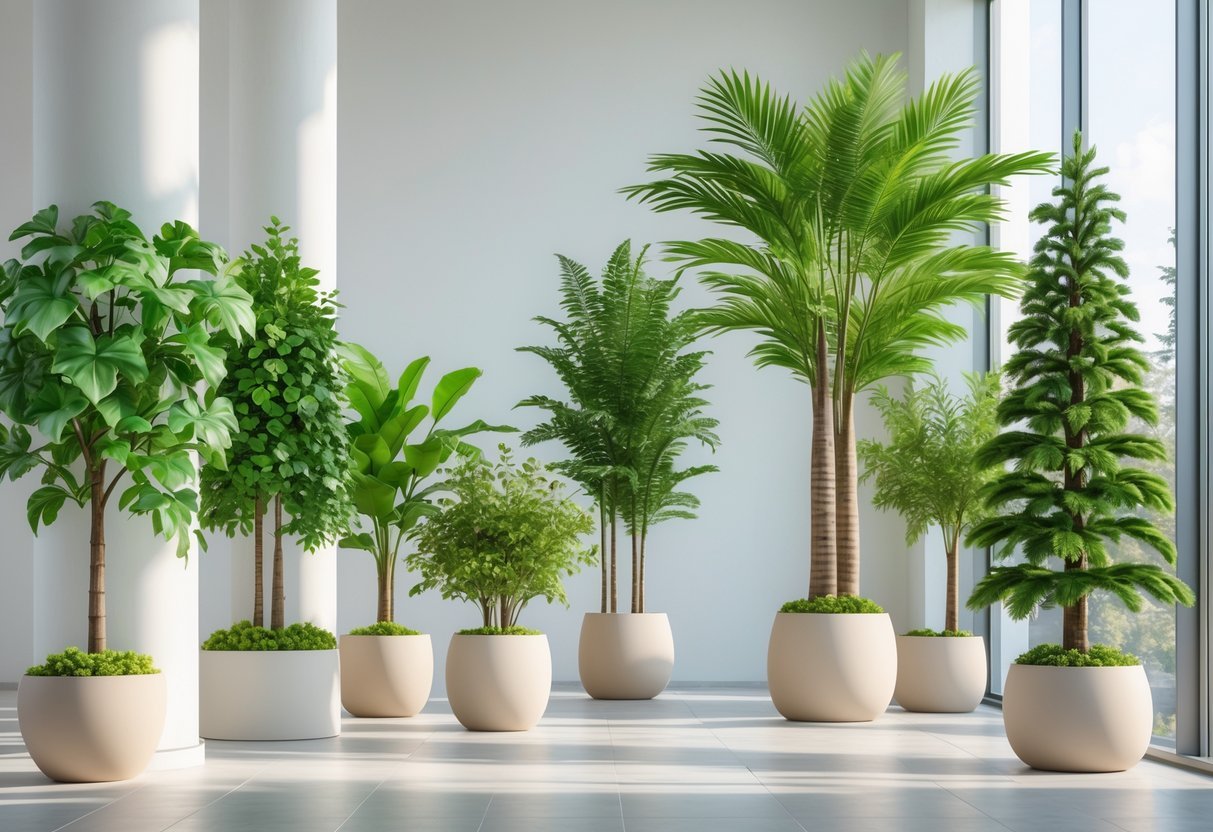
You want an artificial tree that strangers mistake for the real thing, and you can find options that deliver on texture, colour variation and branch structure. I’ll show what to look for so you can pick a lifelike tree that fits your space and budget. The most realistic trees combine high‑quality PE needles, natural branch profiles and realistic trunk details to closely mimic living trees.
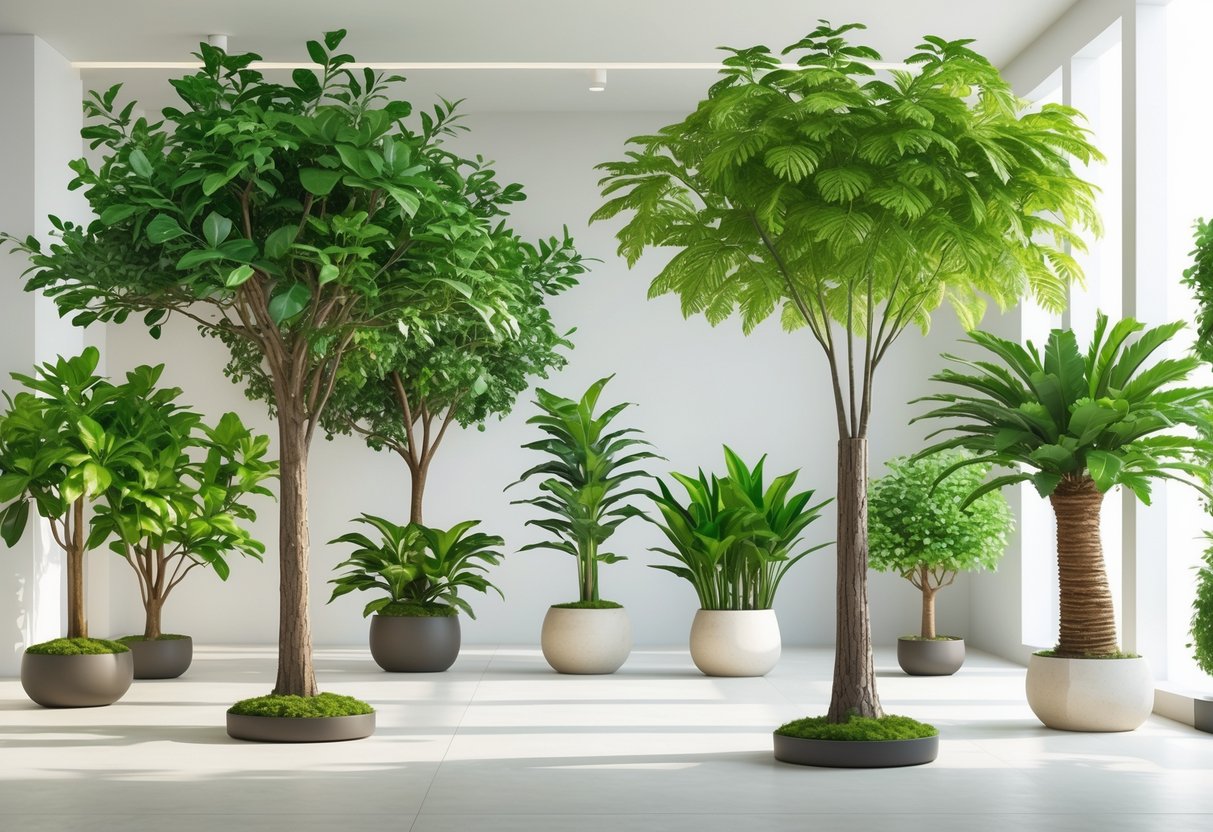
Walk through the key features that make some faux trees look authentic, from mixed-material construction to true-to-life colouring and pre-lit vs unlit choices, and you’ll feel confident comparing top models. I’ll point to trusted examples and clear buying tips so you can skip fluff and pick a tree that looks right in your home.
Key Takeaways
- Focus on needle material, branch design and trunk realism when judging authenticity.
- Compare mixed-material trees and lighting options to match your room and budget.
- Narrow choices by proven brands, practical size and storage needs.
What Makes Artificial Trees Look Realistic
I focus on the tangible elements that make a fake tree pass for the real thing: leaf texture and colour depth, how branches are built and positioned, and the materials used for needles and foliage.
Advancements in Realistic Texture and Colour
Manufacturers now layer pigments and micro-textures to mimic the veins, gloss and subtle colour shifts of living leaves. I look for products that use multi-tone printing and slight variegation across individual leaves; that avoids the flat, single-colour look that gives away cheaper models.
Tactile finish matters as much as sight. Soft-touch polyethylene (PE) leaves and silk blends reproduce the thin, slightly flexible feel of real foliage, while matte coatings prevent unnatural shine under sunlight or indoor lighting.
Durability and UV stability influence appearance over time. I prioritise UV-resistant dyes and fadeproof coatings so the realistic texture and colour remain consistent for outdoor or sunlit indoor locations.
Importance of Branch Construction
Branch architecture dictates silhouette and depth. I check whether branches are wired, hinged or injection-moulded; wired branches let you shape foliage for natural gaps, while realistic silhouettes require a layered branch structure rather than a single flat plane.
The connection between trunk and branch is critical. Realistic artificial trees use staggered branch lengths and varying angles from the trunk to create natural tapering and avoid the “Christmas tree effect” where layers look uniform and artificial.
Needle density and distribution alter light penetration and shadow play. I prefer branches with inner skeletons that support outer foliage so the tree casts varied shadows and reveals occasional glimpses of trunk—key cues the eye reads as natural.
Comparing Realistic Artificial Tree Materials
Polyethylene (PE) and polyvinyl chloride (PVC) remain the primary materials for foliage. PE tends to produce more realistic texture and matte finish for lifelike artificial trees, while PVC needles can hold very fine shapes and are often used for dense, defined silhouettes.
Silk and fabric blends offer soft, delicate leaf edges that photograph well and feel convincing close up. I consider hybrids that combine PE for main leaves and silk for delicate fronds; they balance realism and cost.
Look for material callouts like “UV-resistant PE” or “multi-layered PE needles” on product specs. PVC needles can look plasticky under certain lights, but when mixed with PE or treated with matte finishes they contribute to a convincing, long-lasting realistic appearance.
Types of Most Realistic Artificial Trees
I focus on realistic materials, durable construction and finishes that match how the tree will be used. Expect details about needle type, trunk realism, size options and maintenance needs.
Best Artificial Christmas Trees
I look for trees built from polyethylene (PE) tips and layered branch construction because these deliver the most life-like silhouette and depth. PE needles mimic the texture and sheen of real foliage far better than simple PVC; many reviewers highlight PE-heavy models for being the most realistic artificial Christmas tree.
Trunk and branch hardware matter too. A solid central pole with hinged branch assemblies reduces gaps and creates a natural taper, while metal or realistic timber-look trunks add authenticity under heavy decorations.
I weigh additional features like pre-lit LED systems, fire-retardant treatments, and multi-section assembly that packs flat but spreads full once assembled. If you want a fake Christmas tree that looks convincing up close, choose models with mixed-material tips, realistic colour gradation and sturdy branch cores.
Indoor Artificial Trees for Year-Round Greenery
For year-round greenery indoors I prioritise UV-treated materials, dust-resistant finishes and sizes that suit ceiling height. Smaller faux trees—like Ficus, olive or rubber tree replicas—work well in corners and provide greenery without the watering and pruning real plants demand.
I check for adjustable bases and stable pots so the tree sits level on carpet or timber floors. Realistic indoor artificial trees often use silk-blend leaves and textured trunks to match the scale of domestic rooms.
Maintenance is minimal: occasional dusting and a light wipe keep leaves looking fresh. If you want plants that stay consistent through seasons, indoor artificial trees deliver reliable colour and shape without the seasonal decline of real plants.
Popular Faux Tree Varieties
I recommend considering specific varieties for different visual goals: Norfolk Island pines and firs for traditional silhouettes, olive and ficus for Mediterranean styling, and palm or Kentia replicas for tropical interiors. Each variety has distinct leaf shapes and branching patterns that affect realism.
Manufacturers often combine PE and silk leaves to capture both texture and movement; this hybrid approach is common among the most realistic artificial trees. Look for accurate leaf venation, natural colour variation and a tapered canopy to mimic living specimens.
Size options range from 1.2 m desk trees to 3–4 m statement specimens. Pick a variety that matches room scale and lighting—palm fronds suit bright rooms, while ficus and olive work in moderate light—so the faux tree reads convincing in its intended spot.
Leading Brands and Top Models
I focus on three widely recommended artificial-tree lines that repeatedly earn praise for realism, construction quality and lighting options. Each model brings specific strengths—needle material, branch density, or pre-lit systems—that matter when you want a long-lasting, natural look.
Balsam Hill Vermont White Spruce
I find the Balsam Hill Vermont White Spruce stands out for its layered branch structure and high-density tips. Balsam Hill combines molded PE needles on the inner tips with PVC tips on outer branches to mimic the texture and fullness of a real white spruce. The tree’s branch design allows heavier ornaments without drooping, and the hinged construction makes setup quick.
Lighting options include clear or warm-tone LED and the brand’s patented Quick-Set system on many sizes. I note the realistic cones and subtle colour variation across the foliage, which reduce the uniform plastic look common to cheaper trees. For buyers prioritising lifelike appearance and durability, the Vermont White Spruce remains a top pick. See detailed model specs at Balsam Hill’s listing for comparisons: Balsam Hill Vermont White Spruce (https://www.forbes.com/sites/forbes-personal-shopper/article/best-artificial-christmas-tree/).
National Tree Company Realistic Designs
I recommend National Tree Company for budget-conscious buyers who still want convincing realism. Their Realistic Designs line uses mixed-material tips—thicker PE needles at branch cores and softer PVC tips outward—to approximate natural needle clusters. Models often include flocking, hinged branches and pre-strung LED lights with replaceable bulbs.
I appreciate the brand’s range of silhouettes, from slim fits for apartments to full-bodied 7.5-foot options that match common room proportions. The construction balances price and performance: steel bases, sturdy trunks, and easy assembly. For hands-on comparisons and buyer-tested picks, check National Tree Company’s entries among expert reviews: 15 Best Artificial Christmas Trees of 2025, Tested and Reviewed (https://www.goodhousekeeping.com/holidays/christmas-ideas/g1863/fake-christmas-trees/).
Home Decorators Collection Elegant Grand Fir
I see the Home Decorators Collection Elegant Grand Fir (sometimes marketed alongside the Grand Duchess or Grand Duchess Twinkling Balsam Fir styles) as a strong mid-range choice when fullness and a traditional fir silhouette matter. The collection emphasises dense branch tips and multiple branch lengths to create a tapered, symmetrical profile that fills a room visually.
I value its pre-lit options—especially models with twinkling or clear LEDs—and the ease of assembling hinged branches. The Grand Duchess variants often include mixed-tip construction and realistic trunk textures for a natural look. If you want a classic fir shape with a generous tip count without paying premium-brand prices, the Home Decorators Collection Grand Duchess line merits a close look: The 6 Best Artificial Christmas Trees of 2026 | Reviews by Wirecutter (https://www.nytimes.com/wirecutter/reviews/best-artificial-christmas-tree/).
Material Quality and Technology Used
I focus on the physical materials and the production methods that make an artificial tree look and feel convincing. Key differences in needle type, branch construction and moulding processes determine realism, weight, and durability.
Polyethylene (PE) vs Polyvinyl Chloride (PVC)
I prioritise PE needles when realism matters. PE needles are injection-moulded from polyethylene to create multi-toned, textured tips that mimic real spruce or fir foliage. They hold shape better, sit flatter on branches, and avoid the shiny, flat look common with plain PVC.
PVC remains common as a cost-saving filler. Manufacturers often mix heavier PE branch tips with PVC backfill to increase branch density without the weight and expense of all-PE construction. That hybrid approach balances tactile realism and price, but pure-PE trees usually look more natural at close range.
When inspecting a tree, I check needle thickness, two-tone colouring, and whether manufacturers describe “True Needle” or 3D moulded tips. These details tell me whether needles are PE, PVC, or a blend—and how realistic the final silhouette will be.
Innovative Manufacturing Techniques
I look for 3D moulded needle technology and branch casts taken from real evergreen limbs. Moulded PE needles reproduce the taper, veining and subtle colour variations of natural needles, which improves depth and light behaviour on the tree.
Wire framing and hinged branch systems affect setup and fullness. Quality trees use thicker, multi-strand wire inside branches and sectional hinged assemblies to deliver consistent shape and easier assembly. Foam or polyurethane trunks and segmented branch cores can support heavier lights and ornaments while keeping a natural trunk profile.
Some brands add flocking, hand-placed tips or pre-installed LED systems. These features add realism but may complicate storage and increase weight. I weigh the trade-offs between ease of use, durability and the fidelity of the finished tree.
Environmental Sustainability in Faux Trees
I consider material lifecycle and recyclability when choosing an artificial tree. PE is less problematic than PVC in terms of additives and off-gassing, and some manufacturers now use recyclable polyethylene or post-consumer plastics for needle production.
PVC contains chlorine and stabilisers that make recycling harder. Hybrid trees that mix PE tips with PVC backfill reduce overall PVC content and lengthen product life, which can be more sustainable than cheap, short-lived PVC-only trees.
I also look for companies offering take-back programmes, durable construction that extends usable life, and clear disclosure about materials. Those practices lower the environmental footprint compared with single-season disposable models.
Choosing the Most Realistic Artificial Tree for Your Home
I focus on three practical areas that determine how natural an artificial tree will look and how well it fits my space: correct scale and shape, the right lighting choices, and simple assembly plus ongoing care.
Size, Shape and Placement Considerations
I measure ceiling height and available floor space before shopping. For an aspen fir or similar artificial tree, I leave at least 30–50 cm clearance from ceiling fixtures and walls so branches don’t look squashed. If I want a statement piece, I choose a full-bodied, multi-trunk design; for narrow hallways I pick a slim-profile model that still has layered branch tips for realism.
I check branch density and trunk detail closely. Trees with molded-from-nature tips and textured trunks read as more lifelike at arm’s length. I favour hinged branches for easier shaping and a heavy, stable base or weighted pot to prevent tipping in high-traffic areas.
I consider sightlines from doorways and seating. Placing a realistic artificial tree where viewers see it from eye level, not directly beneath, preserves the silhouette. For outdoor-covered patios I select UV-resistant materials; indoors I prioritise flame-retardant PE or PVC.
Lighting Options and Pre-Lit Trees
I decide between unlit trees I light myself and pre-lit options like pre-lit aspen fir models. Pre-lit trees save time and ensure even bulb spacing; I look for LED warm-white bulbs and replaceable sockets so I can maintain a consistent look over years. Battery-operated pre-lit trees suit spaces without nearby power points.
For DIY lighting I use thin, warm LED string lights and weave them from trunk to outer branch tips for depth. I avoid big, cool-white bulbs that wash out foliage texture. Dimmable transformers help me match brightness to room ambience.
If daylight hits the tree, I choose lights with good colour rendering (CRI 80+) so needles and bark appear natural. For outdoor or sunlit positions, pick UV-rated pre-lit models to prevent bulbs and wires degrading.
Assembly, Care and Maintenance
I assemble in stages: base, trunk, then branch layers, fluffing tips as I go to avoid crushed foliage. Hinged branches reduce setup time, but I still rotate and bend major branches to break uniformity and create natural gaps. For aspen fir trees I pay special attention to trunk seams and joint covers to maintain an authentic tree profile.
Cleaning is simple: dust monthly with a soft brush or low-suction vacuum and wipe the trunk with a damp cloth. For deeper clean I use a mild detergent solution and rinse outdoors, then air-dry fully before reassembling. I store in a breathable bag or original box, keeping branches supported to prevent permanent crushing.
I inspect wiring and bulb sockets on pre-lit trees each season and replace damaged components promptly. Small repairs—re-gluing loose bark wraps or reattaching branch tips—keep a realistic artificial tree looking convincing for years.
Faux Trees Beyond Christmas
I use lifelike faux trees to extend greenery into living spaces year-round. They offer low-maintenance texture, scale and seasonal flexibility without watering or leaf drop.
Artificial Olive Tree and Modern Decor Trends
I pick an artificial olive tree when I want subtle sculptural height and a Mediterranean mood. Look for models with slender trunks, matte-finished olives and varied leaf tones to avoid a flat, plastic look. A realistic tree usually combines PVC and PE foliage; PE tips give natural needle/leaf texture while PVC fills shape economically.
I position an olive tree beside a dining room console or in a bright kitchen corner where its narrow canopy won’t block sightlines. I choose a textured pot—terracotta, cement or woven fibre—to ground the trunk and echo contemporary materials. For styling, I keep ornaments minimal: a single pendant light or a stack of cookbooks complements the tree without clutter.
Artificial Palm Tree and Tropical Inspiration
I bring an artificial palm tree into a room when I want dramatic vertical presence and a relaxed, tropical feel. Palm fronds should have graduated lengths and a slight sheen to mimic real foliage catching light. I inspect the crown for staggered frond placement and a realistic trunk finish—bark texture or odourless fibre wrap sells authenticity.
I place palms in sunlit living areas, bathrooms with good ventilation or in home offices to inject visual height. Use large, heavy pots or decorative woven baskets to prevent top-heaviness and to coordinate with rattan or linen furnishings. I add warm-white uplighting or a floor lamp to accent frond shadows and reinforce the tropical atmosphere.
Frequently Asked Questions
I address how to judge realism, the materials that achieve lifelike looks, where to buy quality indoor trees, eco-friendlier choices, correct maintenance, and outdoor suitability — with practical, specific tips you can use immediately.
How can I tell if an artificial tree looks realistic?
I look for varied leaf shape, slight asymmetry, and natural branch spacing; uniformity and perfectly repeated patterns usually signal a fake.
High-resolution close-ups should show textured veins or moulded edges rather than flat, glossy plastic.
Examine the trunk and branch attachments. A wrapped or painted trunk with irregular bark grain and concealed wire joints reads as more convincing than exposed metal or smooth plastic.
What materials are used to make the most lifelike artificial trees?
Polyethylene (PE) moulded leaves reproduce natural texture and depth; PE needles are common in premium models and resist shine.
Silk or polyester blends appear soft and drape well on broadleaf species, though they can look flatter than PE under close inspection.
Metal or woven-fibre internal frames provide realistic branch movement and stability. Trunk finishes vary from painted resin to paper-wrapped composite that mimic bark grain and colour variation.
Where can I find the best quality artificial trees for indoor decor?
I recommend specialist retailers and brand shops that publish material specs and PE percentages. See Nearly Natural’s FAQ for product care and styling details to confirm realism claims: Fake Tree FAQs (https://www.nearlynatural.com/pages/fake-trees-faqs).
Review sites that test needle construction and branch design help too; they compare PE content and build quality across models so you can judge value before buying.
Check local showrooms when possible so you can inspect texture, branch density, and trunk finish in person. That catches issues online photos can hide.
Are there eco-friendly options for artificial trees that still appear real?
I choose trees built from recyclable plastics or that use minimal mixed materials, which makes end-of-life recycling easier.
Some manufacturers use PE with higher recycled-content blends and avoid heavy metal paints.
Select longer-lasting, repairable trees to reduce lifetime environmental impact. Repairable components and replaceable foliage extend service life and often deliver better overall sustainability than cheap, disposable alternatives.
What care do artificial trees require to maintain their appearance?
I dust foliage regularly with a soft brush or low-suction vacuum to keep leaf texture and colour accurate.
Deep clean with mild soapy water on a cloth for PE or polyester leaves; rinse and air-dry thoroughly to prevent mildew.
Protect foliage from prolonged direct sunlight to avoid UV fade. A light application of UV-protectant spray designed for outdoor plastics can help for sun-exposed indoor spots.
Can artificial trees be used outdoors, and if so, how do they withstand the elements?
Outdoor-rated artificial trees use UV-stabilised plastics, corrosion-resistant frames, and weatherproof adhesives to resist sun, rain and temperature swings. See guidance on outdoor durability and maintenance in Perfect Houseplants’ outdoor tree guide: Best Artificial Outdoor Trees (https://perfecthouseplants.com/best-outdoor-artificial-trees-2/).
Anchor bases and weighted pots improve stability in wind; regular inspections for UV bleaching, loose joints, and water ingress keep them performing season after season.