
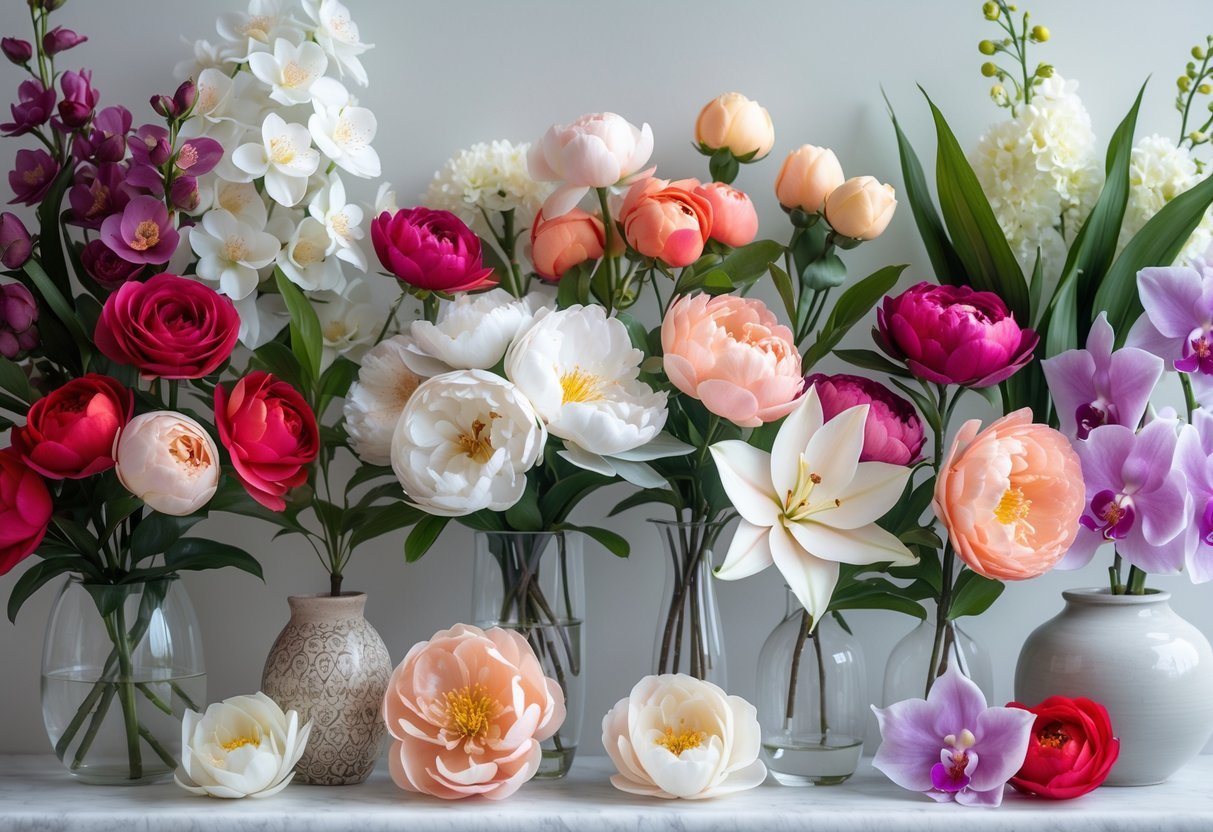
You’ll save time and enjoy lasting beauty when you choose high quality artificial flowers that mimic real blooms in texture, colour and movement. I’ll show you how to spot lifelike materials, convincing detailing and durable construction so you get arrangements that look fresh for years.
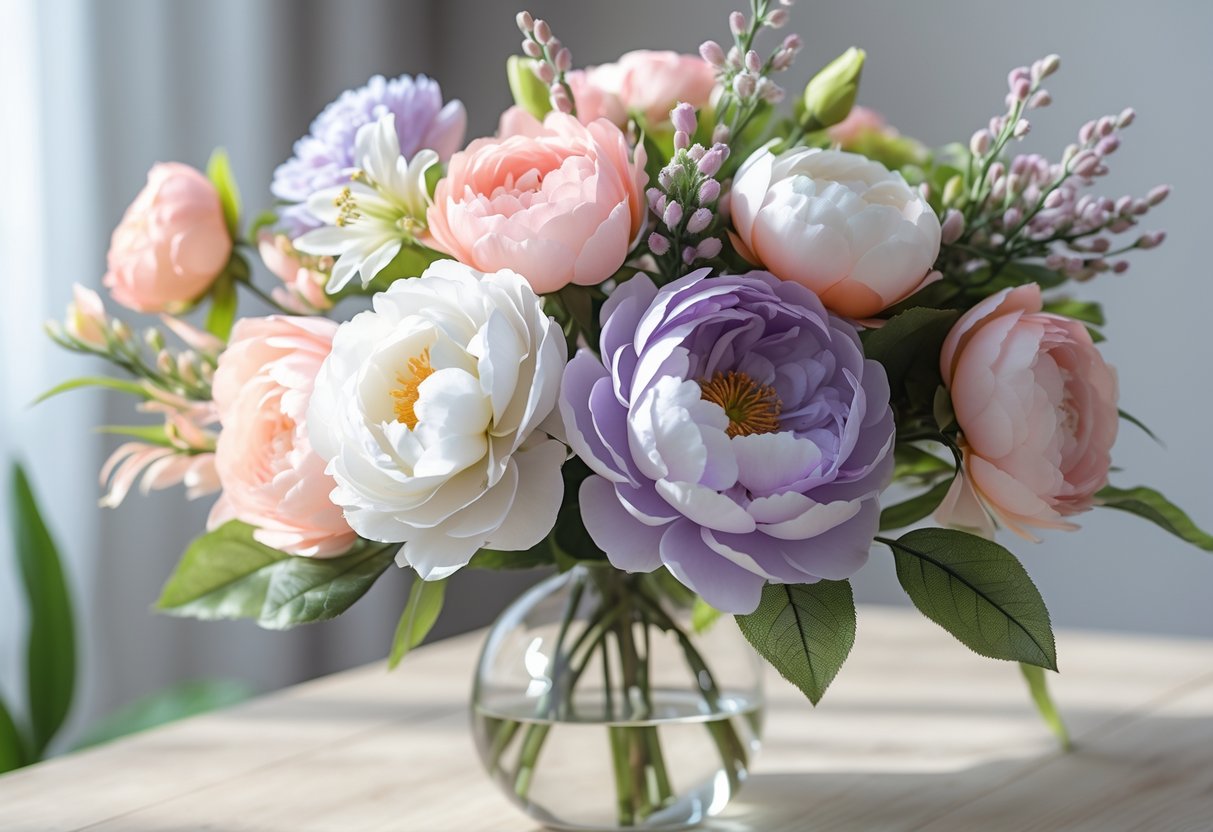
Imagine a vase that never wilts and a display that stays perfect through sunlight and dust; with the right stems you’ll create effortless style in any room. I’ll guide you through realistic types, what matters when buying, and simple care steps so you can pick pieces that suit your space and routine.
Key Takeaways
- Learn the practical signs that separate premium faux blooms from cheap imitations.
- Match the right artificial flower types to your decor and lifestyle needs.
- Maintain lifelike arrangements with a few quick cleaning and placement tips.
Key Features of High Quality Artificial Flowers
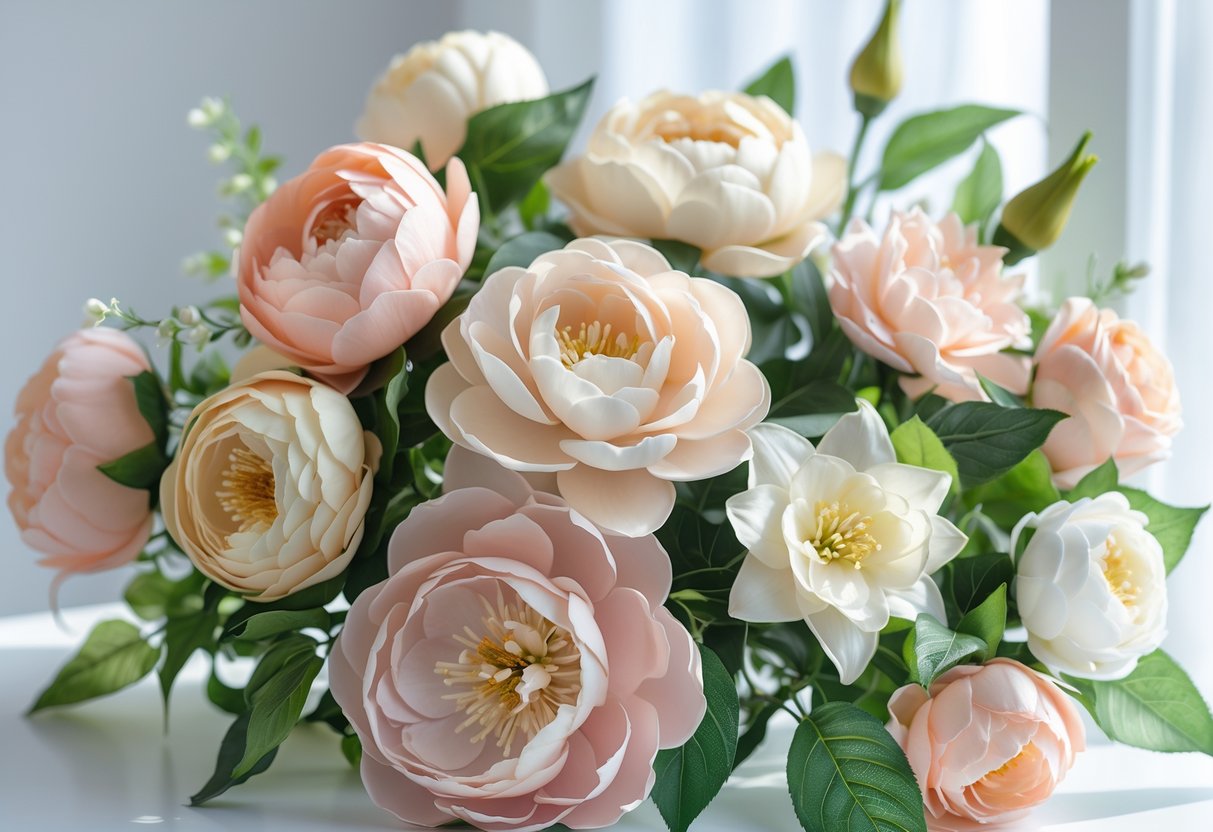
I focus on the tactile feel, colour fidelity, build quality and environmental considerations that make certain artificial blooms stand out. These elements determine how convincing the arrangement looks, how long it lasts and how responsibly it was produced.
Realistic Materials and Textures
I prioritise fabrics and polymers that mimic natural petal and leaf structure. Silk (or high-grade polyester satin) offers fine weave and a natural drape, while latex-coated petals give a soft, slightly translucent finish that catches light like real blooms. For stems and veins, flexible wire cores wrapped in textured paper or thermoplastic elastomer reproduce the stiffness and bend of real plant stems.
Construction matters: layered petals with frayed edges, printed vein details and matte finishes reduce the telltale uniform gloss of cheap plastic. I check for soft-touch leaves, varied thickness across petals, and tiny imperfections that mirror real growth patterns. These tactile cues are what make an artificial stem feel convincing when held.
Colour Accuracy and Longevity
I look for colour that matches botanical reality, not oversaturated tones. High-quality manufacturers use multiple dye methods: hand-dyeing for gradation, sprayed highlights for depth, and digital printing for precise vein and petal patterns. That produces subtle colour shifts from petal base to tip, mimicking natural pigments.
UV-stable dyes and protective coatings are essential for lasting colour. Indoors, lightfast pigments keep hues true for years; outdoors, UV inhibitors and fade-resistant polymers extend life. I avoid pieces with uniform single-tone colouring or obvious paint edges — those reveal low-quality production and will fade unevenly.
Durability and Lifespan
I expect robust construction that stands up to handling and cleaning. High-quality pieces use welded or securely glued joints, reinforced stems and corrosion-resistant internal wires. These features prevent sagging, petal detachment and stem collapse after repeated repositioning.
Maintenance-friendly finishes matter. Matte coatings resist dust adhesion; waterproof treatments allow gentle washing; removable parts (like wired leaves) let me reshape without damage. With these attributes, a well-made artificial arrangement delivers years of consistent appearance, far exceeding seasonal real flowers in practical lifespan.
Environmental Benefits
I consider the life-cycle impact when choosing artificial flowers. Durable, reusable artificial arrangements reduce repeated cut-flower transport, refrigeration and waste from single-use bouquets. Selecting stems made from recyclable plastics or natural wrapped wire and packaged with minimal, recyclable materials further reduces environmental footprint.
I also weigh manufacturing practices. Brands that disclose lower-VOC adhesives, water-based dyes and ethical sourcing of fabrics tend to have smaller environmental impacts. Buying higher-quality stems that last longer generally means fewer replacements and less total material consumed over time.
Types of High Quality Artificial Flowers
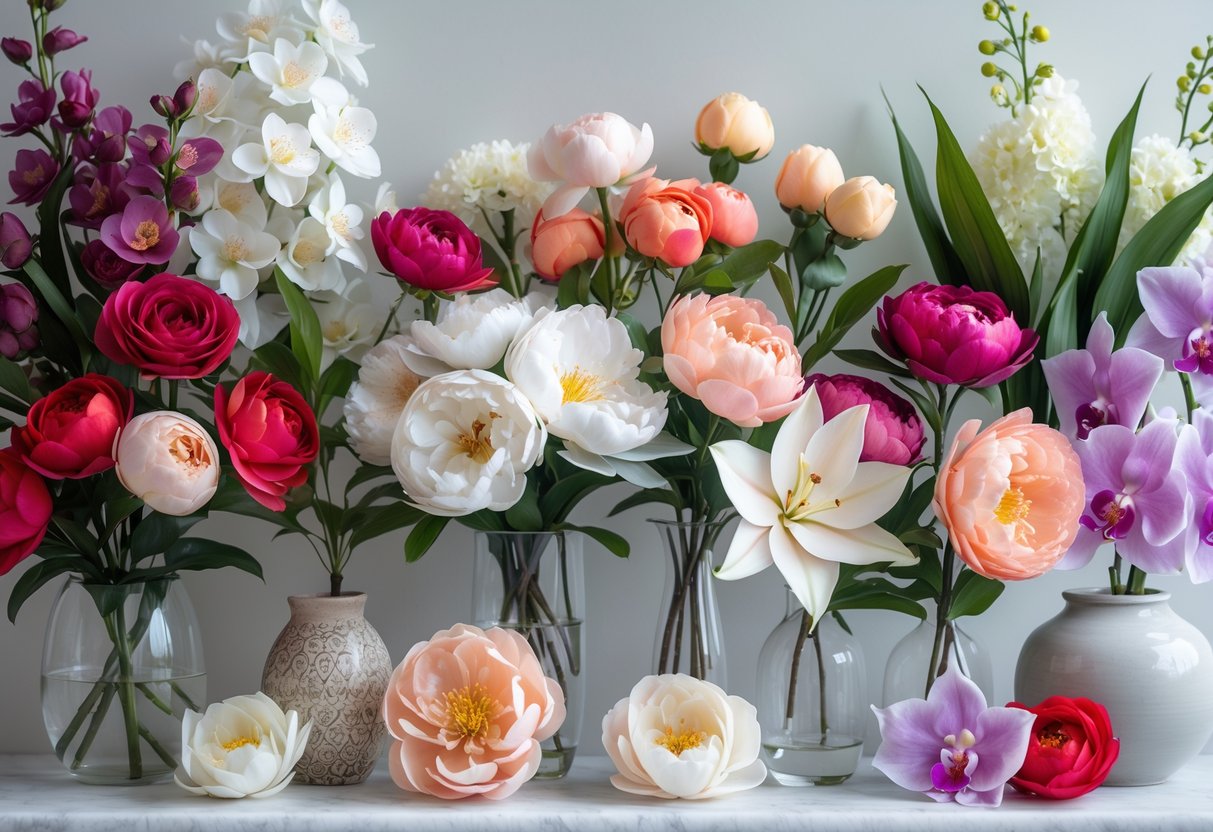
I look for materials, finishing detail and durability first. Colourfastness, realistic petal edges and sturdy stems tell me whether a stem will last and look convincing in real settings.
Silk Artificial Flowers
Silk stems offer the closest visual match to real blooms because manufacturers use fine woven fabrics with printed veins and layered petals. I prioritise mulberry silk or high-thread-count polyester blends; these hold dye well and resist fraying at cut edges. Look for wired petals and cloth-wrapped stems — they allow gentle shaping without exposing glue or bare wires.
Colour depth matters. Premium silk blooms use graduated dyeing and subtle speckling rather than flat, single-tone colour. These finishes reduce the “plastic” look and photograph well for events.
Maintenance is low: light dusting or a gentle steam refresh keeps them natural-looking. I avoid cheap silk that feels papery or has visible glue beads.
Latex Artificial Flowers
Latex flowers mimic the soft translucency and slight sheen of fresh petals because manufacturers coat fabric or mould silicone-like latex over forms. I value petals with variable thickness — thinner at the edges, thicker at the base — which creates natural light transmission and tactile softness.
Stems are often thicker and pre-shaped; this gives the arrangement weight and realistic droop. UV-stable latex options resist fading outdoors, so I pick those for verandahs or covered patios.
Latex requires gentler cleaning than silk. I use a damp cloth and mild detergent for stubborn dirt, then air-dry to preserve elasticity. Beware cheap latex that becomes tacky or cracks after temperature swings.
Foam Artificial Flowers
Foam flowers use soft polyurethane or EVA foam moulded into petal shapes for highly controlled textures. I choose foam when I need crisp petal edges, sculpted ruffles or lightweight bulk without fragile components. Foam holds its shape well, so large statement blooms—like peonies and roses—look full without heavy wiring.
Colour is typically airbrushed onto foam, allowing for realistic gradients and freckles. This method creates consistent, long-lasting finishes that resist flaking.
Cleaning is simple: a soft brush or compressed air removes dust. I avoid prolonged sun exposure unless the foam is rated UV-resistant, because some foams can yellow over time. When buying, I check joins and glue lines; neat assembly indicates better longevity.
Choosing the Best Artificial Flowers for Your Space
I focus on colour harmony, realistic textures and the right scale so arrangements look intentional rather than decorative afterthoughts. I also consider maintenance, placement and how often I’ll change the display.
Matching Colours With Décor
I start by sampling the main colours in the room—wall paint, large upholstery pieces and dominant artwork. I pick one dominant floral colour that complements those elements and one or two accent shades to echo cushions or throws.
If walls are neutral, I choose richer flower tones like deep peony pink or muted navy to add weight. For busy patterned fabrics, I stick to softer pastels or single-colour stems to avoid visual conflict.
I use a small swatch method: hold a flower stem next to the fabric or paint chip in natural light. That immediate comparison prevents clashing tones and ensures the faux bloom’s dye matches the room’s undertones.
Flower Type Selection
I select types that suit the room’s formality and scale. Hydrangeas and peonies read as lush and substantial for dining rooms, while eucalyptus and grasses work well in casual kitchens or bathrooms.
For small spaces like bedside tables, I choose compact blooms—mini roses or ranunculus—to avoid overpowering the surface.
Material matters: look for silk or polyurethane petals for realistic light reflection and latex for tactile realism. I also check stem flexibility and leaf density so the arrangement holds shape without looking sparse or overly staged.
Tips for Arranging Artificial Flowers
I build arrangements in three layers: structural stems (e.g. eucalyptus), focal blooms (e.g. peonies), and filler (e.g. baby’s breath). This creates depth and a natural silhouette.
Use varied stem lengths and cut stems at an angle for a more organic spread. Bend wires inside stems gently rather than forcing joints to keep leaves and blooms intact.
I recommend choosing vases proportional to the bunch—tall, narrow vases for vertical stems; wide, low vessels for round bouquets. For realism, mix a few dried botanicals or fresh greenery with faux flowers and dust leaves lightly with a soft brush instead of frequent cleaning.
Care and Maintenance Tips
I focus on keeping petals, leaves and stems dust‑free and shaped, and I store arrangements where temperature and light won’t cause fading or warping.
Cleaning Methods
I dust silk and fabric flowers weekly using a soft-bristle brush or a microfibre cloth to prevent buildup. For tight crevices I use a can of compressed air or a soft paintbrush to dislodge dust without bending stems.
If pieces are plastic or latex, I wash them gently in a sink of lukewarm water with a few drops of mild dish soap; I swish, rinse and pat dry with a towel, then air dry completely before reassembling. For delicate “real touch” fabrics I mix one part white vinegar to two parts water, test on an inconspicuous spot, then dab with a soft cloth and let air dry to remove residue without weakening fibres. Avoid soaking glued sections; instead spot-clean around joints.
I steam synthetic petals carefully from a distance to reshape wrinkles, holding the steamer 20–30 cm away and reshaping petals while still warm. I never use bleach or harsh chemicals because they strip colour and break adhesives.
Storage Solutions
I store off-season or spare arrangements in sturdy boxes lined with acid‑free tissue paper to protect colours and prevent creasing. I wrap individual blooms in tissue or bubble wrap and keep stems upright when possible to preserve shape and wired structure.
I label boxes with content and room placement so I retrieve the right arrangement without repeated handling. For long-term storage I keep boxes in a cool, dry place away from direct sunlight and high humidity; a cupboard or climate‑controlled storage is best. If I must store in an attic or garage, I raise boxes off concrete floors on pallets and include silica gel packets to control moisture.
Where to Buy High Quality Artificial Flowers in Australia
I focus on reliable retailers, detailed online shops and ways to support small makers so you can find lifelike stems that match your budget and style. Below I list practical options with direct links to examples of Australian businesses.
Local Retailers
I recommend visiting established florists and homewares stores to inspect texture, stem wiring and colour in person. Shops such as Silk by Design let you feel silk petals and test arrangements before buying; seeing the stems up close helps judge durability and repair options. Department stores and specialist artificial-flower shops in major cities (Sydney, Melbourne, Brisbane) often stock premium lines with realistic finishes and assembled bouquets ready to display. Ask staff about UV-resistant finishes for outdoor use and detachable heads for easy cleaning. If you need bulk or event quantities, call ahead to confirm stock and request a sample or swatch.
Online Stores
Online shops give the widest selection and let you compare styles, prices and customer reviews quickly. I often check larger Australian retailers like The Artificial Flower Co for lifelike silk arrangements and fast nationwide shipping. For wholesale ranges and specialty stems, Floral Craft lists professional-grade options suited to florists and designers. When buying online, read product dimensions, materials (real-touch, silk, polyester) and return policies carefully. Look for clear photos with close-ups, and consider ordering a single stem first to verify colour and texture before committing to large orders.
Supporting Local Artisans
I value buying from local makers because they offer bespoke arrangements and repairs that big retailers don’t. Small studios such as Secret Blooms create custom bouquets and wedding flowers with realistic components and can tailor stems to your palette and venue. Working directly with an artisan often lets you request unique mixes, preserved-flower additions or rental of arrangements for events. Expect higher per-piece costs but get personalised service, careful finishing and the option to commission pieces that match specific colour codes or design briefs. Contact artisans early for weddings — they book up months in advance.
Frequently Asked Questions
I cover practical checks for realism, common materials and care methods, outdoor suitability, arranging tips, and places to buy premium faux arrangements. Expect specific product cues, cleaning steps, and retailer types to help you choose and maintain high-quality artificial flowers.
How can I tell if artificial flowers look realistic?
Check petal edges and veins closely; realistic blooms have varied thickness, subtle fraying, and natural vein patterns rather than perfectly smooth, identical petals. Feel matters too — supple, slightly textured petals and a soft stem wrap usually indicate higher quality.
Hold the stem to test weight and flexibility. Heavier heads with wired stems that bend naturally are more convincing than hollow, rigid stems.
Colour variation should mimic nature. Look for graduated tones, slight imperfections, and non-uniform colour saturation instead of flat, uniform dye.
What materials are typically used to make top-notch faux blooms?
Silk and polyester blends create soft, drapey petals that catch light realistically. Modern “silk” often means finely woven synthetic fibres treated to mimic natural textures.
Latex and foam coatings add realistic suppleness and can give petals a matte, lifelike finish. These are common for premium roses and peonies.
Polyethylene and high-grade plastics form durable, detailed foliage and stems. They work well for outdoor or high-use pieces where resilience matters.
Are there any tips for maintaining artificial flowers in pristine condition?
Dust gently every 1–2 weeks with a soft brush or a microfiber cloth to prevent buildup. For delicate petals, use low-power compressed air from a hairdryer on cool setting.
Deep-clean every few months by rinsing silk and synthetic blooms in lukewarm water with a small amount of mild detergent, then air-dry on a towel. Avoid soaking wired stems to prevent rust.
Store arrangements in breathable boxes away from direct sunlight and humidity to prevent fading and mould. Use acid-free tissue between layers to protect petals and shapes.
Can artificial flowers be suitable for outdoor use?
Only some artificial flowers are made for outdoors; look for UV-stabilised materials and fade-resistant dyes. Retailers usually label products as “outdoor” or “UV-treated” when they meet these standards.
Position outdoor faux blooms in shaded or semi-protected areas to extend colour life. Expect eventual fading even with UV protection; replace or refresh after 2–5 seasons depending on exposure.
What’s the best way to arrange artificial flowers for a natural appearance?
Start with a well-shaped, weighted container and place foliage first to build a natural framework. Use varied stem heights and angles to avoid a symmetrical, “store-bought” look.
Cluster flowers in uneven groups of 3–5 and add small filler stems for depth. Trim stems and bend wired stems subtly to create natural curves.
Finish by stepping back and viewing from multiple angles; make small adjustments to gaps and overlaps until the silhouette reads organic.
Where can I find premium artificial floral arrangements for special occasions?
Specialist faux-flower retailers and wedding hire companies offer high-end, botanically accurate arrangements suited to events. Seaholly Flowers publishes helpful FAQs about event hire and sales that can guide selection and booking choices: Seaholly Flowers FAQs (https://seaholly.com.au/pages/faqs).
Luxury florists and studios often sell bespoke arrangements and rental services for weddings and corporate events. Check product pages for material details, UV treatment, and hire policies before you book.
Online boutiques focused on realistic blooms provide detailed photos and care instructions; compare customer photos and reviews to assess lifelike quality before purchasing.