
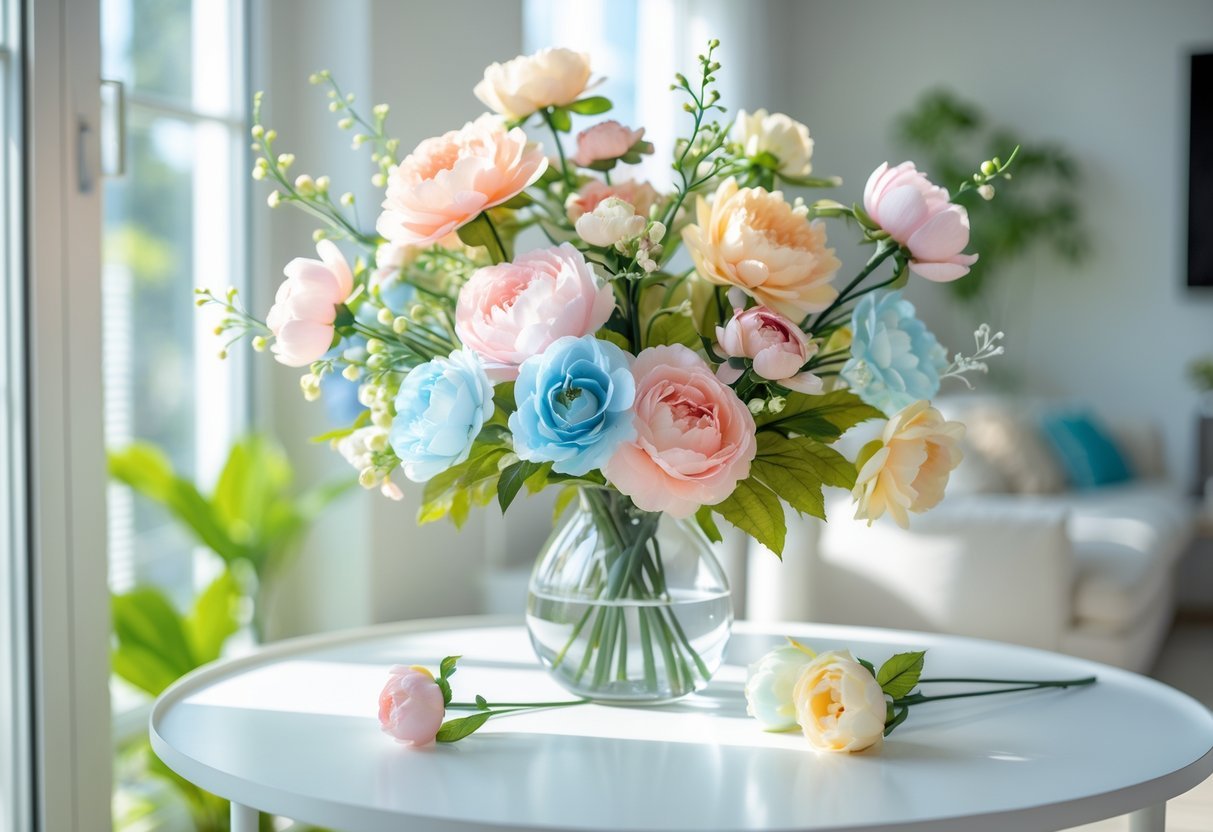
Artificial flowers have transformed from obvious fakes into remarkably realistic decorative pieces that can enhance any space without the maintenance requirements of living plants. These long-lasting blooms offer a practical solution for people with allergies, busy schedules, or spaces with limited natural light, while delivering the visual appeal of fresh flowers year-round. Whether you’re decorating your home, planning an event, or looking for a thoughtful gift, artificial flowers provide versatility that fresh blooms simply can’t match.
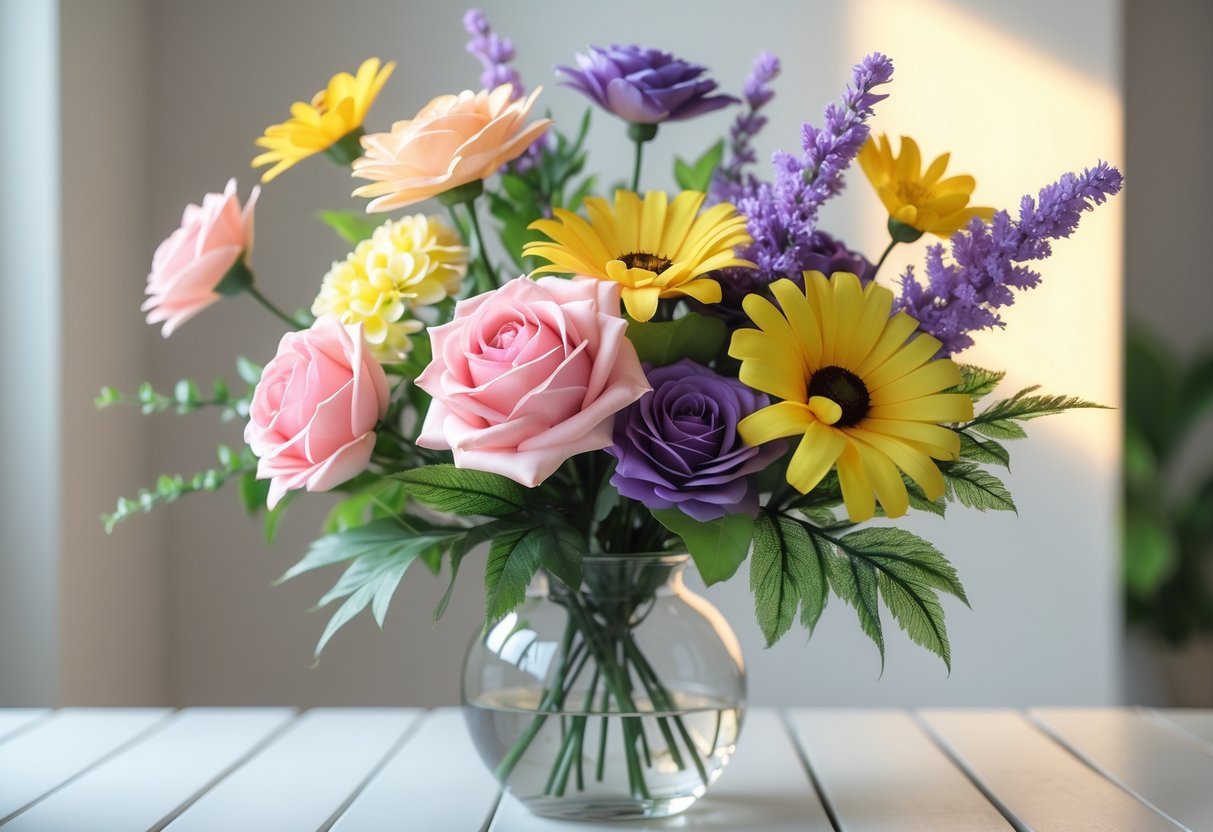
I’ve watched the artificial flower industry evolve significantly over recent years, with Australia’s most realistic artificial flowers now featuring intricate details and natural textures that make them nearly indistinguishable from the real thing. The market has expanded beyond basic silk flowers to include premium materials and innovative designs that cater to modern aesthetic preferences. From realistic artificial flower arrangements to individual stems, the options available today suit every style and budget.
The rise of quality artificial florals means you no longer need to compromise between beauty and practicality. Artificial flowers and plants can transform your living space into a constantly blooming environment without wilting, watering, or replacing every few days.
Key Takeaways
- Artificial flowers provide realistic, low-maintenance alternatives to fresh blooms that suit various decorating needs and lifestyles
- Modern artificial florals use advanced materials and techniques to create lifelike appearances that enhance homes and events
- Shopping for artificial flowers in Australia offers access to diverse styles, from luxury arrangements to budget-friendly options
What Are Artificial Flowers?
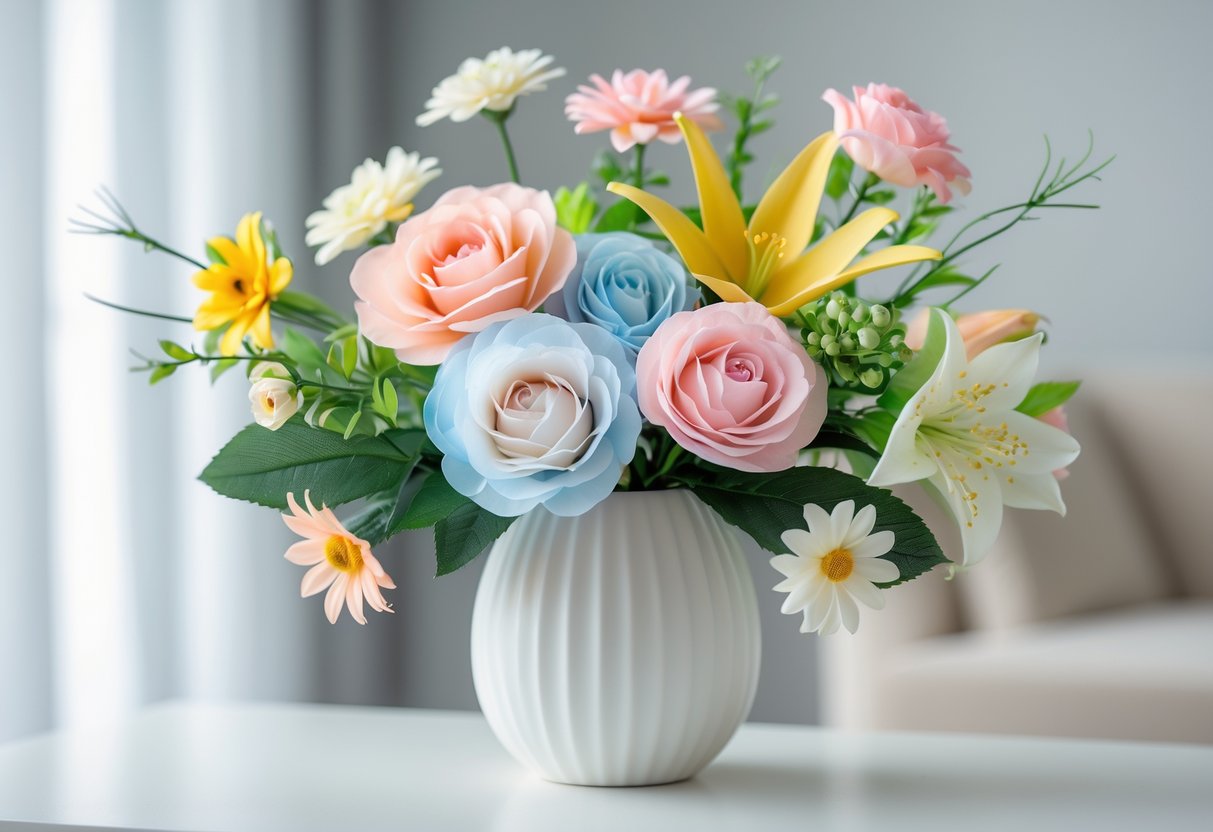
Artificial flowers are manufactured replicas of natural blooms designed to mimic the appearance of fresh flowers without requiring water, sunlight, or ongoing care. These decorative alternatives range from budget-friendly mass-produced versions to premium lifelike arrangements that closely resemble their living counterparts.
Materials Used in Artificial Flowers
I’ve found that artificial flowers are crafted from various materials, each offering different qualities and price points. The most common materials include:
Polyester and Silk Fabrics: Despite the term “silk flowers” being widely used, most fabric-based artificial flowers today are made from polyester rather than genuine silk. These materials allow for soft, pliable petals that drape naturally.
Plastic and Polyethylene: These synthetic materials work well for creating sturdy stems, leaves, and certain flower varieties. Plastic options tend to be more affordable and weather-resistant for outdoor use.
Foam and Latex: I’ve noticed that foam provides a unique texture for roses and peonies, while latex creates realistic thickness in petals and leaves. Real-touch flowers often incorporate latex or rubber coatings to achieve their distinctive feel.
Paper and Fabric Blends: Some artisan arrangements use crepe paper or mixed-media approaches for vintage or artistic styles.
The quality of materials directly impacts durability, appearance, and price, with premium options featuring multiple material types in a single stem.
Types of Artificial Flowers
The variety of artificial flowers available today suits different decorating needs and preferences. Here are the main categories I recommend considering:
Silk Flowers: Though typically made from polyester, these remain the most popular choice for weddings and formal events. They offer vibrant colours and elegant draping qualities.
Plastic Flowers: Budget-friendly and weather-resistant, these work brilliantly for outdoor displays and high-traffic commercial spaces.
Dried-Look Artificial Flowers: These replicate the appearance of preserved or dried botanicals, perfect for rustic or bohemian décor schemes.
Artificial Orchids and Roses: These remain amongst the most sought-after varieties due to their popularity in home décor and special occasions.
Artificial botanicals have grown immensely in popularity partly because they’re allergy-free and require no maintenance beyond occasional dusting.
Real-Touch Artificial Flowers vs Other Types
Real-touch artificial flowers represent the premium end of the artificial flower market. I’ve noticed these sophisticated replicas feature special coatings or materials that create a soft, velvety texture remarkably similar to fresh petals.
The key differences include:
Texture and Feel: Real-touch flowers incorporate latex, rubber, or specialised foam coatings that give petals a natural suppleness. Standard artificial flowers feel distinctly synthetic to touch.
Visual Realism: Real-touch varieties often display colour variations, imperfections, and natural-looking veining that mirror fresh flowers more convincingly.
Price Point: Real-touch options cost significantly more than traditional silk or plastic flowers due to their superior materials and manufacturing processes.
Durability: Whilst real-touch flowers look incredibly realistic, their delicate coatings may be more susceptible to damage from handling or direct sunlight compared to standard plastic varieties.
For wedding bouquets and bridesmaids’ arrangements, I find real-touch flowers provide the most authentic appearance in photographs and close-up viewing situations.
Benefits of Choosing Artificial Flowers
Artificial flowers offer practical advantages that make them an appealing choice for home décor and special occasions. They last for years without wilting, require no watering or upkeep, and provide a beautiful alternative for those with pollen sensitivities.
Longevity and Durability
One of the most compelling reasons I recommend artificial flowers is their remarkable lifespan. Unlike fresh blooms that wilt within a week, high-quality artificial flowers remain beautifully intact for years without fading or drooping. This longevity translates to significant cost savings over time since I’m not replacing bouquets every few weeks.
Forever florals maintain their crisp appearance regardless of temperature, humidity, or sunlight exposure. I can display them in areas where real flowers would struggle, such as dimly lit corners or sunny windowsills. The materials used in modern artificial flowers resist fading and damage, ensuring my investment continues to look fresh season after season.
Maintenance-Free Blooms
Artificial flowers eliminate the daily tasks associated with fresh flowers. I never need to water them, trim stems, or worry about drooping petals creating a mess. There’s no need to change vase water or remove dying blooms.
These maintenance-free arrangements suit busy lifestyles perfectly. I can travel for weeks without returning to wilted arrangements or brown water. A simple dusting every few months keeps them looking pristine. This convenience extends to outdoor displays as well, where artificial flowers withstand weather conditions that would destroy real blooms.
Allergy-Friendly Options
For anyone sensitive to pollen, artificial flowers provide a welcome solution. They contain no pollen or strong fragrances that trigger hay fever symptoms or allergic reactions. I can enjoy the visual beauty of blooms without sneezing or watery eyes.
This makes artificial flowers ideal for hosting guests who may have sensitivities. Medical facilities, offices, and homes with allergy sufferers benefit from displays that won’t compromise air quality or comfort. Children and pets can be near arrangements without risk of pollen exposure or toxic plant ingestion.
Decorating with Artificial Flowers
Artificial flowers transform spaces through strategic placement on furniture, thoughtful vase selection, and pairing with complementary elements like candles that enhance their visual impact.
Enhancing Home Decor
I’ve found that artificial flowers bring lasting charm to any room without the maintenance requirements of fresh blooms. They work particularly well in areas where natural light is limited or where regular watering isn’t practical.
A simple arrangement on my coffee table instantly changes the mood of my living space. I place colourful bunches in entryways to create welcoming first impressions for guests.
For vertical interest, I use floral wall hangings or macramé plant hangers filled with artificial vines. These additions draw the eye upward and make rooms feel more spacious. I’ve noticed that mixing different textures and colours helps artificial flowers blend naturally with various interior styles, from modern minimalist to classic traditional aesthetics.
Incorporating Artificial Flowers with Furniture
I position artificial flower arrangements strategically on my furniture to create focal points throughout my home. Side tables and console tables work brilliantly for displaying medium-sized arrangements that don’t obstruct conversation or movement.
My dining table benefits from a low, wide arrangement that allows guests to see each other across the table. I keep arrangements proportional to the furniture—a small posy suits a narrow shelf whilst a larger display works on a substantial sideboard.
Bookshelves become more inviting when I tuck small artificial stems between books or place compact arrangements on different levels. I’ve learned that combining artificial flowers with furniture creates cohesion when I repeat colours that appear in my upholstery or cushions. My bedroom dresser holds a delicate arrangement that adds softness without cluttering the space where I need functional surface area.
Styling with Vases and Foliage
The right vase makes all the difference in how my artificial flowers appear. I use colourful glass vases to add another design layer, especially when they complement or contrast with the blooms themselves.
Clear glass works universally, but I’ve found that textured or coloured vessels can elevate simple arrangements into statement pieces. My vase height typically measures about half to two-thirds the height of the flowers for balanced proportions.
Mixing artificial flowers with greenery like ferns and eucalyptus creates depth and realism. I combine delicate roses with lush foliage to achieve a textured, natural look that mimics garden-fresh bouquets. Trailing foliage works beautifully cascading from tall vases on my mantelpiece, whilst compact arrangements with tight foliage suit smaller spaces.
I group vases of varying heights together for visual interest, ensuring each arrangement gets its moment without competing.
Complementary Decor: Candles and Diffusers
I pair my artificial flower displays with candles to create ambiance that appeals to multiple senses. Pillar candles in varying heights alongside floral arrangements add warmth and dimension to my tablescape designs.
Tea lights scattered around a centrepiece create an intimate atmosphere for evening gatherings. I ensure candles are positioned safely away from any artificial petals or leaves to prevent heat damage.
Reed diffusers complement artificial flowers by adding fragrance that fresh blooms would naturally provide. I place diffusers near my faux arrangements so visitors experience both visual beauty and pleasant scents. Matching the diffuser fragrance to the flower type—lavender scent with artificial lavender stems, for example—creates a more immersive sensory experience in my home decor.
Creative Uses for Artificial Flowers
Artificial flowers work beautifully for weddings, thoughtful gifts, and various art projects that let you express creativity without worrying about wilting or maintenance.
Weddings and Special Events
I’ve found that artificial flowers are increasingly popular for weddings because they maintain their appearance throughout the entire day. They won’t wilt in heat or droop during long ceremonies, which means your bouquet looks fresh from the first photo to the last dance.
Key advantages for events include:
- Budget control – You can purchase arrangements months in advance during sales
- Keepsake value – Brides can preserve their bouquets permanently without drying
- Allergy-friendly – No pollen means comfortable guests and wedding parties
- Destination weddings – Easy transport without customs issues or refrigeration
Centrepieces made from artificial flower arrangements enhance business environments and event planning with their realistic appearance and durability. I recommend ordering samples first to check quality, as not all artificial blooms photograph equally well. Higher-end silk or latex flowers often look more realistic in wedding photos than cheaper plastic varieties.
Gifting Artificial Flowers
Artificial flowers make thoughtful gifts that last far beyond fresh bouquets. I particularly appreciate them for recipients who travel frequently, lack time for plant care, or live in spaces without adequate natural light.
They’re especially meaningful for hospital patients who can’t have fresh flowers due to allergy restrictions or facility policies. The recipient gets to enjoy colourful blooms without any maintenance burden during recovery.
For Mother’s Day or birthdays, I’ve created custom arrangements matching the recipient’s favourite colours or home décor. Since artificial flowers are hypoallergenic and versatile for décor, they suit anyone’s living situation.
Pairing artificial flowers with a decorative vase creates a complete gift set. I often add a personal note explaining that the arrangement will provide lasting beauty, which adds sentimental value beyond typical gifts.
Floral Art and DIY Projects
Artificial flower craft ideas offer creative ways to decorate homes without dealing with maintenance. I’ve used faux blooms for wreaths, wall art, hair accessories, and even jewellery projects.
Popular DIY projects:
| Project Type | Difficulty | Materials Needed |
|---|---|---|
| Floral wreaths | Beginner | Wire frame, hot glue, stems |
| Shadow box art | Intermediate | Deep frame, backing, adhesive |
| Hair clips | Beginner | Small blooms, clip bases, glue |
| Resin coasters | Advanced | Resin, moulds, petals |
I’ve created framed pressed flower art by disassembling artificial blooms and arranging individual petals behind glass. This technique gives the aesthetic of traditional pressed flowers without the fading or brittleness.
For seasonal décor, I swap out arrangements rather than buying new ones each year. Faux blooms let you experiment endlessly with different combinations since you can reuse stems across multiple projects.
Shopping for Artificial Flowers in Australia
When shopping for artificial flowers in Australia, I find that staying updated on the latest designs, understanding quality indicators, and exploring gifting options helps me make informed purchasing decisions.
New Arrivals and Popular Trends
I’ve noticed that artificial flower retailers in Australia regularly update their collections with new arrivals that reflect seasonal changes and contemporary interior design trends. Currently, realistic peonies, cherry blossoms, and native Australian flora replicas are particularly popular amongst shoppers.
Many online stores feature dedicated new arrivals sections where I can browse the latest additions before they become widely available. These fresh designs often incorporate improved manufacturing techniques that create more lifelike textures and colours.
Trending styles in 2026 include mixed bouquets with eucalyptus, banksia, and wattle, which celebrate Australian native plants. I’ve also observed growing demand for minimalist arrangements in neutral tones that complement modern home décor.
Selecting Quality Products
When I’m evaluating realistic artificial flowers, I look for several key indicators that distinguish premium products from lower-quality alternatives. High-quality artificial flowers feature realistic colour gradients, natural-looking imperfections, and appropriate weight that mimics fresh blooms.
The best faux flowers use materials like silk, real-touch latex, or high-grade polyester rather than cheap plastics. I check whether petals have varied thickness, natural veining, and subtle colour variations that replicate nature.
Stem construction matters significantly for longevity and versatility. Quality stems include internal wire that allows for positioning adjustments whilst maintaining shape over time. I also examine how petals attach to the stem, as secure connections prevent premature wear.
Gift Cards and Personalised Options
Many Australian artificial flower shops offer gift cards that provide flexibility when I’m unsure about specific preferences or colour schemes. These gift cards typically come in various denominations and can be delivered electronically or as physical cards.
Gift cards work particularly well for weddings, housewarmings, or corporate gifts where the recipient might want to choose arrangements that match their existing décor. I appreciate that most retailers allow gift card redemption both online and in-store.
Some suppliers also provide personalised options such as custom colour combinations, bespoke arrangements, or monogrammed vases. These services let me create unique pieces that reflect individual tastes whilst maintaining the convenience and longevity of artificial flowers.
Frequently Asked Questions
I’ve found that proper cleaning methods, quality indicators, and styling techniques can make all the difference in maintaining beautiful artificial flowers that rival fresh blooms for years to come.
What’s the best way to clean fake flower arrangements?
I recommend dusting artificial flowers regularly with a soft microfibre cloth or feather duster to prevent buildup. For deeper cleaning, I gently wipe each petal and leaf with a slightly damp cloth, being careful not to oversaturate the materials.
If your faux flowers are particularly dusty, I’ve had success using a hairdryer on the cool setting to blow away debris from hard-to-reach areas. Some silk flowers can tolerate a quick rinse under cool running water, but I always test a small hidden area first to ensure the colours won’t run or the materials won’t be damaged.
How can I tell if a silk flower is good quality?
I look for weight and texture as my first indicators of quality. High-quality artificial flowers feel substantial in my hand and feature petals with varied thickness and natural-looking veining.
The colour gradients are crucial. I check whether petals show subtle colour transitions from darker bases to lighter tips, just like real flowers do. Quality artificial flowers often use multiple shades within a single petal.
I also examine the stems and leaves closely. Premium faux flowers have wire-reinforced stems that allow for realistic bending and positioning, whilst the leaves should show natural imperfections rather than appearing too perfect.
Are there environmentally friendly options for faux flowers?
I’ve noticed more manufacturers now offering artificial flowers made from recycled materials and sustainable fabrics. Some companies produce faux flowers using biodegradable materials or recycled plastics, which reduces environmental impact.
The longevity of artificial flowers themselves can be considered environmentally friendly. Since I can reuse quality faux arrangements for years, I’m not contributing to the waste generated by frequently disposing of wilted fresh flowers.
I recommend researching brands that prioritise sustainable production methods and transparent sourcing. Some Australian suppliers focus on working with ethical manufacturers who use eco-conscious materials.
Can artificial floral arrangements look as good as fresh ones?
I’ve seen modern artificial flowers that are incredibly realistic and often fool people into thinking they’re real. The quality of today’s faux flowers, particularly real touch and fresh touch varieties, has improved dramatically over the past decade.
The key advantage I’ve found is consistency. Whilst fresh flowers wilt and change appearance within days, my artificial arrangements maintain their peak beauty indefinitely. This makes them ideal for events, photography, and spaces where I want reliable, long-lasting colour.
However, I do acknowledge that fresh flowers offer natural fragrance and subtle variations that are difficult to replicate perfectly. The choice depends on my priorities for each specific situation.
How do I choose the right vase for my artificial flowers?
I start by considering the proportion between the arrangement height and vase size. My general rule is that the flowers should be roughly one and a half to two times the height of the vase for balanced visual appeal.
The vaux style matters as much as size. I match modern, sleek arrangements with contemporary glass or ceramic vases, whilst I pair cottage-style blooms with rustic containers or vintage vessels.
I often add decorative elements inside clear vases to hide stem ends and create realism. Faux water, acrylic crystals, river stones, or moss work brilliantly for this purpose and add visual interest from all angles.
What are some tips for arranging synthetic flowers to make them appear more lifelike?
I always bend and shape the stems and leaves before arranging them. Real flowers never grow perfectly straight, so I create subtle curves and varied angles to mimic natural growth patterns.
Mixing different flower types, bud stages, and foliage creates depth and authenticity. I include fully opened blooms alongside buds and half-opened flowers, just as they’d appear in nature or a fresh arrangement.
I avoid symmetry when positioning flowers. Instead, I create triangular compositions with focal points at different heights and depths. Adding texture through varied leaf shapes and sizes also helps my arrangements look more organic.
Leaving some negative space is crucial. I resist the urge to overcrowd the vase, as this can make the arrangement appear obviously artificial and heavy rather than natural and airy.