
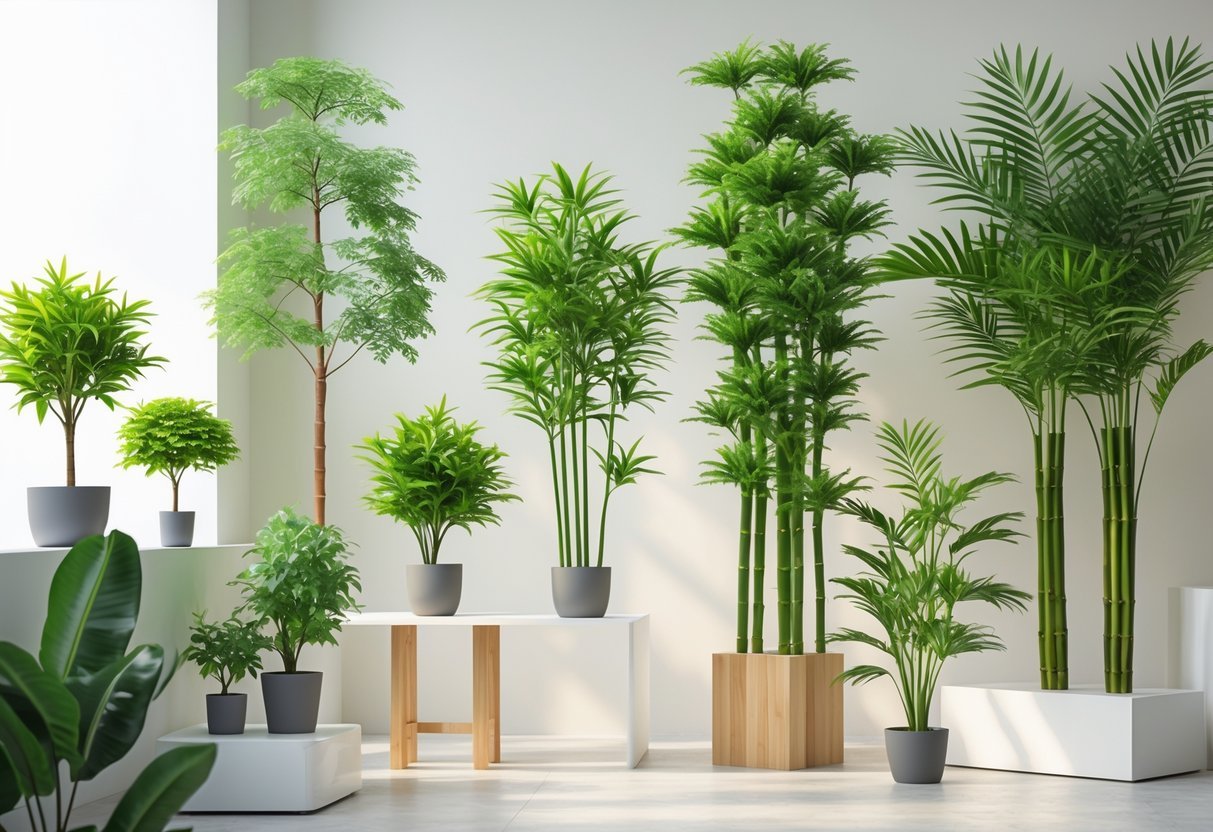
Cheap artificial trees give you the look of real greenery without the cost, mess, or ongoing care, and I’ll show you how to get that look for less.
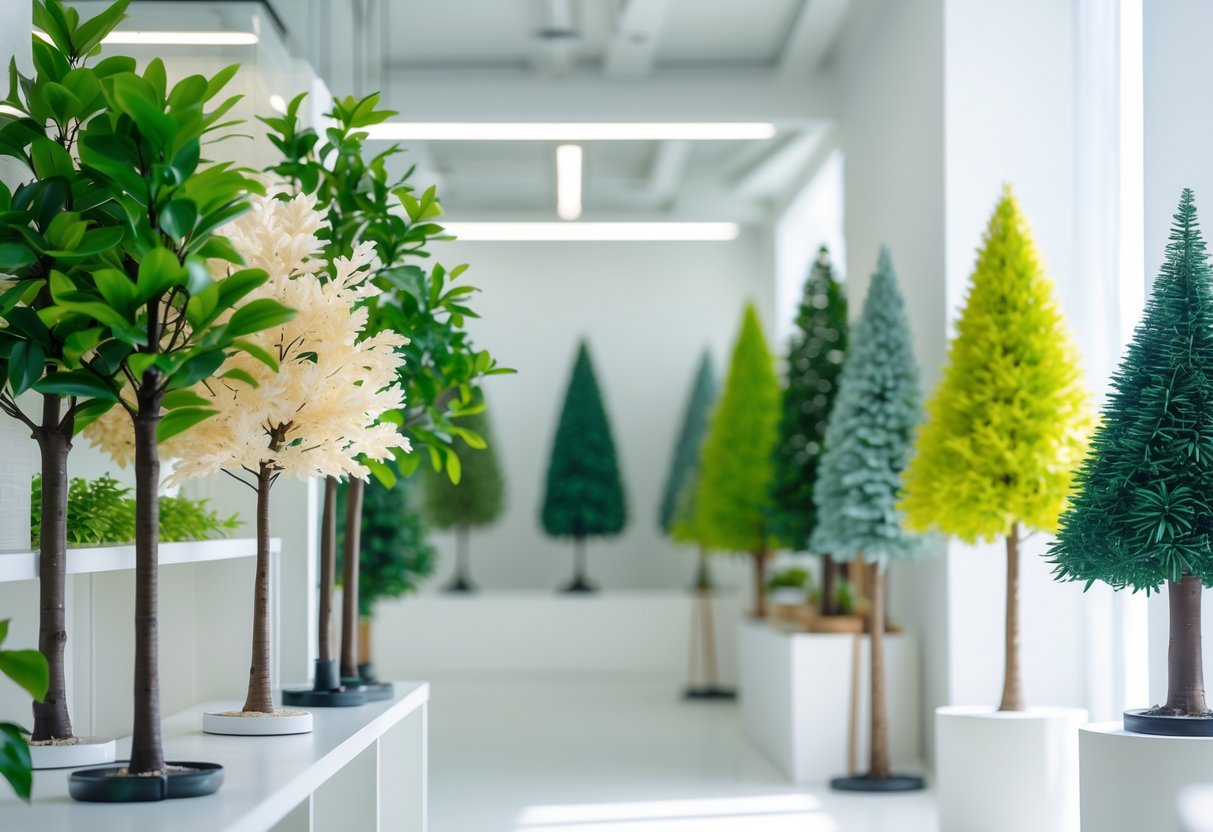
If you want to refresh a space on a tight budget, cheap artificial trees offer a simple solution. You avoid watering, sunlight, and leaf drop, while still adding height, texture, and colour to your home or workspace.
I focus on how you can spot affordable artificial trees that still look realistic, last longer, and fit your space without overspending. I’ll also share what actually matters when choosing styles, sizes, and sellers, so you feel confident before you buy.
Key Takeaways
- Cheap artificial trees can look realistic when you know what details to check
- Smart choices help you save money without sacrificing appearance
- Planning ahead avoids delivery issues and poor-quality purchases
Why Choose Cheap Artificial Trees
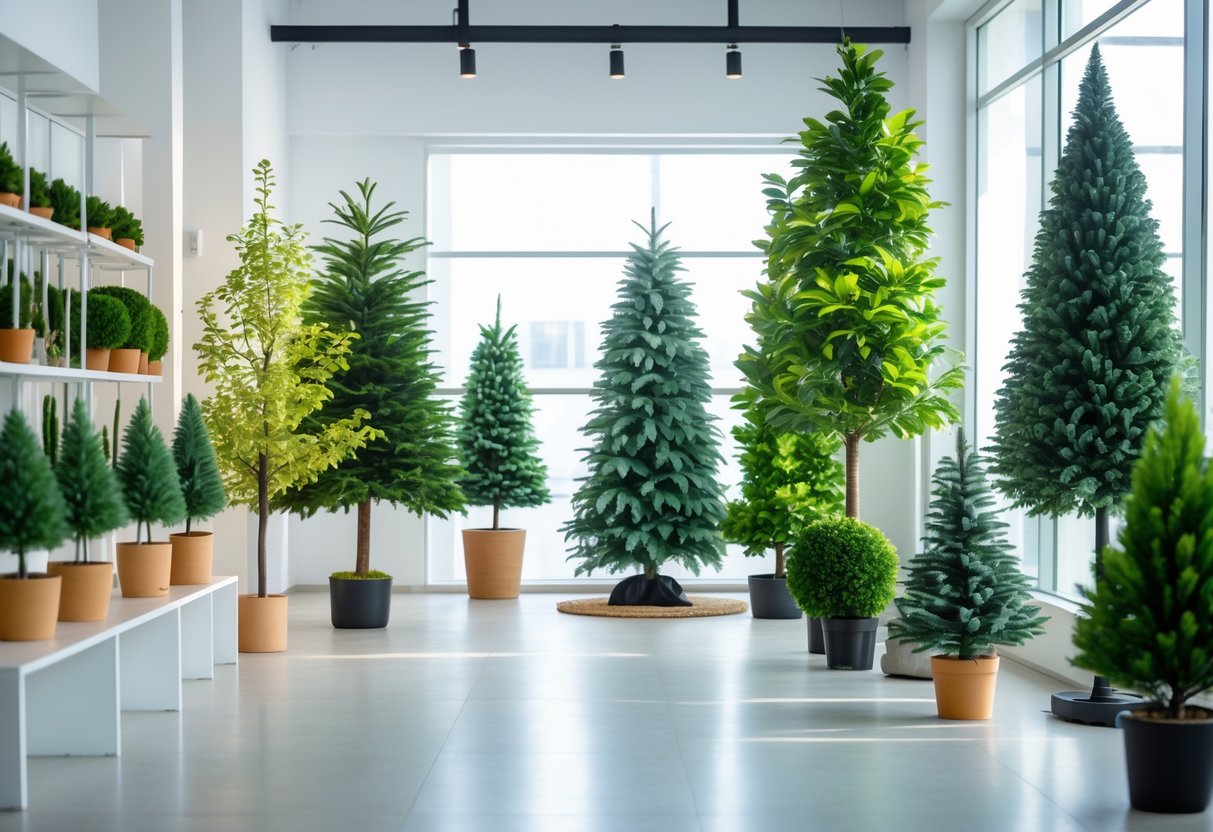
I choose cheap artificial trees because they deliver predictable results without ongoing effort. They solve common problems like maintenance, weather damage, and replacement costs while still supporting practical design goals indoors and outdoors.
Advantages Over Real Trees
I often recommend artificial trees when reliability matters more than growth or seasonal change. Faux trees keep the same shape and colour all year, which helps maintain a consistent look in homes, offices, and outdoor settings.
Real trees need sunlight, water, pruning, and pest control. In contrast, fake trees avoid these issues entirely, and many options now look convincing enough for everyday spaces. For outdoor use, some models handle heat, wind, and rain better than live plants, especially in harsh Australian conditions, as shown in comparisons of artificial trees vs real plants for outdoor use.
I also see artificial plants used where real trees simply fail, such as shaded interiors or high-traffic commercial areas.
Quick comparison
| Feature | Real Trees | Artificial Trees |
|---|---|---|
| Watering | Required | Not needed |
| Seasonal change | Yes | No |
| Placement limits | High | Low |
| Predictable appearance | No | Yes |
Long-Term Cost Savings
I look beyond the upfront price when comparing options. Cheap artificial trees often cost less over time because they avoid repeat expenses tied to real trees.
Live trees bring ongoing costs such as soil, fertiliser, replacement plants, and professional care. Artificial trees involve a single purchase, and many last for years without visual decline. Price ranges vary widely, but even basic models can deliver value compared to repeated spending on live greenery, as outlined in discussions about artificial tree pricing and durability.
I also factor in time. Reduced maintenance lowers labour costs for businesses and frees up time at home, which adds practical value beyond dollars.
Low-Maintenance Benefits
I often suggest artificial trees to people who want greenery without responsibility. They suit busy households, rentals, and workplaces where plant care gets overlooked.
Most faux trees need only occasional dusting or rinsing. They do not attract insects, drop leaves, or trigger watering issues on floors and furniture. Modern designs have improved materials and finishes, which supports their role in low-maintenance home decor, a shift highlighted in trends around artificial plants for easy-care interiors.
For me, the biggest benefit stays simple: artificial trees let me enjoy greenery without building routines around it.
Popular Types of Budget-Friendly Faux Trees
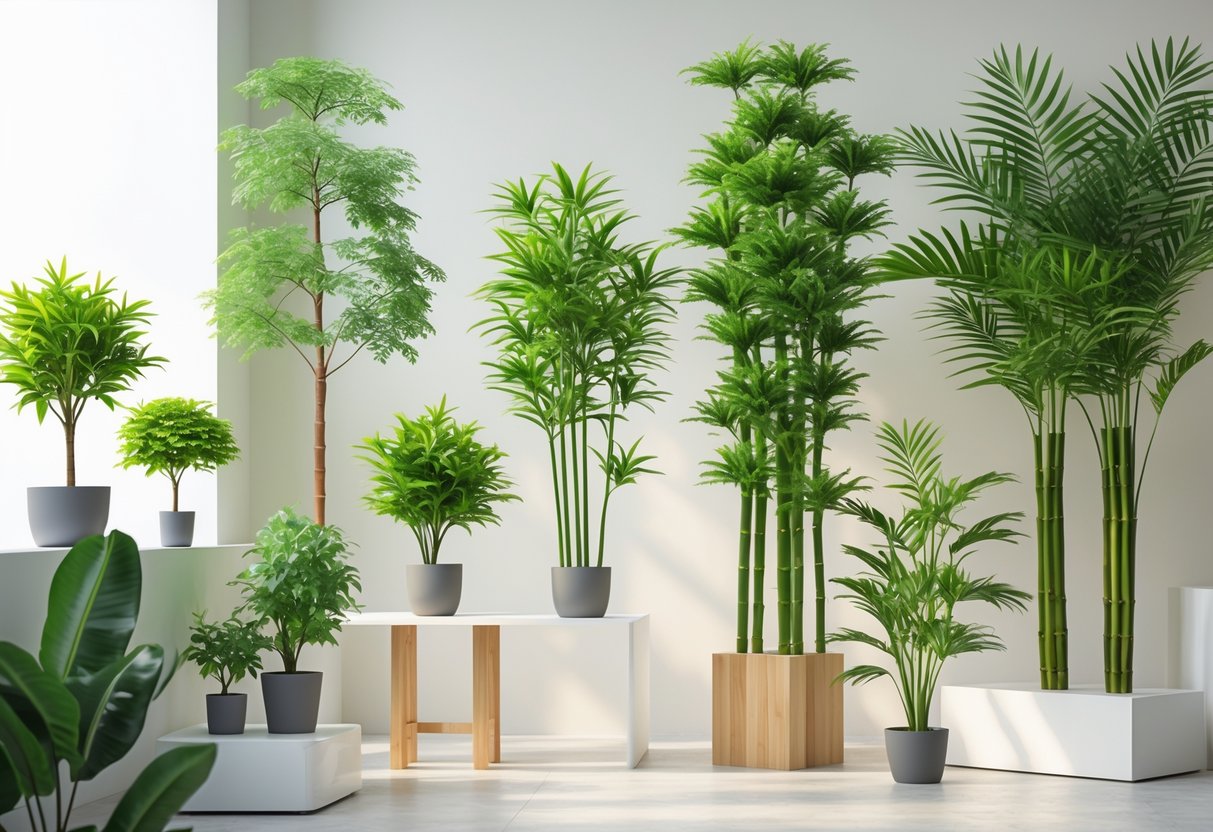
When I shop for cheap artificial trees, I focus on realistic detailing, the right size for the space, and materials that last without extra care. Price matters, but so does choosing faux trees that look convincing indoors and hold up outdoors.
Lifelike Varieties
I often recommend lifelike artificial trees with textured leaves and natural colour variation because they age better visually. Many budget-friendly fake trees now use mixed plastics and fabric blends to soften the shine.
Popular options include artificial olive trees, fiddle leaf figs, and bamboo styles. These designs appear frequently in affordable ranges because they use repeatable leaf patterns without complex branching. I see this approach used well in collections of realistic artificial trees for home and office styling.
When I compare prices, I check trunk construction first. Moulded resin or wrapped timber trunks usually look better than plain plastic, even at lower price points.
Best Choices for Indoors
For indoor spaces, I look for artificial plants that stay proportional and don’t overwhelm the room. Smaller faux trees work well in apartments, home offices, and bedrooms.
Common indoor-friendly choices include:
- Compact ficus or rubber trees
- Slim palm-style artificial trees
- Small decorative topiary shapes
I also prioritise stable pots and neutral bases that suit most interiors. Retailers specialising in small artificial trees for indoor décor tend to focus on these details while keeping costs down.
I avoid indoor faux trees with heavy UV coatings, as they add cost without benefit inside.
Suitable Options for Outdoors
Outdoor artificial trees need tougher materials, even when I’m buying on a budget. UV-treated leaves and weather-resistant trunks prevent fading and cracking over time.
I usually suggest:
- Artificial bamboo for balconies
- Faux olive or ficus trees for patios
- Tall artificial trees for screening
Many affordable outdoor options now include UV protection as standard. I’ve found consistent quality among ranges offering indoor and outdoor artificial trees designed for durability.
I still place outdoor fake trees in sheltered areas where possible. That small step helps budget-friendly artificial trees last longer and look cleaner.
How to Select Quality Cheap Artificial Trees
I look for affordable artificial trees that balance price, appearance, and lifespan. Small details like materials, branch structure, and sizing matter more than brand names. When I focus on these points, cheap faux trees can still look appropriate in everyday spaces.
Key Features to Look For
When I shop for cheap artificial trees, I start with materials. PE (polyethylene) foliage usually looks and feels more realistic than basic PVC, even at lower price points. Some budget fake trees mix PE tips with PVC filler, which helps control cost without sacrificing appearance.
I also check branch construction. Hinged or well-wired branches hold their shape better and reduce gaps once styled. A quick checklist helps me decide:
- Trunk: Solid plastic or real wood with visible texture
- Leaves: Mixed sizes and tones, not flat or glossy
- Base: Weighted pot that feels stable on the floor
Guides like this overview on choosing the right artificial tree by material and use reinforce why these features matter, even in cheaper options.
Assessing Realism and Durability
I judge realism by how the tree looks from normal viewing distance, not close inspection. Cheap faux trees often look fine from one to two metres away if the proportions feel natural. Uneven branch spacing usually signals better design than perfectly symmetrical shapes.
Durability matters if I plan to move the tree or keep it long term. I gently bend branches to see if they spring back. Leaves should feel securely attached and not shed with light handling.
For indoor use, I avoid ultra-thin foliage that creases easily. Buying guides that focus on material quality and branch density, like this one on how to choose fake trees for realism and value, align with what I test in person.
Size and Placement Considerations
I always measure the space before choosing a cheap artificial tree. Height alone doesn’t tell the full story; width and canopy spread affect how crowded the area feels. Slim or pencil-style fake trees work better in tight rooms or corners.
I also match tree type to location. For example:
| Space | Tree Style I Choose |
|---|---|
| Small living room | Slim ficus or olive |
| Entryway | Medium-height palm |
| Office corner | Narrow eucalyptus |
Light levels matter too. Artificial trees placed near windows look more convincing because natural light softens plastic textures. When placement fits the space, even budget artificial trees feel intentional rather than temporary.
Saving Money on Your Faux Tree Purchase
I focus on three practical ways to reduce the cost of cheap artificial trees without sacrificing appearance. Smart retailer choice, careful online shopping, and bulk options all make a measurable difference to the final price.
Where to Find the Best Deals
I start with retailers that specialise in artificial trees rather than general homewares stores. These sellers usually carry wider ranges and sharper pricing. Dedicated suppliers like artificial tree specialists in Australia often discount older styles or excess stock.
I also check clearance and end‑of‑season sales. Faux trees tied to interior trends, such as olive or bamboo styles, tend to drop in price when demand slows.
Local showrooms can offer savings too. Some wholesalers allow public access or click-and-collect options, which helps avoid delivery fees on larger fake trees.
What I check first:
- Sale and clearance sections
- Display or ex‑demo models
- In‑store pickup discounts
Tips for Shopping Online
When I shop online, I compare prices across multiple sellers before buying. Many stores sell similar artificial plants under different brand names, with noticeable price gaps.
I read size details carefully. Height, pot width, and foliage spread affect value more than photos do. Product images often make smaller faux trees look larger than they are.
Websites like online artificial tree retailers sometimes run short promotions or bundle deals. I sign up for emails to access those discounts.
| What I Check | Why It Matters |
|---|---|
| Measurements | Avoid paying premium prices for small trees |
| Return policy | Cheap trees still need flexibility |
| Delivery costs | Shipping can exceed the tree price |
Bulk Buying and Wholesale Savings
Bulk buying works well if I need multiple fake trees for an office, event, or investment property. Wholesale suppliers usually reduce the per‑unit price once quantities increase.
Australian wholesalers such as bulk artificial tree suppliers cater to businesses but often sell to individuals as well. Minimum order values apply, so I calculate total savings before committing.
I also combine bulk purchases with friends or family. Splitting an order helps us all access lower pricing without excess stock.
Bulk buying makes sense when:
- I need three or more artificial trees
- Styles and sizes match across rooms
- Storage space is available for spares
Delivery and After-Sale Considerations
When I shop for cheap artificial trees, I pay close attention to delivery speed, costs, and how sellers handle issues after purchase. These details affect the final price and how confident I feel ordering online.
What to Know About Delivery
Delivery costs vary by tree height, weight, and destination. Larger artificial trees often ship as oversized items, which can increase freight fees or extend delivery times.
Many Australian retailers offer nationwide shipping, including Australia‑wide delivery on wholesale artificial trees from Koch & Co. That option suits bulk orders or commercial spaces.
Some stores focus on speed and convenience. I often see fast Australia‑wide delivery on artificial trees from Artificialplantshop.com.au, which helps when timelines matter.
| Delivery factor | Why it matters |
|---|---|
| Metro vs regional | Regional delivery often costs more |
| Box size | Larger cartons raise freight fees |
| Dispatch time | Affects project or event schedules |
I also check for perks like free metro delivery on artificial Christmas trees from Bedzy, which can offset a lower tree price.
Return Policies and Guarantees
Return policies matter because artificial trees look different once assembled. I look for clear timeframes, usually 7–30 days, and conditions around original packaging.
Some sellers only accept returns for faults, while others allow change‑of‑mind returns with return shipping paid by the buyer. I read the fine print before ordering.
Guarantees often cover manufacturing defects, not wear or incorrect assembly. A clear warranty gives me confidence, especially on taller or more expensive artificial trees.
I also check how customer service handles damage in transit. Quick replacement processes reduce delays and extra costs.
Frequently Asked Questions
I focus on price, realism, and durability when shopping for cheap artificial trees. I also look at where to buy them, how to maintain them, and which options reduce environmental impact without raising costs.
What are the best affordable options for artificial indoor plants?
I usually recommend artificial fiddle leaf figs, palms, and bamboo trees because they offer good scale for the price. Smaller potted trees also cost less and work well in apartments or offices with limited space.
Many retailers highlight that faux trees provide year‑round greenery with no watering or light needs, which makes them practical for low‑maintenance interiors, as explained in this overview of fake tree benefits and common styles.
How can I ensure that a low-cost fake tree looks realistic in my home?
I check for varied leaf shapes, subtle colour changes, and natural-looking stems before buying. I also spend time shaping the branches after unpacking because factory packaging often flattens them.
Placing the tree in a heavier decorative pot and adding a top layer of bark or stones helps hide plastic bases and improves realism.
Can you recommend some shops where I might find budget-friendly faux trees?
I often browse stores that specialise in artificial plants because they stock multiple price tiers. Online retailers also make it easier to compare sizes and costs quickly.
Shops like The Plant Factory offer a wide range of styles, including palms and olive trees, which makes it easier to find designer artificial plants delivered across Australia at different price points.
What should I look for to get the best value for money when purchasing an artificial tree?
I look at height, material quality, and how dense the foliage appears for the price. A slightly higher upfront cost can offer better value if the tree uses UV-resistant leaves or stronger internal frames.
I also check return policies and product descriptions carefully, especially for large trees that may arrive partially assembled.
Are there any care tips for maintaining artificial trees so they last longer?
I dust my artificial trees every few weeks using a microfibre cloth or a soft brush. For deeper cleaning, I use a damp cloth and let the leaves air-dry fully.
Basic care steps like these help extend lifespan, which aligns with common guidance on cleaning and maintaining artificial trees.
What are the environmentally friendly choices for artificial trees on a budget?
I choose artificial trees designed for long-term indoor use so I avoid frequent replacements. Durability matters more to me than trendy styles when I shop on a budget.
Some retailers also discuss the trade-offs between real and artificial plants, which helps when weighing longevity and waste, as outlined in this comparison of artificial trees versus real plants.