
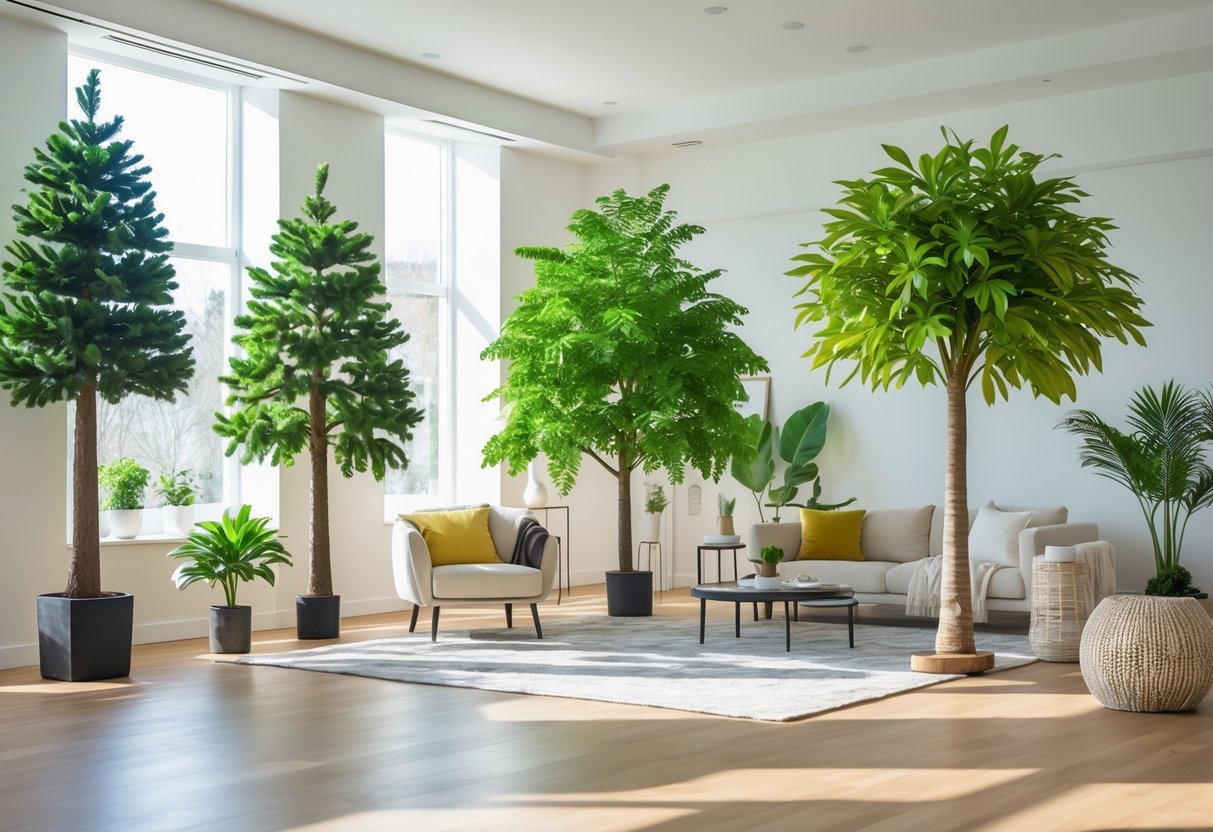
You want a tree that looks real, lasts for years, and doesn’t drop needles all over your floor. I get it. The best artificial trees give you the shape, colour, and fullness of a natural tree without the mess or yearly replacement.
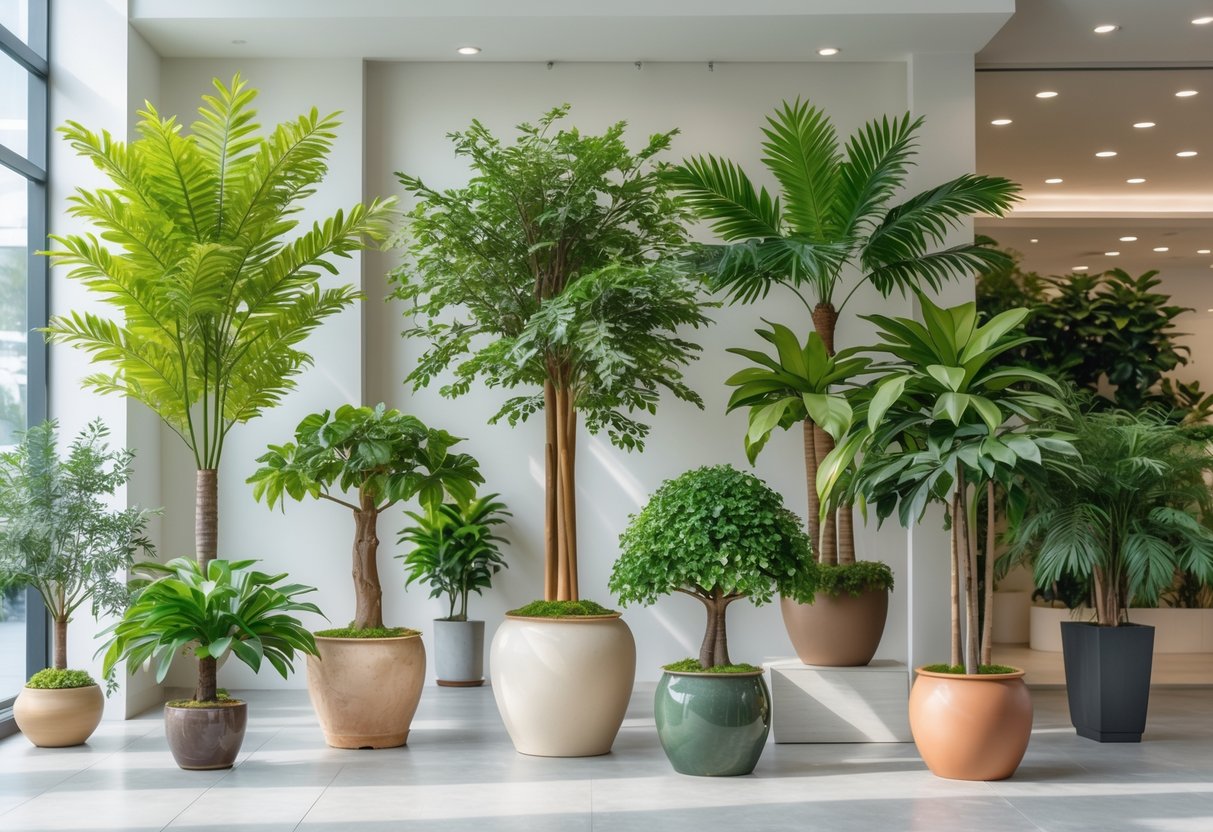
The best artificial trees use high‑quality PE tips, sturdy hinged branches, and a stable base so you get a realistic look that holds up season after season. When I shop for one, I focus on lifelike needles, strong construction, and easy setup so I can enjoy the result instead of fighting with assembly.
Whether you’re styling your home for the holidays or adding greenery to an office, the right artificial tree makes the space feel finished. I’ll walk you through what actually matters so you can choose with confidence.
Key Takeaways
- I focus on realism, durability, and stability when choosing an artificial tree.
- The right tree suits your space, style, and setup preferences.
-
Simple care helps your artificial tree stay in good condition for years.
Top Artificial Trees for Home and Office
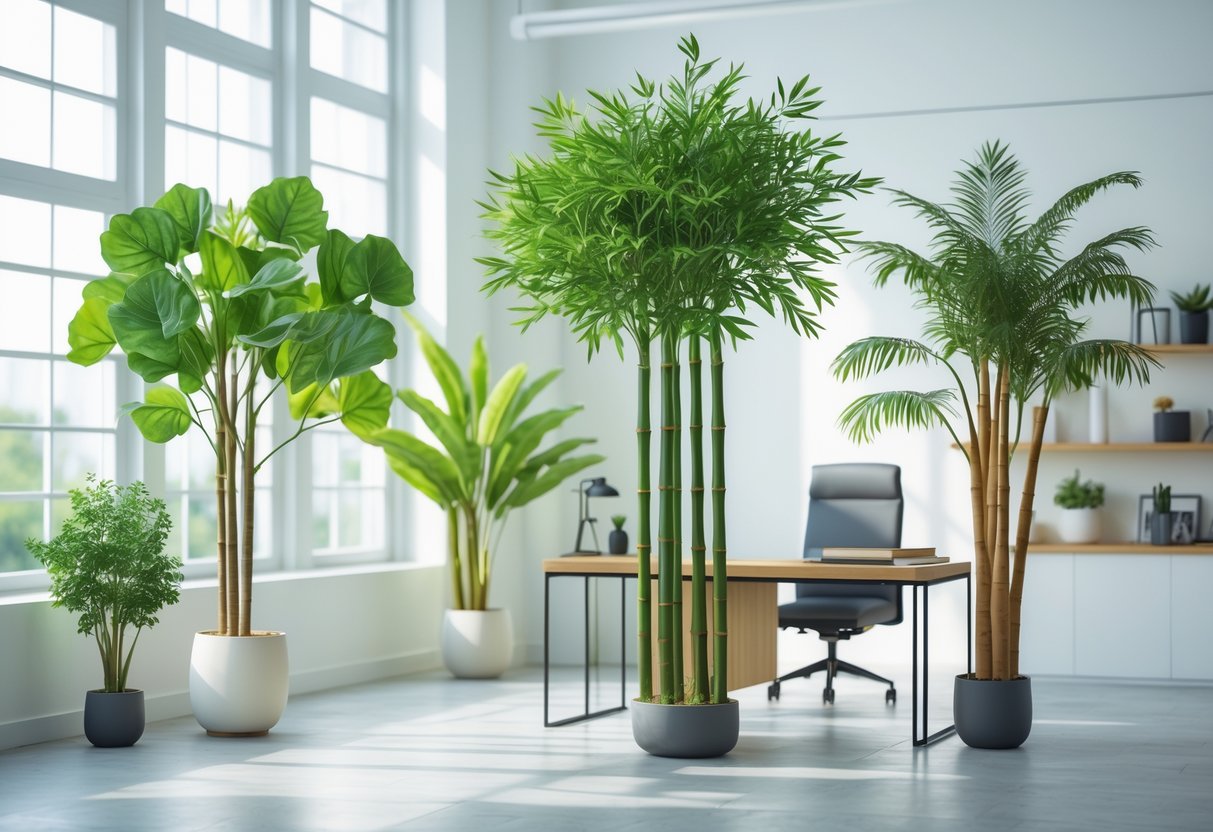
I look for artificial trees that balance realism, durability, and safety. The right choice depends on how natural it appears up close, how little care it needs, and whether it suits homes with kids or pets.
Most Realistic Options
When realism matters, I focus on leaf texture, trunk detail, and branch structure. Trees with wired branches let me shape the canopy so it doesn’t look stiff or symmetrical.
Olive trees, fiddle leaf figs, and dracaenas consistently rank among the most lifelike styles. I’ve noticed guides like the 9 best faux indoor trees that look surprisingly real highlight models with adjustable foliage and natural colour variation, which makes a visible difference in bright rooms.
Premium brands also invest in moulded trunks and layered leaves instead of flat plastic sheets. The top 7 premium faux artificial tree brands in 2025 focus on higher-grade materials that better mimic bark texture and subtle leaf veining.
When I shop, I check:
- Multiple green tones rather than one flat shade
- A weighted pot for stability
- Fabric or silk-blend leaves instead of shiny plastic
Small details decide whether a tree blends into the room or looks artificial.
Low-Maintenance Picks
All artificial trees remove watering from the equation, but some require less upkeep than others. I prefer trees with dust-resistant leaves and sturdy internal frames.
Indoor models designed specifically for busy homes or offices often emphasise durability. The best fake trees for indoor home and office decor highlight options built for consistent indoor conditions without fading or sagging.
I also check whether the tree comes pre-assembled or with minimal shaping required. Adjustable branches help, but overly complex designs can feel time-consuming to set up.
For office spaces, I choose:
- Medium heights (1.2m to 1.8m) for easy placement
- Neutral planters that match existing décor
- Wipe-clean leaves for quick maintenance
A quick dust every few weeks usually keeps them looking tidy.
Pet and Child-Friendly Choices
If pets or young kids share the space, I prioritise stability and non-toxic materials. A heavy, reinforced base reduces the chance of tipping.
Retailers that highlight pet-safe options, such as those featured in the best artificial plants and trees to buy online in Australia 2025, often note secure potting and durable construction.
I avoid small detachable berries, loose moss, or lightweight plastic inserts. Fabric leaves hold up better against curious hands or paws than brittle plastic.
In family homes, I place taller trees behind furniture or in corners to limit access. That simple positioning step adds safety without sacrificing style.
How to Choose the Best Artificial Tree
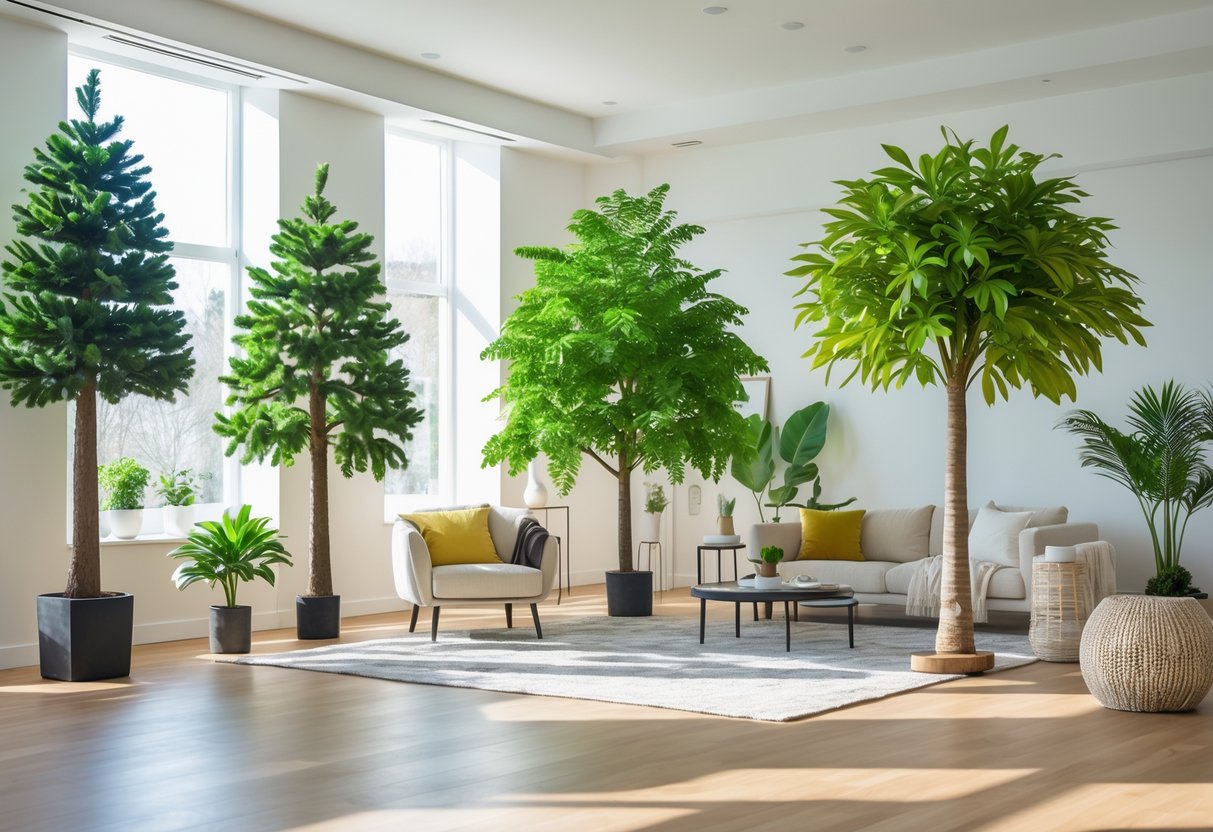
I focus on three things when I choose an artificial tree: build quality, the right size for the space, and how well it suits my décor. When I get these right, the tree looks natural and lasts for years.
Comparing Materials and Construction
I start with the foliage material because it affects both realism and durability. Most quality trees use PVC, PE, or a blend of both.
- PVC: more affordable, slightly flatter needles
- PE (polyethylene): moulded tips that look more realistic
- Blended trees: balance cost and appearance
Buying guides such as this artificial Christmas tree buying guide explain the differences clearly and help me understand what I’m paying for.
I also check the frame. A sturdy metal trunk and hinged branches make setup easier and improve stability. A solid metal stand keeps the tree upright, especially at 180 cm or taller.
Dense branch tips matter. I look for even spacing and no visible gaps near the trunk, especially if I plan to use minimal decorations.
Size and Placement Tips
I always measure the room before I shop. Ceiling height determines tree height, and I leave at least 20–30 cm between the top of the tree and the ceiling.
Here’s how I think about sizing:
| Ceiling Height | Tree Height I Choose |
|---|---|
| 2.4 m | 1.8 m |
| 2.7 m | 2.1 m |
| 3.0 m+ | 2.4 m or taller |
I also check the base diameter. A slim tree suits narrow living rooms or apartments, while a full tree works better in open-plan homes.
Placement affects appearance. I avoid blocking walkways and position the tree near a power point if it has built-in lights. Practical details like this make daily use much easier.
Matching Décor Styles
I match the tree to my existing colour palette and furniture. A heavily flocked or snowy tree suits modern or Scandinavian interiors, while a classic deep green evergreen works well in traditional homes.
Style guides like this overview of the best artificial plants for home decor highlight how shape and colour influence the overall look of a room.
I also consider branch structure. Sparse, sculptural branches suit minimalist spaces. Dense, layered branches support heavier ornaments and bold decorating themes.
Finally, I think about lighting. Warm white LEDs create a softer feel, while cool white suits contemporary interiors. Choosing the right combination ensures the tree looks intentional rather than out of place.
Caring for Your Artificial Tree
I keep my artificial trees looking realistic by cleaning them properly and storing them with care. A few simple habits prevent fading, dust build-up, and bent branches.
Cleaning and Dusting Methods
I dust my artificial tree every few weeks to stop build-up from settling into the leaves. Light, regular cleaning keeps the foliage looking full rather than dull.
For routine care, I use:
- A microfibre cloth for broad leaves
- A soft paintbrush for tight corners
- A hairdryer on cool setting to blow off loose dust
If the tree needs deeper cleaning, I wipe leaves with a damp cloth and mild soap. I never soak the trunk or internal wiring.
Quality trees can stay presentable for years with proper upkeep. Many guides note that a well-made artificial tree can last 5–10 years or longer with maintenance, as explained in this artificial tree lifespan guide.
I also keep trees away from direct sunlight. UV exposure can fade colour over time, especially near large windows.
Long-Term Storage Advice
When I store my artificial tree, I always clean it first. Packing away dust can attract pests and speed up wear, a point highlighted in advice on how to maintain and care for artificial trees.
I disassemble sections carefully and avoid forcing branches flat. I gently fold them inward following their original hinges.
For storage, I choose:
- A breathable storage bag or original box
- A dry, cool area away from moisture
- A space where nothing heavy sits on top
If I store the tree for seasonal use, I label sections to make reassembly simple. Careful storage helps the tree hold its shape and structure year after year.
Frequently Asked Questions
I often hear detailed questions about brands, realism, sizing, maintenance, and environmental impact before someone commits to buying. These practical points usually decide whether an artificial tree looks convincing and lasts for years in an Australian home or office.
What are the top-rated brands for artificial trees?
I look at retailers and specialist suppliers that focus on realistic materials and strong internal frames. Round-ups like the Top 10 Best Artificial Trees of 2025 highlight brands that consistently rate well for durability and lifelike foliage.
I also check whether a brand discloses the materials used, such as polyester, rubber, or PVC. Clear material information usually signals better build quality and transparency.
How do I care for and maintain a synthetic tree to ensure its longevity?
I dust my artificial trees every few weeks with a microfibre cloth or a soft brush attachment on the vacuum. Regular light cleaning prevents build-up that can dull the leaves.
For deeper cleaning, I follow practical steps similar to those outlined in guides on how to clean an artificial tree, focusing on gentle wiping rather than soaking.
If I place a tree outdoors, I choose UV-resistant models and occasionally rinse off dirt. I always let the foliage dry fully before putting it back in position.
Can you suggest the most realistic-looking artificial trees available?
I focus on trees made from mixed materials, such as polyester leaves with natural wood trunks. Many modern options no longer use silk and instead rely on advanced synthetics, as explained in this overview of what artificial trees are made of.
I also prefer trees with varied leaf tones and irregular branch placement. Uniform colour and perfectly symmetrical shapes tend to look artificial in bright Australian light.
What should I consider when choosing the right size artificial tree for my space?
I measure ceiling height first, then subtract at least 30–50 cm to avoid a cramped look. For standard 2.4 m ceilings, I usually stick to trees around 1.8–2.1 m tall.
I also check the width of the canopy and the size of the pot. A slim tree works well in hallways, while a fuller style suits open-plan living areas.
Placement matters just as much as height. I avoid blocking walkways or natural light sources.
Where can I find eco-friendly options for artificial trees?
I compare the environmental trade-offs between real and synthetic options before buying. Discussions about the environmental impact of artificial trees help me weigh factors like PVC use and long-term reuse.
I look for trees designed for extended use, ideally lasting many years. Reusing one high-quality tree reduces waste compared to replacing cheaper versions frequently.
Are there any artificial trees that are particularly easy to assemble?
I prefer trees with hinged branches that fold down into place. These models usually require minimal shaping and no tools.
Many buying guides, such as this detailed artificial tree buying guide, explain which designs come in simple, slot-in sections.
When I assemble a tree, I start from the bottom and work upward. I gently bend and fan out the branches to create a natural silhouette.