
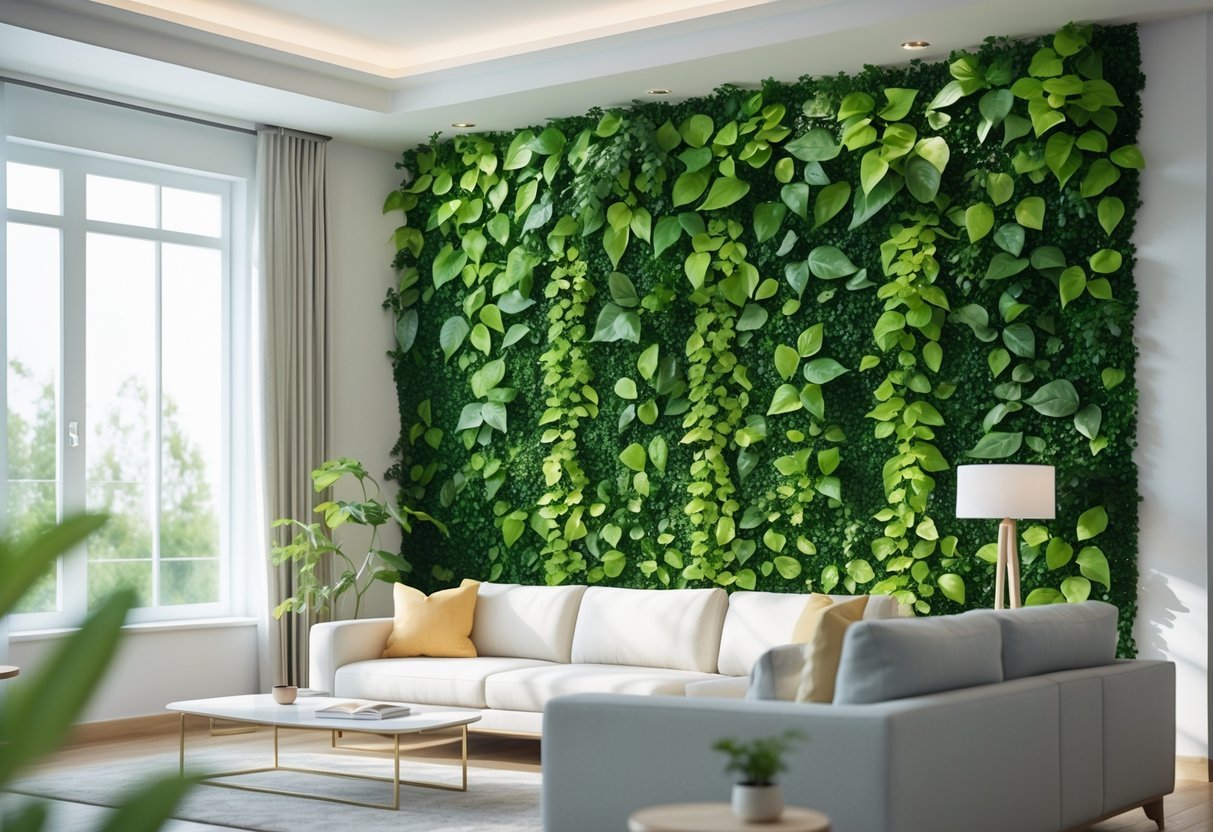
Artificial vine walls have transformed how we bring greenery into spaces where real plants struggle to thrive. Whether you’re looking to brighten up a dim office corner, add privacy to your balcony, or create an eye-catching feature wall, these low-maintenance solutions offer the lush appearance of living plants without the constant watering and sunlight requirements.
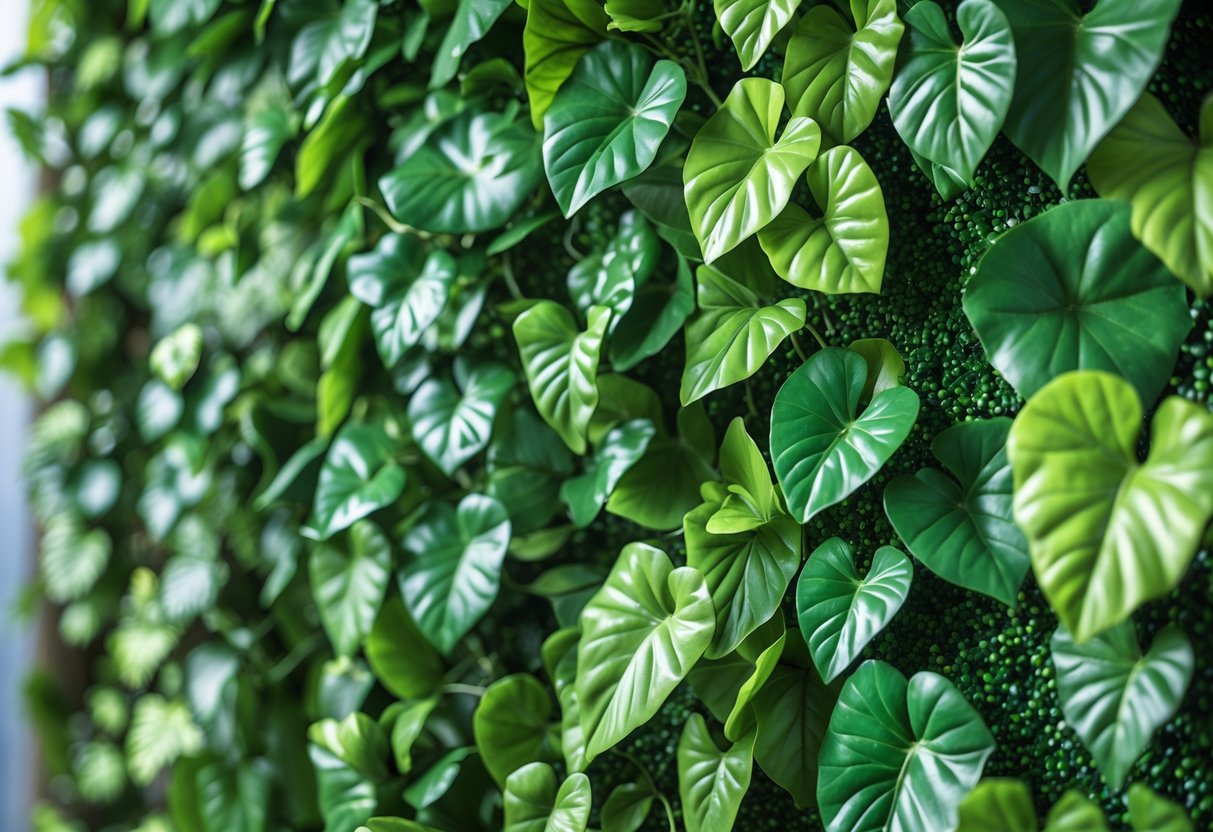
An artificial vine wall is a vertical surface covered with synthetic plant materials that mimics the look of real climbing vines and foliage, providing instant greenery to any indoor or outdoor space. I’ve seen these installations become increasingly popular across homes, cafes, and commercial spaces throughout Australia, particularly as people discover how artificial green walls can dramatically change the atmosphere of a room or outdoor area.
The beauty of artificial vine walls lies in their versatility and durability. You can create a green wall using artificial hedge panels for a full coverage look, or opt for artificial vines that drape naturally across lattice or frame structures. From small accent pieces to entire wall installations, the options suit virtually any budget and design preference.
Key Takeaways
- Artificial vine walls provide realistic greenery without requiring water, sunlight, or ongoing maintenance
- Installation options range from pre-made panels to individual vine strands that can be customised to fit any space
- These walls work equally well indoors and outdoors, offering solutions for areas where real plants cannot survive
What Is an Artificial Vine Wall?
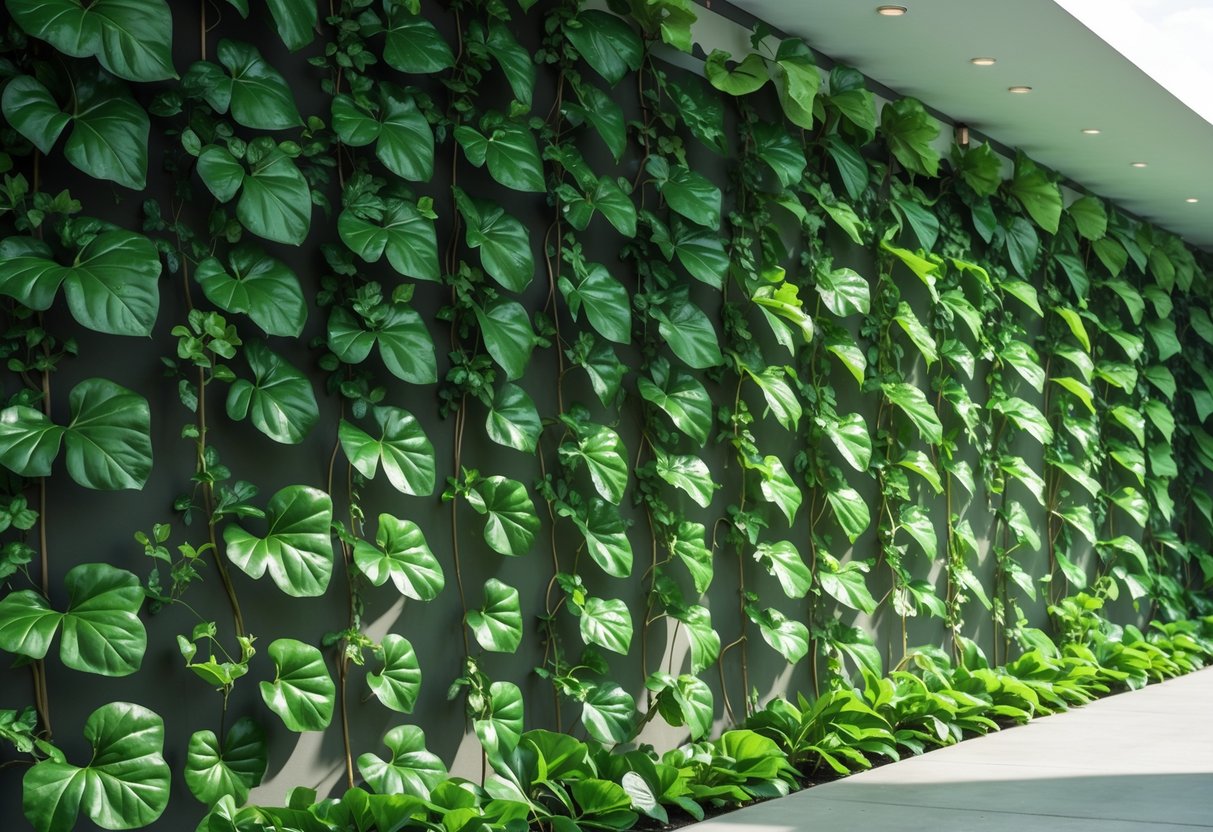
An artificial vines wall is a decorative panel made from synthetic materials that mimics real climbing plants like ivy, pothos, or jasmine. These installations provide instant greenery without the maintenance requirements of living plants, making them practical for both indoor and outdoor applications.
Types of Artificial Vine Walls
I’ve found that artificial vine walls come in several formats, each suited to different installation needs. Panel systems typically measure 1m x 1m and feature plastic or fabric leaves attached to mesh backing, making them ideal for covering large wall areas quickly.
Roll formats offer flexibility for custom-sized projects. Artificial ivy rolls measuring 3M x 1M retail for around $69.95 and can be cut to fit specific dimensions.
Garland and trailing styles work well for accent installations. These individual strands can be hung, draped, or woven through existing structures like fences and trellises. They’re particularly useful when I need to add greenery to curved surfaces or create natural-looking cascading effects.
Benefits of Artificial Green Walls
Artificial vertical gardens require no watering or sunlight, which makes them perfect for spaces where real plants struggle. I appreciate that they maintain their appearance year-round without seasonal die-back or brown patches.
The maintenance is minimal. Periodic dusting with a soft duster or cool hairdryer setting keeps them looking fresh. There’s no need for pruning, fertilising, or pest control.
Durability is another key advantage. Fake vines can last up to 10 years with proper care, providing long-term value. Many are made from UV-resistant materials that won’t fade in direct sunlight, making them suitable for outdoor patios and balconies.
Popular Varieties and Plant Styles
The Vine Pop style features an untamed look with bright colour that creates a lush, organic appearance. This variety works well as a feature wall in commercial venues like bars and restaurants.
Popular faux vine options include:
- Ivy – Classic trailing leaves in various sizes
- Wisteria – Cascading purple blooms starting from $44
- Eucalyptus garlands – Silver-green foliage with natural draping
- Pothos – Heart-shaped leaves in variegated patterns
- String of pearls – Delicate beaded strands for softer aesthetics
Mixing different varieties creates depth and visual interest. I often combine trailing styles with fuller panel options to achieve a more naturalistic vertical garden appearance.
How to Choose the Right Artificial Vine Wall for Your Space
Selecting the right artificial vine wall involves matching panel dimensions to your available space, choosing a design style that complements your interior or exterior aesthetic, and ensuring the materials suit whether you’re installing indoors or outdoors.
Selecting Panel Sizes and Dimensions
I always start by measuring the wall area I want to cover before choosing my panels. Standard 1m x 1m panels work well for most installations because they’re easy to handle and can be arranged in various configurations to fit different spaces.
For smaller areas like feature walls or alcoves, I recommend purchasing individual panels that you can trim to size. Larger commercial spaces often benefit from bulk ordering of uniform panels to create seamless coverage. I’ve found that planning your layout on paper first helps you calculate exactly how many panels you’ll need.
Consider the depth of your panels as well. Thicker panels with more foliage create a fuller look but protrude further from the wall. Thinner options work better in tight spaces like narrow hallways or small balconies where you need to maintain clearance.
Design Styles and Aesthetic Options
I’ve noticed that artificial vine walls come in various designs, from dense foliage to sparse arrangements that suit different preferences. Mixed foliage panels combine different leaf types and textures to create a more natural, layered appearance.
Single-species designs featuring ivy, ferns, or tropical leaves offer a cleaner, more uniform look. I prefer these for modern or minimalist spaces where consistency matters. Some panels include flowering vines or trailing elements that add visual interest and movement.
The colour palette matters too. Deep green tones suit traditional and corporate environments, whilst lighter greens or variegated leaves brighten contemporary spaces. I always check that the plant types in my chosen panels match the overall atmosphere I’m creating.
Indoor vs Outdoor Considerations
For outdoor installations, I only use UV-resistant artificial vines that won’t fade under harsh Australian sun. UV-resistant options withstand harsh weather conditions and maintain their colour for years.
Indoor faux vines don’t need weather protection but should still be fire-rated for safety compliance in commercial buildings. I check that materials are non-toxic and easy to clean, especially in high-traffic areas.
Outdoor panels need proper drainage backing to prevent water pooling and mould growth. I’ve learnt that marine-grade or weatherproof backing materials extend the life of exterior installations significantly. Indoor panels can use lighter backing materials since they won’t face moisture exposure.
Artificial Vine Wall Installation and Maintenance
Installing artificial vine walls requires minimal tools and effort, while maintenance involves simple dusting and occasional inspections to keep your greenery looking fresh.
Step-by-Step Installation Guide
I recommend starting with proper wall preparation by cleaning the surface and ensuring it’s dry. Most artificial vertical garden panels come in 1m x 1m panels that connect together seamlessly.
For mounting, I use cable ties, adhesive hooks, or small screws depending on the wall type. If you’re working with brick or concrete, pre-drill holes and use wall plugs for secure attachment. The panels typically have interlocking edges that allow them to fit together like puzzle pieces.
I measure the wall space first and plan my layout before mounting anything. Starting from one corner and working across ensures even spacing. For outdoor installations, I make sure to use UV-resistant panels designed for Australian conditions.
DIY Tips for Easy Fitting
I’ve found that having a helper makes positioning panels much easier, especially for larger installations. Keep scissors or wire cutters handy to trim any excess ties or adjust vine lengths for a natural look.
For rental properties, I recommend using removable adhesive strips or hooks that won’t damage walls. This approach works well for hanging vines without causing damage. If you need guidance specific to your space, most suppliers offer a contact us option for installation advice.
I suggest creating a small gallery wall first to test placement before committing to a full installation. This lets me adjust the design without wasting materials.
Caring for and Cleaning Artificial Vine Walls
Regular cleaning prevents dust accumulation and keeps the vines looking vibrant. I use a soft cloth or duster for indoor panels, whilst outdoor installations benefit from a gentle spray with a garden hose every few months.
For stubborn dirt, I lightly wipe leaves with a damp cloth and mild soap solution. I avoid harsh chemicals that might fade the colour or damage the material. A hairdryer on a cool, low setting works well for quick dusting between deep cleans.
I inspect fastenings every six months to check for loose ties or clips that might cause sagging. This simple maintenance ensures my artificial vine wall stays secure and attractive for years.
Creative Uses and Inspiration for Artificial Vine Walls
I’ve discovered that artificial vine walls work beautifully as statement pieces in homes, create memorable backdrops for events, and offer endless possibilities for personalised hanging arrangements. These versatile installations transform ordinary spaces into vibrant environments whilst requiring minimal maintenance compared to living plants.
Feature Walls and Room Makeovers
I find that creating a feature wall with artificial vines instantly elevates any room’s aesthetic. A lush green backdrop can transform bare walls by adding colour and texture to lounges, bedrooms, or home offices. I recommend selecting a single wall as your focal point rather than covering every surface.
For maximum impact, I mix different vine types to create depth. Combining trailing pothos with delicate string of pearls varieties adds visual complexity without overwhelming the space. The key is layering vines at varying heights and densities.
I’ve noticed that using a variety of different types of vines and mixing colours and textures creates the most realistic appearance. Arranging vines in a staggered pattern prevents the installation from looking too uniform or artificial. Strategic placement near windows or artwork draws the eye naturally across the room.
Event and Commercial Applications
I’ve seen artificial vine walls become essential elements at weddings, corporate functions, and retail spaces. They serve as photo backdrops that guests love, creating Instagram-worthy moments without the worry of wilting flowers.
For commercial venues, these installations offer long-term value. Cafés and restaurants use them to establish a relaxed, natural atmosphere that enhances the dining experience. Retail shops incorporate vine walls to define different areas within their showrooms.
I particularly appreciate how quickly these installations can be set up and dismantled for temporary events. Unlike real plants, they maintain their appearance throughout multi-day conferences or outdoor celebrations regardless of weather conditions. The reusability factor makes them cost-effective for event planners who work across multiple venues.
Custom Designs and Hanging Displays
I love creating personalised arrangements by incorporating artificial vines into hanging baskets, planters, or window boxes. This approach adds dimension beyond flat wall installations.
My favourite technique involves combining vines with fairy lights for evening ambience. I weave LED strings through the foliage to create a magical glow that highlights the greenery’s texture. This works exceptionally well in entertainment areas or bedrooms.
For a gallery-style display, I arrange multiple smaller vine pieces at different heights rather than one large installation. This creates visual interest whilst allowing flexibility to rearrange elements as my style evolves. I also integrate vines into existing shelving units or around mirrors to frame favourite decorative pieces.
Frequently Asked Questions
Installing artificial vine walls involves several practical considerations, from mounting methods to weather resistance. These common questions address the specific concerns about installation, upkeep, outdoor durability, and selecting quality materials.
How can I install an artificial vine wall at my home?
I recommend starting with a clean, dry surface before attaching your artificial vines. The most common installation method involves using adhesive hooks, cable ties, or mounting clips that won’t damage your walls.
For those who want to avoid making holes, there are nail-free hanging options that work brilliantly for creating vertical gardens. Command strips work well for lightweight panels on smooth surfaces.
If you’re working with heavier panels or outdoor installations, I’d suggest using screws with wall anchors for better stability. You can also create your own green wall by using pieces of artificial hedge and securing them with appropriate hardware.
What maintenance is required to keep a faux vine wall looking fresh?
I find that artificial vine walls require minimal maintenance compared to live plants. Regular dusting every few weeks with a soft cloth or feather duster keeps the leaves looking clean and prevents buildup.
For deeper cleaning, I use a damp cloth with mild soap and water to wipe down the vines. Some people prefer using a handheld vacuum with a brush attachment for quick dust removal.
Quality faux vines can last up to 10 years with proper care. I avoid harsh chemicals or abrasive cleaners that might damage the material or fade the colour over time.
Are there any safety concerns I should be aware of with synthetic vine walls?
I always check that my artificial vines are made from non-toxic materials, especially for indoor spaces where air quality matters. Look for products that are fire-resistant or fire-retardant if you’re installing them near heat sources.
Proper installation is crucial for safety. I make sure all mounting hardware is secure and can support the weight of the panels to prevent them from falling.
For homes with young children or pets, I verify that small parts like berries or leaves are firmly attached and won’t become choking hazards. Keeping the vines out of reach is another sensible precaution.
Can artificial vine walls be used outdoors, and how do they handle the weather?
I’ve successfully used artificial vine walls outdoors, but choosing the right materials is essential. Artificial garden wall panels need to withstand Australia’s extreme weather conditions, from scorching summer sun to heavy rains.
UV resistance is the most important factor I look for in outdoor artificial vines. Without proper UV protection, the colours will fade quickly under our harsh Australian sun.
High-quality outdoor vines are made from weather-resistant materials like polyethylene or treated silk that won’t degrade from moisture. I always ensure proper drainage behind the panels to prevent water buildup and potential damage to the wall underneath.
What are some creative ways to style my space with a fake vine wall?
I love mixing different types of fake vines to create depth and visual interest. Combining various vine varieties with real branches or twigs makes the display look more natural and less artificial.
Creating a feature wall behind furniture or as a backdrop for special occasions adds instant greenery to any space. I’ve seen artificial plant walls used around swimming pools, covering unsightly fences, and transforming outdoor entertaining areas.
Varying the placement and density of vines across the wall prevents that uniform, fake appearance. I sometimes add fairy lights woven through the vines for evening ambience or layer different shades of green for a more authentic jungle feel.
How do I choose the best quality artificial vines for my wall?
I prioritise UV resistance, material quality, and realistic texture when selecting artificial vines for both indoor and outdoor use. These three factors determine how long your wall will maintain its visual appeal.
The leaves should have varied colours and natural imperfections rather than uniform, plastic-looking green. I examine the backing material to ensure it’s sturdy enough to support the vines without sagging over time.
For outdoor installations, I specifically look for products rated for weather resistance with fade-proof colourants. Reading reviews from other Australian buyers helps me understand how specific products perform in our climate conditions.