
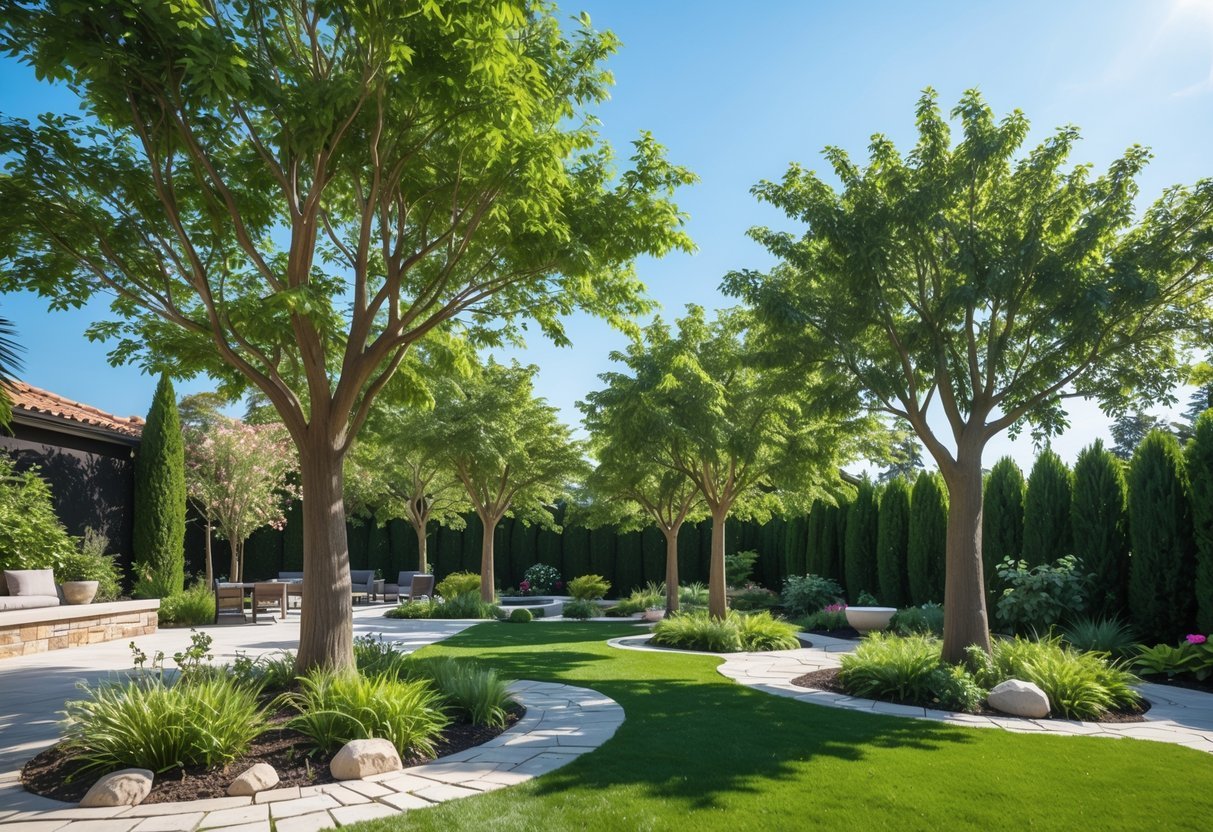
You want greenery outdoors without the watering, pruning, or seasonal leaf drop. Artificial trees outdoor give you that consistent look year-round, whether you’re styling a balcony, patio, courtyard, or commercial space.
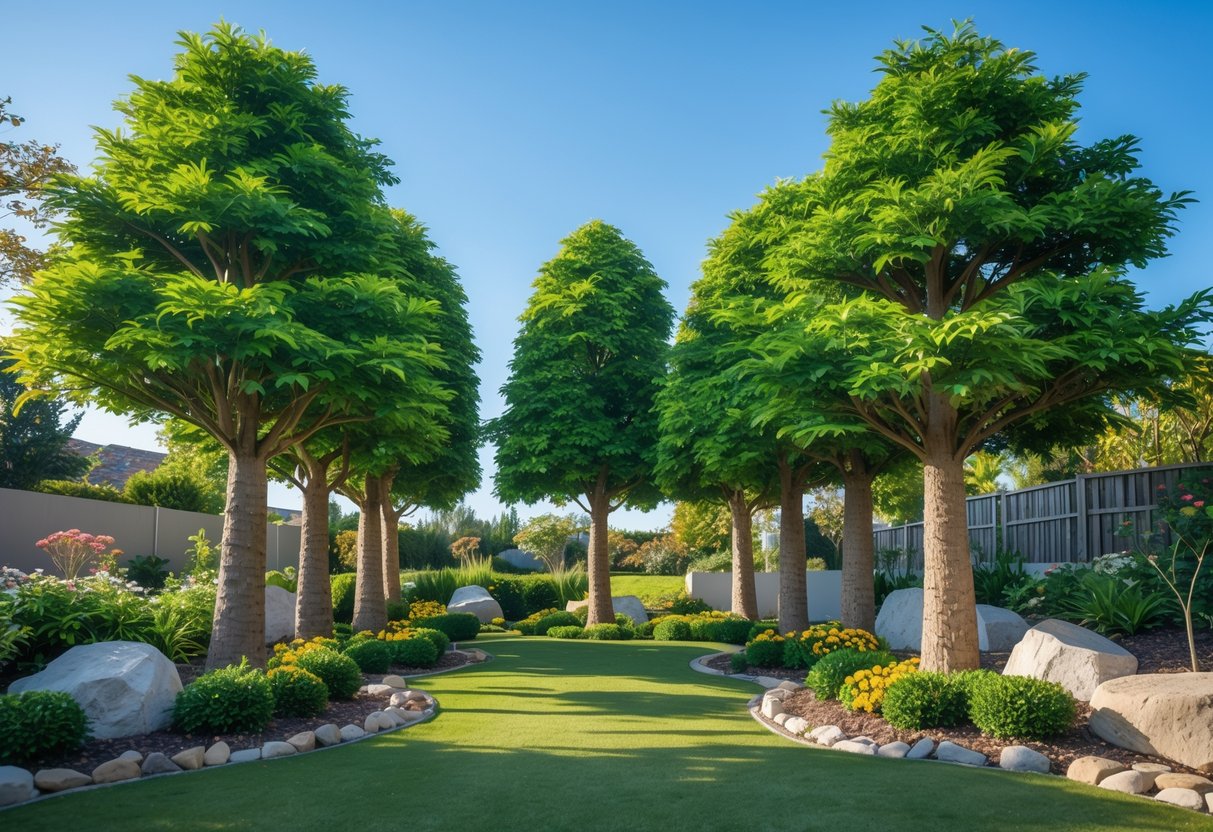
Outdoor artificial trees are UV-treated, weather-resistant faux trees designed to handle sun and changing conditions while keeping their shape and colour. I like them because they let you create privacy, frame an entry, or soften hard surfaces without ongoing maintenance.
From olive and fiddle leaf styles to structured topiary shapes, you can match the look to your space and climate. When you choose well-made options, you get durable materials, stable bases, and foliage that holds up in Australian conditions.
Key Takeaways
- Outdoor artificial trees offer low-maintenance greenery that stays consistent year-round.
- Quality options use UV-stabilised, weather-resistant materials suited to Australian conditions.
- The right size and style can add privacy, structure, and visual balance to your outdoor space.
What Are Artificial Trees for Outdoor Use?
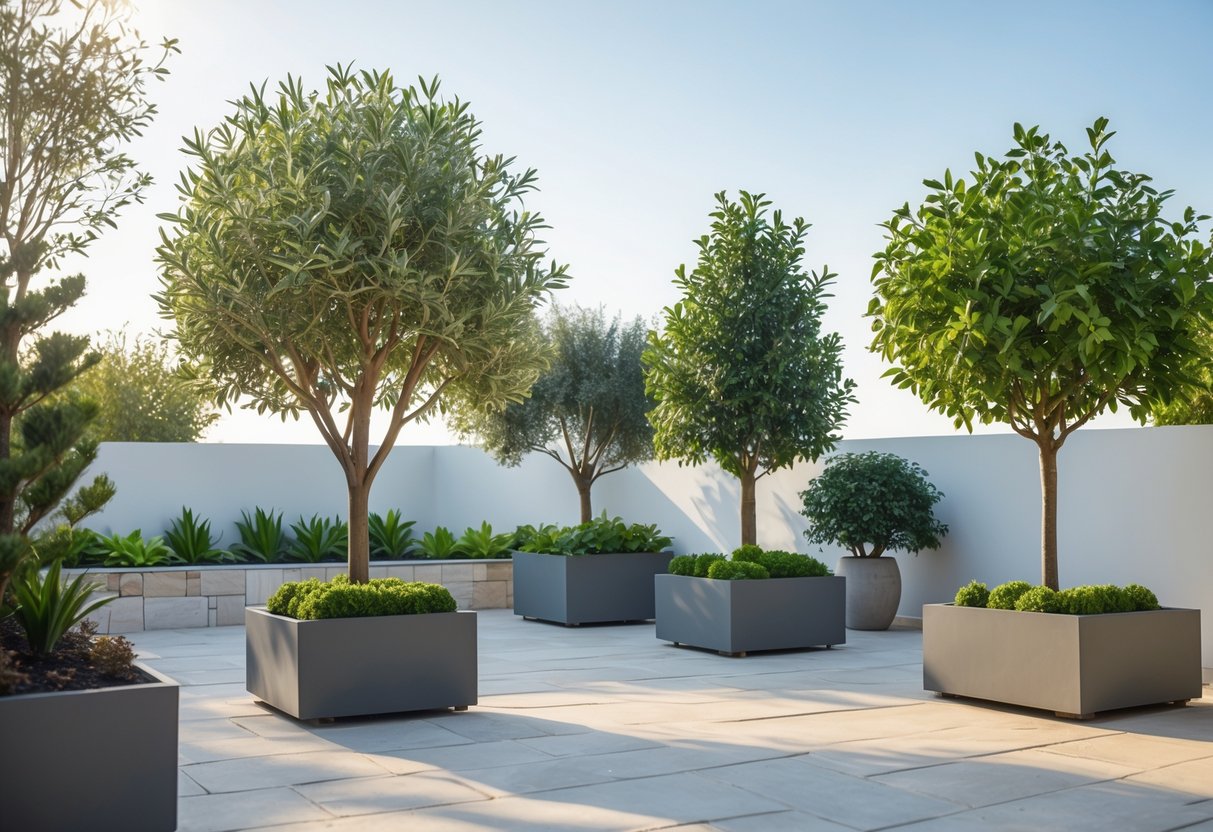
Artificial trees for outdoor use are designed to handle sun, wind, and rain without fading or breaking down. I look at their materials, structure, and UV protection to understand how they differ from indoor versions and other faux plants.
Definition and Key Features
When I talk about artificial trees for outdoor use, I mean fake trees built specifically to withstand outdoor conditions in Australia. Manufacturers make them with UV‑stabilised plastics, treated fabrics, and rust‑resistant internal frames.
Most quality options include:
- UV protection to reduce fading in strong sun
- Weather‑resistant foliage that handles rain and heat
- Sturdy trunks and weighted bases for stability
- Drainage-friendly pots or the ability to secure into the ground
Many retailers of outdoor artificial plants highlight UV protection as essential for balconies, rooftops, and exposed gardens. I always check for that feature first because our sunlight can quickly damage untreated materials.
Unlike living trees, these artificial trees do not need watering, pruning, or fertilising. I simply clean off dust and debris as needed.
Artificial Outdoor Trees vs Indoor Artificial Trees
I see a clear difference between outdoor and indoor artificial trees in both build quality and materials. Indoor versions often use lighter plastics and fabrics that can fade or become brittle outside.
Outdoor models use reinforced branches, thicker foliage, and coatings that help resist UV radiation and moisture. Some guides to best artificial trees for outdoors focus on durability, base strength, and realistic texture because these factors matter more outside than inside.
I also notice that outdoor fake trees usually come with heavier pots or mounting options. Wind can tip over lighter indoor models.
In short, I would not place a standard indoor faux plant on an exposed patio. It may look similar at first, but it is not built for the same conditions.
Faux Plants and Trees Explained
I use the terms faux plants, fake trees, and artificial outdoor plants to describe manufactured greenery made from synthetic materials. These products aim to replicate the shape, colour, and texture of real plants without ongoing care.
Faux plants can include small shrubs, hedges, topiaries, and large statement trees. Some companies that specialise in artificial trees for outdoors explain that outdoor versions must balance realism with durability.
I pay attention to leaf detailing, trunk texture, and colour variation. High-quality artificial trees often blend multiple shades of green and brown to avoid a flat appearance.
Unlike preserved or dried plants, faux plants are entirely synthetic. That means they do not grow, shed leaves, or attract pests, which makes them practical for high-traffic outdoor areas.
Benefits of Outdoor Artificial Trees
I choose artificial trees because they remove routine garden work, keep outdoor areas looking consistent in every season, and handle harsh weather with minimal decline. They also suit households that need cleaner, allergy‑friendly landscaping without sacrificing visual impact.
Low Maintenance and Convenience
I do not need to water, fertilise, prune, or manage pests when I install artificial trees outdoors. That saves time each week and removes ongoing costs tied to irrigation systems, soil treatments, and plant replacements.
Many guides on artificial trees for outdoors highlight their appeal as a low‑maintenance landscaping option. I find this especially useful for rental properties, holiday homes, and commercial spaces where regular garden care is inconsistent.
Quality artificial trees arrive pre‑shaped, and I can secure them in pots or garden beds with minimal setup. Once installed, I simply wipe dust off occasionally or rinse them with water.
This convenience allows me to focus on layout and design rather than plant health. I get structured greenery without committing to seasonal upkeep.
Year-Round Aesthetic Appeal
Real plants change with temperature, rainfall, and light levels. Faux trees maintain the same colour and fullness in summer heat, winter chill, and during drought conditions.
I use artificial plants to keep patios and entryways visually consistent. They do not drop leaves, develop bare branches, or fade unevenly during dry spells.
Retailers that specialise in outdoor artificial trees with lifelike greenery offer options designed to resemble native and tropical varieties. I can choose shapes and sizes that suit compact courtyards or large pool areas without worrying about growth patterns.
This steady appearance helps me plan outdoor styling with confidence. Furniture placement, shade coverage, and sightlines remain predictable throughout the year.
Durability and UV Resistance
Outdoor conditions in Australia can be harsh. Strong sun, wind, and heavy rain quickly stress living plants, especially in exposed areas.
Many high-quality outdoor artificial trees are manufactured with UV‑resistant materials. I look for products rated for exterior use so the foliage resists fading and structural weakening.
Durability matters to me because I want a long service life. Well‑made artificial trees feature reinforced trunks, stable bases, and weather‑tolerant leaves.
I still position them thoughtfully, especially in extreme heat or coastal winds. However, they generally withstand conditions that would require constant care or replacement with living plants.
Hypoallergenic and Safe Solutions
Pollen from flowering plants can trigger allergies. Artificial trees and faux trees produce no pollen, no sap, and no organic debris that attracts insects.
This makes them suitable for households with allergy sensitivities or asthma concerns. I can add greenery near seating areas without increasing airborne irritants.
They also reduce exposure to fertilisers and pesticides. Unlike living plants, artificial plants do not require chemical treatments to manage pests or disease.
In commercial settings such as cafes or offices, I prefer quality artificial trees because they limit slipping hazards from fallen leaves and dropped fruit. Clean walkways and controlled placement improve safety while maintaining a natural look.
Types of Artificial Trees Suitable for Outdoors
I look for outdoor artificial trees that handle sun, wind, and rain without fading or cracking. The right choice depends on leaf shape, trunk material, UV protection, and how well the tree suits the scale of my space.
Artificial Palm Trees
I use artificial palm trees when I want a clear tropical look around pools, patios, or alfresco areas. Their long fronds add height and movement, even though the structure stays fixed.
For outdoor use, I check for UV-rated leaves and sturdy internal frames. Many options highlighted in guides to the best artificial trees for outdoors focus on weather resistance and dense foliage, which helps the tree look natural under bright light.
I also pay attention to the trunk. Good models use textured plastic or treated timber-style finishes that resist cracking. In windy spots, I secure the pot inside a heavier planter or anchor it with gravel.
Palm styles that work well outdoors include:
- Areca palms for a softer, feathery look
- Date palms for structured fronds
- Kentia palms for narrower spaces
Fiddle Leaf Fig for Outdoor Spaces
A fiddle leaf fig creates a bold, architectural statement on a balcony or near an entry. I choose it when I want broad, glossy leaves that stand out against neutral walls.
When placing a faux fiddle leaf fig outside, I confirm it is rated for exterior use. Retailers that specialise in indoor and outdoor artificial trees often list whether a model suits covered patios or full sun.
The most important details I check include:
- Thick, reinforced stems
- UV-stabilised leaves to reduce fading
- A weighted base for stability
I usually position mine in a sheltered area. Even durable fake trees last longer when I limit constant exposure to harsh afternoon sun and heavy rain.
Artificial Olive Tree Varieties
An artificial olive tree suits Australian outdoor spaces because it pairs well with stone, timber decking, and neutral render. The narrow, grey-green leaves look realistic when manufacturers vary the tone slightly.
I often see olive styles featured in curated lists like the top 5 outdoor artificial trees, which focus on realism and durability for patios and entryways.
When choosing one, I compare:
| Feature | What I Look For |
|---|---|
| Leaf finish | Matte, slightly dusty green |
| Trunk | Textured and irregular |
| Fruit detail | Subtle olives, not oversized |
I prefer models with flexible branches so I can shape the canopy. That small adjustment makes the tree look less uniform and more natural in outdoor light.
Other Popular Faux Trees
Beyond palms, fiddle leaf figs, and olives, I also consider other fake trees designed for exterior use. Cedar topiary, bamboo, and rubber trees all appear in round-ups of the best outdoor artificial trees for lasting beauty.
Cedar topiary works well beside doors because its compact shape frames an entrance neatly. Bamboo adds height without wide spread, which suits narrow courtyards.
When I shop, I focus on:
- Clear UV-resistance information
- Weather-tolerant materials
- Suitable height for the space
Choosing the right artificial tree for outdoors comes down to matching style with durability. I always balance appearance with practical performance in Australian conditions.
How to Choose Quality Artificial Trees for Your Outdoor Area
I focus on UV protection, correct sizing, and strong materials when I buy artificial trees for outdoors. These factors decide how long the tree lasts and how natural it looks in real weather conditions.
Selecting UV-Stabilised Trees
When I shop for artificial trees for outdoor use, I check for UV-stabilised or UV-resistant labels first. Without this protection, leaves can fade, crack, or turn brittle after months in direct Australian sun.
I look for products specifically described as all-weather or fade-resistant, as recommended in this guide to choosing outdoor artificial trees. UV-treated polyethylene (PE) foliage usually holds colour better than basic PVC.
I also ask how long the UV protection is expected to last. Some quality artificial trees include a stated UV warranty, which gives me more confidence.
If I plan to place artificial plants in full sun, I prioritise:
- UV-stabilised leaves
- Fade-resistant colouring
- Weather-rated construction
For covered patios, I can be slightly more flexible, but I still avoid non-UV indoor-only trees outdoors.
Picking Sizes and Styles for Different Spaces
I always measure my space before choosing artificial trees. A tree that is too tall can overpower a small balcony, while a short tree can look lost in a large yard.
For compact areas, I follow general guidance like that shared in this advice on choosing the perfect outdoor artificial tree, which suggests moderate heights for patios and balconies and taller trees for larger gardens.
I also match the style to the setting:
- Pine or olive trees suit modern courtyards
- Palm trees work well around pools
- Maple or flowering trees soften entryways
I think about sightlines too. I place taller artificial plants behind furniture and shorter ones near pathways so the space feels balanced and easy to move through.
Assessing Material Quality
Material quality determines how realistic and durable artificial trees look over time. I prefer PE leaves because they usually have better texture and shape than cheaper plastic options.
I also check the trunk. A sturdy, metal-reinforced or solid core trunk resists wind better than hollow plastic. The article on essential factors before buying outdoor artificial trees highlights lifespan and construction as key buying considerations, and I agree.
When I inspect quality artificial trees, I look for:
| Feature | What I Check |
|---|---|
| Foliage density | Full coverage without obvious gaps |
| Branch attachment | Secure fittings, not loose inserts |
| Base | Weighted or suitable for anchoring in pots |
If the tree feels flimsy in my hands, it will not handle wind or rain outside. I invest in stronger construction upfront so my artificial plants stay presentable season after season.
Design, Placement, and Styling Tips
I focus on positioning, plant combinations, and container choices to make artificial trees outdoor look intentional rather than temporary. When I plan carefully, faux trees and artificial plants sit naturally in the space and support the overall layout.
Best Locations in Gardens and Patios
I place faux trees where real plants struggle or where I need structure year round. Entryways, pool surrounds, paved courtyards, and exposed balconies work well because artificial plants handle wind and heat without constant care.
Corners often feel empty, so I use taller faux trees to anchor those spots. Along fences or blank walls, I space trees evenly to create rhythm instead of clustering them randomly.
For small outdoor areas, I keep scale tight and avoid oversized canopies. Practical advice from this guide on styling small porches or balconies with artificial trees aligns with what I do: choose slim profiles and leave clear walking paths.
I also check materials before installing. UV resistance and suitable outdoor construction matter, as outlined in this overview of outdoor artificial tree considerations.
Quick placement checks I use:
- Keep at least 60 cm clearance for walkways
- Avoid blocking drainage points
- Position trunks where they look naturally “rooted”
Pairing Faux Trees with Real Greenery
I mix faux trees with real plants to soften the look. The contrast works best when I repeat colours and leaf shapes across both.
For example, I might place a faux olive tree in a large pot and surround it with real lavender or native grasses. The real foliage adds scent and movement, while the artificial tree provides height and permanence.
I avoid placing only artificial plants together in one tight cluster. Instead, I distribute them so the eye moves across the space.
When I want a natural finish, I follow guidance similar to this advice on choosing realistic artificial greenery trees. I look for textured trunks, layered foliage, and slight asymmetry.
What I match carefully:
- Leaf tone (cool vs warm green)
- Trunk colour and texture
- Pot style and material
Planters, Pots, and Decorative Additions
The container often determines whether faux trees look convincing. I choose heavy, outdoor rated pots that suit the architecture of the home.
In modern spaces, I prefer matte black, concrete, or charcoal planters. In coastal or classic gardens, I lean towards terracotta or stone finishes.
I secure the base properly so strong winds do not shift the tree. In larger yards, I take cues from ideas for integrating artificial topiary trees into landscape design by using symmetry near pathways or framing a view.
To finish the look, I top the pot with:
- Real pebbles
- Decorative bark
- Sealed soil or moss
These small details reduce the “plastic” feel and help artificial plants blend into the outdoor setting without drawing unwanted attention.
Care and Maintenance for Outdoor Artificial Trees
I keep my artificial trees looking sharp by cleaning them properly, protecting them from sun damage, and checking them through the year. A small amount of routine care keeps fake trees and artificial outdoor plants neat, stable, and realistic in outdoor conditions.
Cleaning and Preserving Appearance
I remove surface dust every few weeks, especially if my artificial trees sit near roads, pools, or entertaining areas. I use a soft microfibre cloth, a feather duster, or a handheld vacuum on a low setting to lift loose debris from leaves and branches.
For a deeper clean, I mix mild dishwashing liquid with lukewarm water. I wipe each section with a damp cloth and avoid soaking the trunk or internal frame.
When I clean larger pieces, I follow practical steps similar to those outlined in this guide on how to clean artificial plants. I focus on rinsing gently and allowing everything to dry fully before putting the tree back in full sun.
To preserve colour, I:
- Keep trees out of constant harsh afternoon sun where possible
- Apply a UV protectant spray designed for synthetic foliage
- Avoid abrasive brushes that scratch plastic leaves
Regular light cleaning prevents grime build-up that makes fake trees look dull or grey.
Extending Tree Lifespan
I treat outdoor artificial trees as long-term fixtures, not “set and forget” décor. Placement matters more than most people realise.
I position my artificial outdoor plants where drainage is good and water does not pool around the base. Standing water can weaken adhesives and internal supports over time.
When choosing products, I look for options designed for exterior use, as explained in discussions about artificial trees vs. real plants for outdoor use. UV-stabilised materials and rust-resistant frames hold up better in Australian conditions.
I also secure taller fake trees with weighted pots or ground anchors. Strong wind can loosen trunks or distort branches if they are not stabilised properly.
Simple protective habits make a noticeable difference:
| Risk Factor | What I Do |
|---|---|
| Harsh sun | Apply UV spray annually |
| Heavy wind | Anchor or weight the base |
| Coastal air | Rinse salt residue regularly |
Seasonal Checks and Adjustments
At the start of each season, I inspect my artificial trees closely. I check for fading, loose branches, cracked leaves, or shifting bases.
Before summer, I reapply UV protection and confirm that pots have not become brittle. During autumn, I clear fallen leaves from around the base to prevent mould or staining.
In winter, especially in storm-prone areas, I temporarily move lightweight artificial outdoor plants to sheltered spots. Seasonal guidance like that shared in advice on how to take care of artificial outdoor plants for seasonal changes reinforces the value of adjusting placement as weather shifts.
I also reshape branches gently to maintain a natural form. Small adjustments keep artificial trees balanced and realistic throughout the year.
Frequently Asked Questions
I get asked a lot about durability, cleaning, UV protection, and what actually works outside in Australian conditions. I focus on weather resistance, realistic materials, and simple maintenance so artificial trees stay presentable year-round.
How can I protect my artificial outdoor trees from the weather?
I choose trees labelled as UV-resistant because constant sun can fade leaves and make plastic brittle. Many suppliers explain outdoor suitability and care in guides such as this overview of fake outdoor trees for garden use.
I place pots in sheltered spots where possible, especially on balconies or exposed patios. For added stability, I weigh down the base with gravel or secure the pot inside a heavier planter.
During severe storms, I move lightweight trees indoors or into a covered area. That small step prevents broken branches and damaged trunks.
What types of faux trees are best for an outdoor setting?
I look for trees specifically designed for exterior use, not standard indoor décor moved outside. Retailers often outline material and durability details in their artificial trees frequently asked questions.
UV-stabilised polyethylene leaves and sturdy internal metal frames perform better than thin plastic foliage. For a natural look, I prefer models with textured trunks rather than glossy finishes.
In coastal areas, I choose salt-tolerant materials and rinse them occasionally to reduce residue build-up.
Are there any low-maintenance artificial trees recommended for outdoor use?
Yes, I recommend UV-resistant varieties because they need less frequent replacement and minimal upkeep. Some buying guides, like this review of the best artificial outdoor trees, discuss durability and expected lifespan.
I avoid trees with delicate fabric leaves outdoors. Dense plastic foliage handles dust, light rain, and heat far better.
Once installed securely, most outdoor-rated trees only need occasional cleaning and basic checks for loose branches.
Can artificial outdoor trees withstand strong winds and intense sun?
They can, but only if they are built for it. I check product details carefully and confirm they are rated for outdoor exposure, as explained in comparisons such as artificial trees vs real plants for outdoor use.
Strong winds are usually more of a problem than sun. I secure the base firmly and avoid placing tall, lightweight trees in fully exposed positions.
For intense sun, I rely on UV-treated foliage. Without that protection, fading and cracking happen much faster in Australian climates.
What should I consider when choosing an artificial tree for my garden or patio area?
I start with location. Full sun, partial shade, and wind exposure all influence which materials will last.
I also measure the space carefully. A tree that looks balanced indoors can overwhelm a small courtyard.
When I shop, I review common buyer questions such as those covered in artificial tree FAQs to confirm details about materials, assembly, and fire retardancy.
How do I clean and maintain my artificial outdoor trees to keep them looking fresh?
I dust or hose them lightly every few weeks, depending on how exposed they are. In dry areas, I wipe leaves with a damp cloth to remove fine dirt.
For deeper cleaning, I use mild soapy water and rinse gently. I let the foliage dry fully before repositioning it.
I also inspect branches and fittings a few times a year. Tightening loose parts early keeps the tree looking neat and stable.