
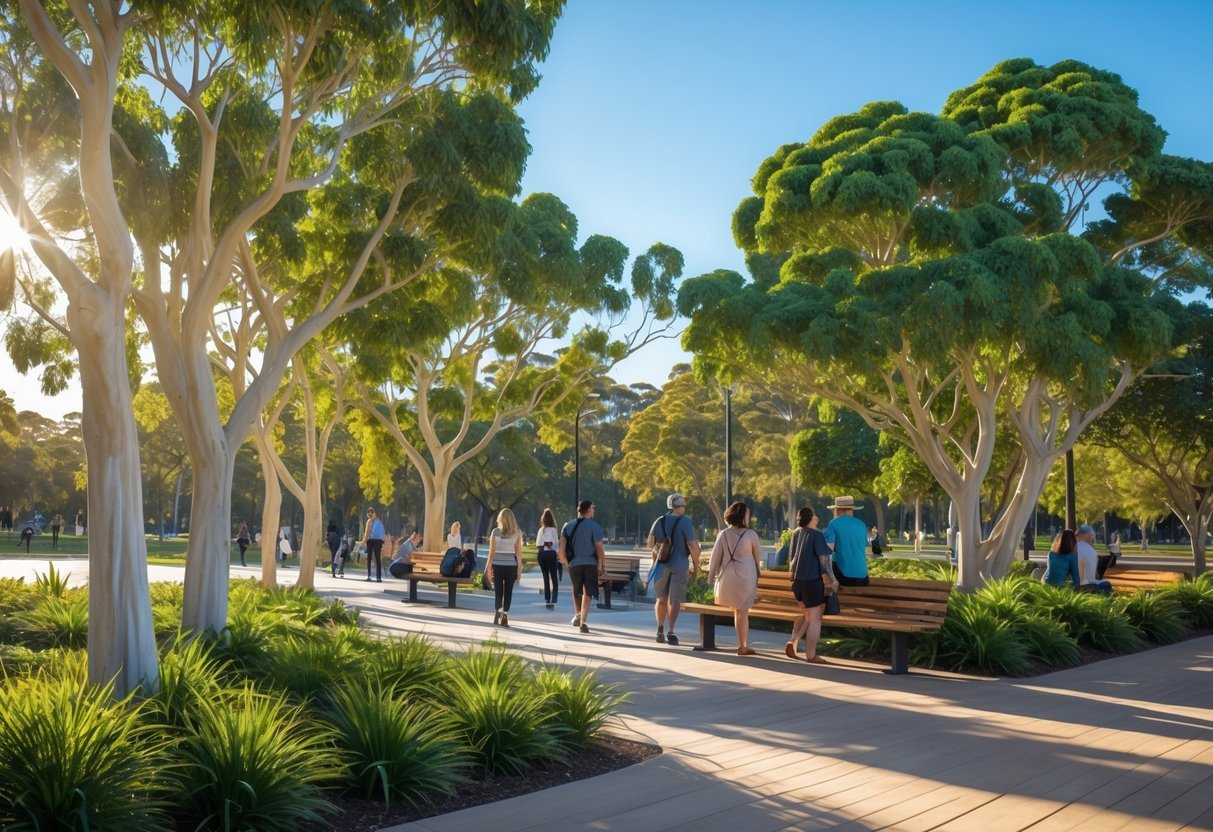
If you want greenery without the upkeep, artificial trees in Australia give you a practical way to style your space. I use them to add structure, height, and natural colour to homes and offices without worrying about watering, light, or seasonal changes.
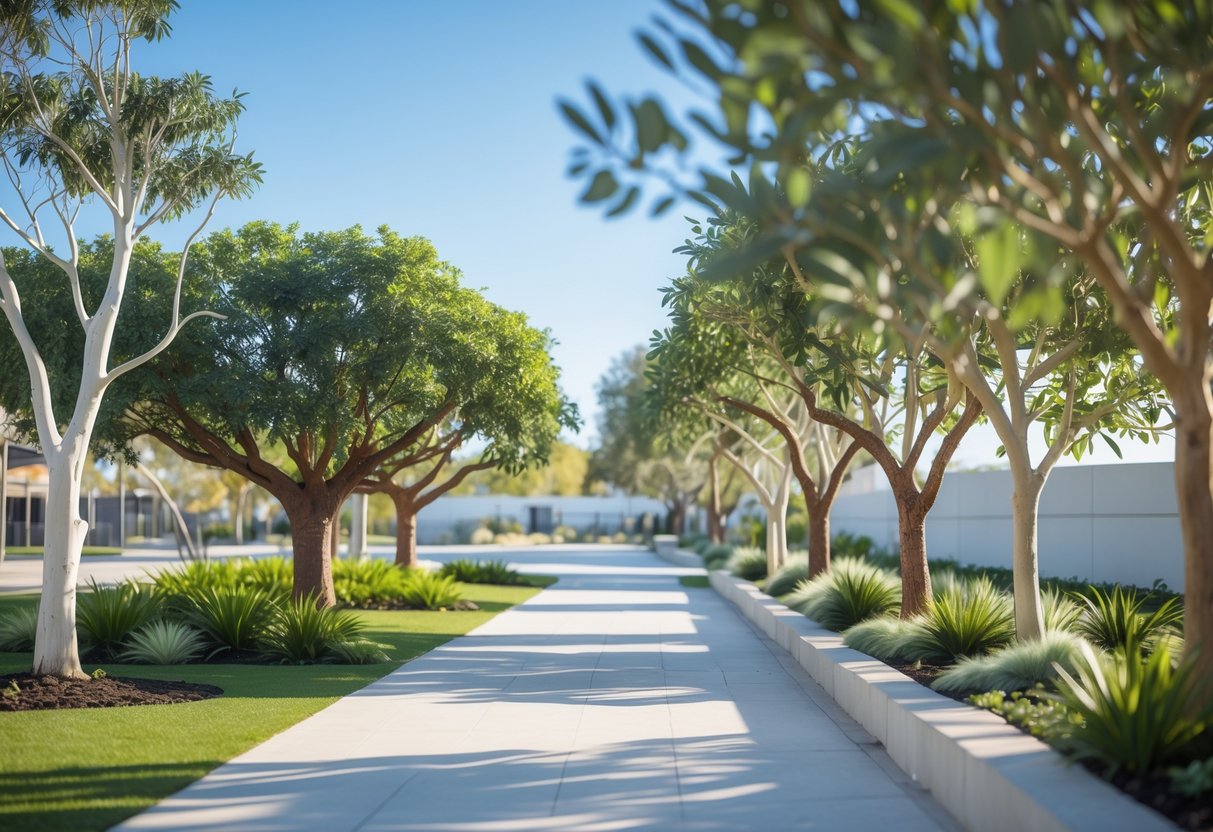
Artificial trees in Australia offer a low‑maintenance way to create a realistic, year‑round green look indoors or outdoors. You can choose from lifelike olive trees, fiddle leaf figs, palms, bamboo, and native-inspired designs that suit modern apartments, family homes, and commercial spaces alike.
I’ll walk you through the options available, what makes a quality tree worth buying, and how to choose one that suits your space and lifestyle so you can invest with confidence.
Key Takeaways
- Artificial trees give you year‑round greenery without watering or pruning.
- You can choose from a wide range of styles to suit different spaces and needs.
- Quality, placement, and simple care help you get the best long‑term value.
Types of Artificial Trees in Australia
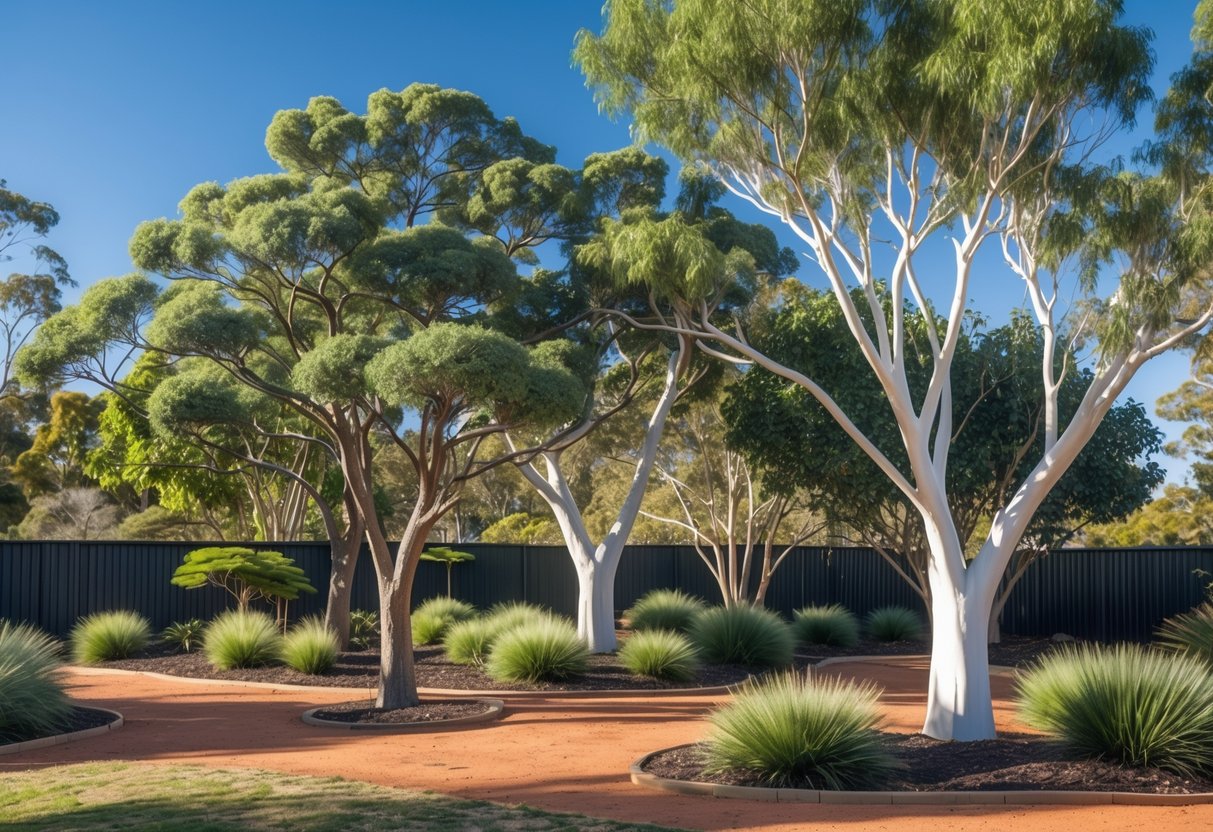
I see three main categories dominate the Australian market: indoor statement trees, weather-resistant outdoor options, and custom builds for commercial or large residential spaces. Each type focuses on different materials, construction methods, and placement needs.
Indoor Artificial Trees
I often recommend indoor artificial trees for living rooms, bedrooms, offices, and apartments where natural light may be limited. Popular choices include fiddle leaf figs, olive trees, bird of paradise, bamboo, and rubber trees.
Retailers such as Artificial Plant Shop’s artificial trees range stock ultra‑lifelike designs made for interior styling. Many indoor models use detailed leaf veining, varied green tones, and flexible wired branches so I can shape them to suit the space.
When I choose an indoor tree, I focus on:
- Height and canopy spread
- Pot style and stability
- Leaf texture and colour depth
- Ease of assembly and repositioning
Indoor trees usually come in decorative nursery pots that I can place inside a larger planter. They don’t need UV protection, but they should have sturdy internal frames to prevent sagging over time.
Outdoor Artificial Trees
Outdoor artificial trees must handle direct sun, moisture, and temperature changes. I always check for UV-resistant materials and secure potting before placing them on balconies, patios, or entryways.
Stores like The Plants Project’s indoor and outdoor artificial tree collection highlight options such as artificial olive trees, fiddle leaf figs, and bamboo designed for exterior use. These typically feature treated foliage and reinforced trunks.
For outdoor placement, I pay close attention to:
- UV stability to reduce fading
- Weighted or fillable bases
- Weather-tolerant foliage materials
- Wind exposure in the installation area
Some models suit undercover alfresco areas better than fully exposed spaces. Even weather-rated trees last longer when I position them out of constant harsh sun.
Custom Artificial Trees
Custom artificial trees suit large homes, shopping centres, hospitality venues, and offices that need a specific height, species, or layout. I look at these when standard retail sizes won’t achieve the visual scale required.
Suppliers such as Lifelike Plants’ premium artificial trees focus on hand-assembled realism with botanically accurate foliage. Custom work often includes adjustable trunk heights, mixed foliage types, and tailored pot or planter integration.
I consider custom trees when I need:
- Heights above standard retail sizes
- Brand-aligned styling for commercial fit-outs
- Precise species replication
- Integrated planter boxes or built-in installations
Custom builds usually involve consultation and longer lead times, but they allow me to match the tree exactly to the space rather than adjusting the room around a pre-made option.
Benefits of Artificial Trees
I choose artificial trees because they reduce upkeep, control long‑term costs, and avoid common allergy issues. They also suit busy homes, rentals, and pet owners who want greenery without ongoing work.
Low Maintenance
I do not water, prune, fertilise, or repot artificial trees. They stay the same size and shape, which helps me plan furniture placement and lighting without worrying about growth or leaf drop.
Most indoor options only need light dusting or a quick wipe with a damp cloth. Many high‑quality designs use durable materials and stable bases that hold their form for years, as outlined in this guide to durable, low‑maintenance artificial trees.
I also avoid pest issues such as fungus gnats or scale. That matters in apartments and offices where soil and insects create extra cleaning and compliance concerns.
For outdoor areas, I look for UV‑resistant materials and sturdy trunks. Once installed in a weighted pot, the tree stays in place and does not need seasonal trimming.
Cost Effectiveness
I pay more upfront than I would for a small live plant, but I avoid repeat spending on replacements, potting mix, fertiliser, and plant food. Over several years, that adds up.
Research on seasonal use shows that when reused for 7–10 years, an artificial tree can offset its initial environmental impact compared with buying a new real one each year, as explained in these benefits of artificial vs real Christmas trees. The same logic applies to decorative indoor trees that I plan to keep long term.
I also save on maintenance services in commercial spaces. There is no need to hire contractors for pruning, plant health checks, or replacements due to poor light.
Because the size and fullness stay consistent, I avoid redesign costs caused by plant loss. I invest once and use it for years.
Allergies and Pet Friendly
I avoid pollen, sap, and mould spores that can trigger hay fever or asthma. Artificial trees do not release airborne allergens, which helps in enclosed rooms with limited ventilation.
They also remove the risk of pets digging in soil or chewing toxic leaves. I do not need to research plant toxicity lists or block access to pots.
There is no fertiliser runoff, damp soil, or fallen leaves to clean up. That keeps floors cleaner and reduces slipping hazards.
In homes with children, I prefer stable, weighted bases and secure branches. I get the look of greenery without thorns, sharp stems, or dropped debris on carpets and rugs.
Where to Buy Artificial Trees in Australia
I look at range, delivery options, and build quality before I choose where to buy artificial trees in Australia. Some retailers focus on designer indoor pieces, while others specialise in bulk orders or commercial-grade installations.
Online Retailers
I often start with online stores because they show detailed product photos, dimensions, and styling ideas. Many also deliver Australia‑wide, which makes it easier if I live outside a major city.
For example, Artificial Trees from Artificial Plant Shop showcase options for homes, businesses, and events with project advice available. If I want variety across olive, palm, or statement pieces, I browse the range of artificial trees at The Plant Factory for indoor styling.
When I compare options, I check:
- Height and pot size
- Materials used in leaves and trunks
- Indoor vs outdoor suitability
- Shipping costs and dispatch times
Online stores usually provide the widest selection in one place, which helps me compare styles and prices quickly.
Physical Stores
I visit physical stores when I want to see the tree in person. Photos help, but I prefer to check leaf texture, trunk detail, and overall fullness before I buy.
Retail chains such as Pillow Talk’s artificial trees collection let me see how a tree looks styled in a living room setting. That makes it easier to judge scale next to sofas or dining tables.
In-store shopping works best when I:
- Need the tree immediately
- Want to avoid delivery fees
- Prefer to inspect colour and realism firsthand
Stock can be limited compared to online warehouses, so I usually call ahead if I’m after a specific size or species.
Wholesale Suppliers
I turn to wholesale suppliers when I need multiple trees for a fit‑out, event, or commercial space. These suppliers often focus on bulk pricing and large-scale stock.
The bulk artificial trees available at Koch & Co suit event stylists and businesses buying in volume. For very large or custom-style orders, I look at suppliers like Artificial Plants Online’s warehouse range, which stocks everything from small shrubs to oversized ficus trees.
Before ordering wholesale, I confirm:
| What I Check | Why It Matters |
|---|---|
| Minimum order quantities | Affects total budget |
| Lead times | Important for event deadlines |
| Warranty or construction quality | Ensures durability |
| Pot stability and weight | Key for safety in public spaces |
Wholesale works well when consistency, scale, and price per unit matter more than browsing convenience.
Choosing the Right Artificial Tree
I focus on three practical factors: correct proportions, durable materials, and a style that fits the way Australian homes actually look and function. When I get these right, the tree feels intentional rather than like an afterthought.
Size and Shape Selection
I always measure the space before I look at styles. Ceiling height matters, but so does floor area and walkway clearance.
For standard Australian ceilings (2.4m), I usually allow at least 20–30cm between the top of the tree and the ceiling. In apartments or townhouses, I often choose slimmer profiles to avoid crowding the room.
Common shapes I consider:
- Full trees – suit larger living rooms with open floor space
- Slim or pencil trees – ideal for units and narrow corners
- Half trees – sit neatly against walls in compact areas
If I want detailed guidance on proportions and placement, I check a practical Christmas tree buying guide for Australian homes. It helps me match tree height and width to real room dimensions rather than guessing.
Material Quality
I pay close attention to what the tree is made from because it affects how real it looks and how long it lasts.
Most quality artificial trees in Australia use either PVC, PE, or a blend of both. PE (polyethylene) tips usually look more realistic because manufacturers mould them from real branches. PVC tends to be more affordable but can look flatter up close.
When I assess quality, I check:
- Branch construction – wired branches hold shape better
- Tip count and density – fuller coverage hides the centre pole
- Base stability – a sturdy metal stand prevents tipping
I compare construction features using guides like this overview of how to choose artificial trees, which explains what to look for in indoor and outdoor options.
If I plan to reuse the tree for many years, I avoid very lightweight frames. A solid frame handles repeated assembly and storage better.
Matching Australian Décor
I match the tree to my home’s colour palette and overall style rather than treating it as a separate feature.
In coastal homes, I prefer lighter green tones or even frosted finishes that work with white walls and natural timber. In modern interiors with black accents or concrete finishes, I often choose slimmer silhouettes with minimal decoration.
Some popular finishes I see in Australia include:
| Style | Best For |
|---|---|
| Traditional deep green | Classic family homes |
| Snow-flocked | Hamptons or coastal interiors |
| Pre-lit warm white | Contemporary spaces |
If I want ideas that suit current Australian interiors, I browse curated lists of the best artificial Christmas trees in Australia to see how different shapes and finishes look in real homes.
I always consider storage too. If I live in a smaller property, I choose a tree that packs down compactly and fits into existing cupboards or garage shelving.
Caring for Artificial Trees
I keep my artificial trees looking realistic by cleaning them properly and storing them with care. A simple routine prevents dust build-up, fading, and bent branches.
Cleaning Tips
I dust my artificial trees every few weeks to stop dirt from settling into the leaves. For light cleaning, I use a microfibre cloth or a soft duster and work from the top down.
When dust builds up, I wipe the leaves with a damp cloth and mild soapy water. I avoid harsh chemicals because they can damage colour and surface finish. Many suppliers recommend gentle methods similar to those outlined in this guide to cleaning artificial trees and plants step by step.
For delicate foliage, I use a hairdryer on a cool setting to blow dust from tight spaces. I always let the tree dry fully before placing it back against a wall or near furniture.
Quick cleaning checklist:
- Dust regularly with a soft cloth
- Spot clean with mild soap and water
- Avoid abrasive cleaners
- Dry completely before repositioning
Longevity and Storage
I treat a quality artificial tree as a long-term investment. With proper care, many can last a decade or more, as explained in this article on how long artificial trees last.
Placement matters. I keep my trees out of direct sunlight to reduce fading, especially near large windows. I also avoid high-moisture areas unless the product is specifically rated for outdoor or humid conditions.
When storing seasonal trees, I disassemble them carefully and reshape branches before packing. Advice from experts on maintaining an artificial Christmas tree reinforces how proper handling and storage protect branch structure.
I store mine in a sturdy box or storage bag in a dry area. I never compress the foliage tightly, as that can permanently bend the leaves and stems.
Frequently Asked Questions
I often get asked about the best indoor varieties, how to keep faux foliage clean, where to buy quality pieces in Australia, and what’s trending in local interiors. I also cover eco-conscious options and practical sizing tips so you can choose a tree that fits your space properly.
What are the best types of artificial trees for indoor use in Aussie homes?
I usually recommend artificial fiddle leaf figs, olive trees, rubber plants, and kentia palms for indoor spaces. These styles suit modern Australian homes and work well in living rooms, bedrooms, and home offices.
If you want a wide selection, I suggest browsing collections of artificial plants & trees for sale Australia to compare leaf shapes, trunk finishes, and pot sizes.
I also consider ceiling height and natural light. Even though faux trees do not need sunlight, I match the style to the room’s brightness so the greenery looks natural in context.
How do I care for and maintain my artificial tree to keep it looking lush and vibrant?
I dust my artificial trees every few weeks using a microfibre cloth or a soft duster. For deeper cleaning, I wipe leaves gently with a damp cloth and let them air dry fully.
Many retailers outline simple cleaning steps in their artificial tree FAQs, including how to keep foliage dust‑free.
I also reshape branches after unpacking. I bend wired stems slightly to create a fuller, more natural look.
Could you suggest reputable retailers that sell high-quality faux trees in Australia?
I look for retailers that specialise in lifelike greenery and offer clear product details, delivery information, and customer support. An Australia-based team focused on realistic plants and project advice, such as the Artificial Plant Shop, can be a good starting point.
For designer-style options, I explore stores like The Plant Factory which stock faux olive trees, palms, and large statement plants.
I always read product descriptions carefully to check materials, height (including pot), and whether the trunk uses real timber for added realism.
Are there any eco-friendly artificial tree options available on the Australian market?
I look for artificial trees made with durable materials designed for long-term use. A well-made faux tree that lasts for years reduces the need for frequent replacement.
Some suppliers discuss manufacturing processes and product longevity in their frequently asked questions about artificial plants, which helps me assess quality before buying.
I also reuse or upgrade pots rather than discarding them. Styling the same tree in a new planter refreshes the look without buying another product.
What are the latest trends in artificial tree designs for Australian interiors?
I see strong demand for olive trees with slim profiles and muted green leaves. They suit coastal, minimalist, and Mediterranean-inspired homes.
Tall palms and large sculptural trees also feature in style guides such as best artificial trees for stylish, low-maintenance homes in Australia.
I notice more neutral-toned planters in ceramic, stone, and textured finishes. People often pair faux trees with natural materials like timber, linen, and rattan.
How can I choose the right size artificial tree for my space?
I measure ceiling height first. In most Australian homes with 2.4 metre ceilings, I choose trees between 1.5 and 1.8 metres tall to leave visual breathing room.
I also consider floor space and furniture placement. A slim trunk works better beside a sofa, while a fuller canopy suits empty corners.
Before buying, I review sizing and ordering details in retailer guides such as the Ezy Trees FAQs so I understand total height, pot dimensions, and delivery requirements.