
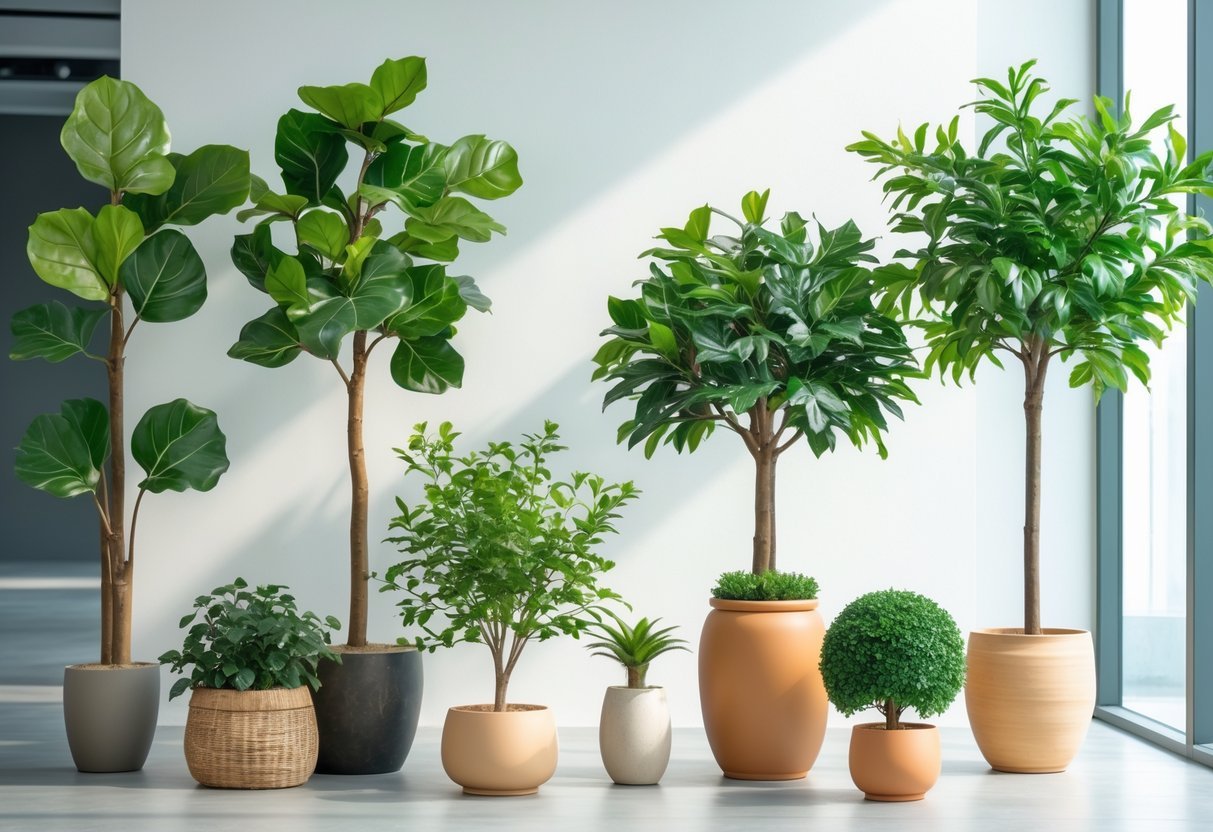
You want greenery that looks good every day without the work, and I get that. I’ve spent years around interiors where real plants struggled, and artificial trees solved the problem fast. They bring shape, colour, and height into a space without soil, sunlight, or constant care.
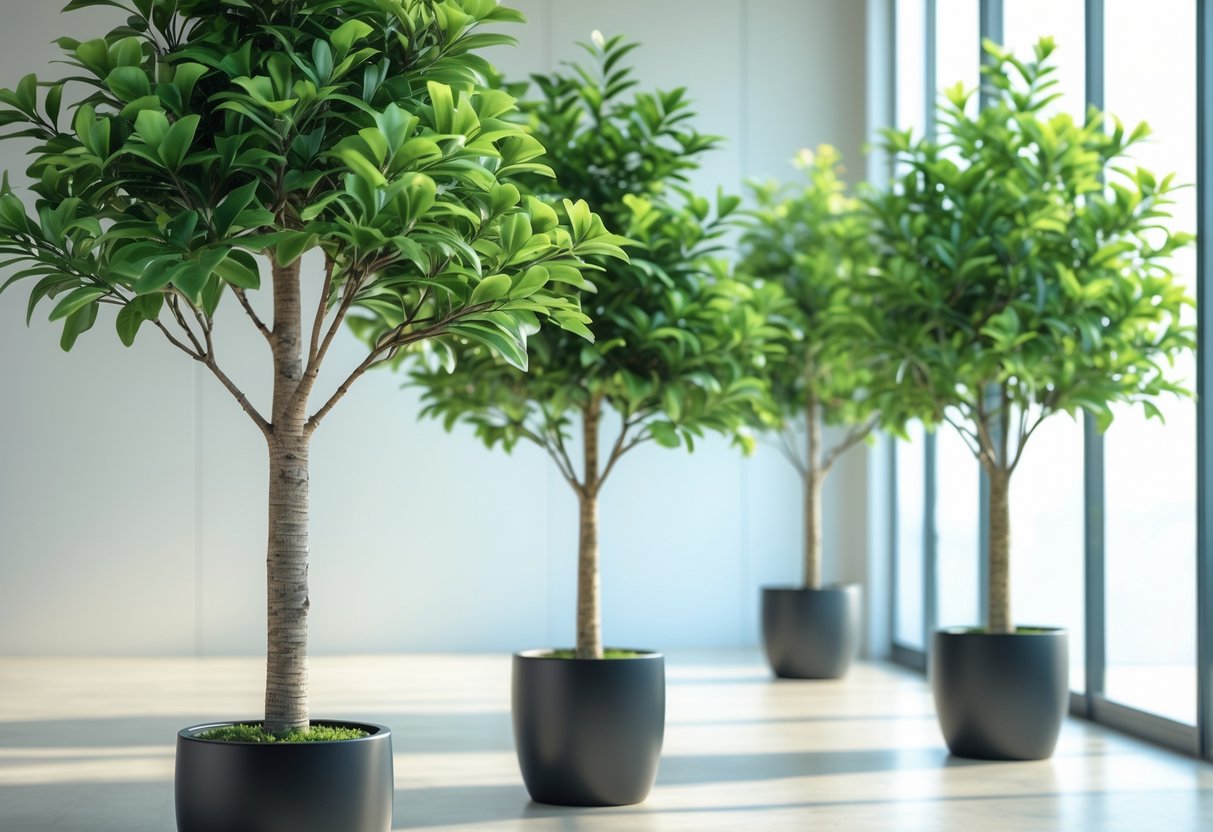
Artificial trees give you the look of real greenery with none of the ongoing maintenance, making them a practical choice for homes, offices, and commercial spaces. I rely on them when consistency matters and when a space needs life without adding chores. You can place them almost anywhere and expect the same appearance week after week.
I’ll walk you through what makes artificial trees worth considering, how different styles suit different spaces, and what actually matters when choosing one. You’ll also see how they fit naturally into modern Australian interiors without feeling fake or overdone.
Key Takeaways
- Artificial trees offer low-effort, consistent greenery.
- Different styles suit different spaces and layouts.
- Smart selection improves realism and visual impact.
Types of Artificial Trees
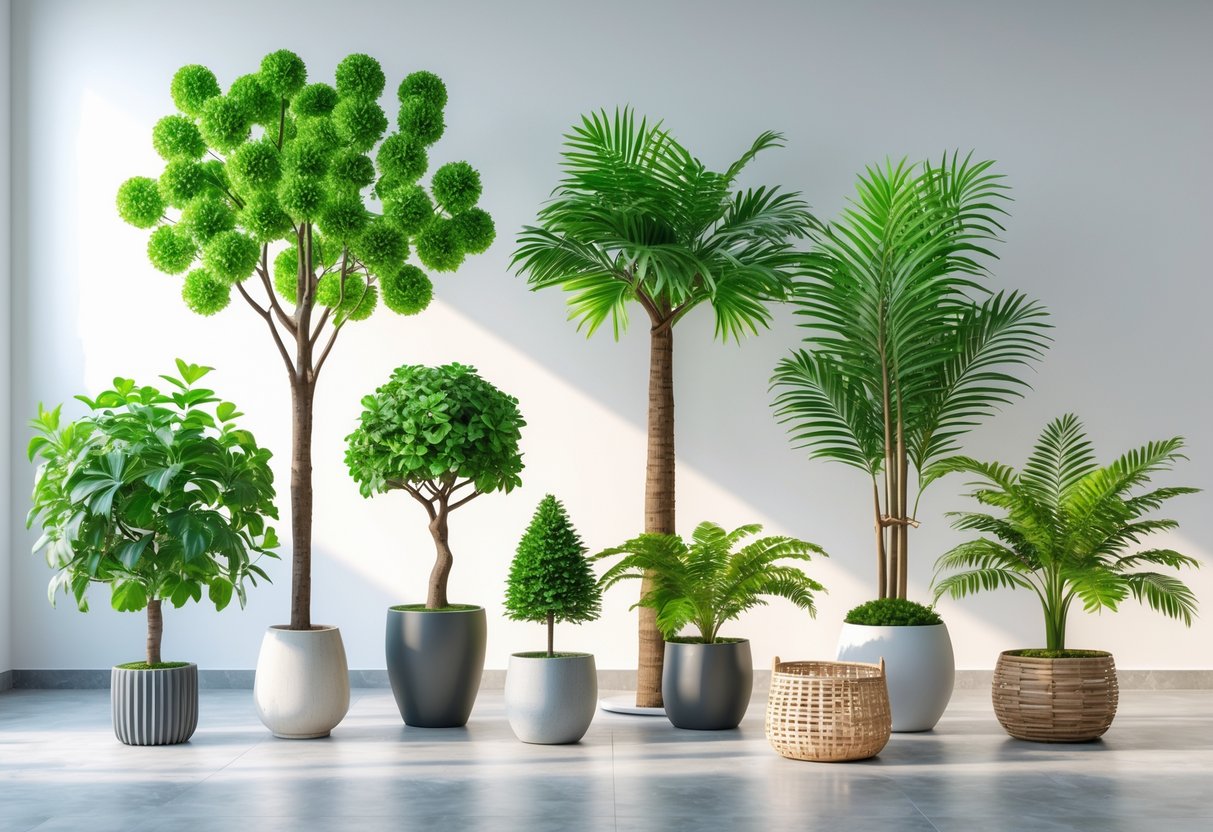
I see artificial trees used for very specific needs, from realistic indoor styling to filling large architectural spaces. Size, realism, and species choice shape how fake trees perform in homes, offices, and commercial interiors.
### Lifelike Artificial Trees
When realism matters, I look for lifelike artificial trees with accurate leaf shape, natural colour variation, and textured trunks. High‑quality models often use silk or advanced polymers for foliage, paired with moulded or real timber trunks.
These details reduce the “plastic” look that cheaper fake trees show up close. I find this especially important in living rooms, reception areas, and hospitality spaces where people sit nearby.
Many modern options focus on botanical accuracy, not just volume. This approach explains why designers increasingly rely on lifelike artificial trees for interior styling rather than generic greenery.
Key features I prioritise:
- Multi‑tone leaves
- Irregular branch spacing
- Matte finishes instead of shine
### Large Artificial Trees
I use large artificial trees to anchor open spaces where small plants disappear visually. These trees typically range from 1.8 to over 3 metres tall and work well in foyers, retail floors, and offices.
Scale matters more than density at this size. A well‑proportioned canopy reads cleaner than an overcrowded one, especially under strong lighting.
In commercial settings, architects often select palms, ficus, or olive trees because they provide height without blocking sightlines. This design logic shows up clearly in large artificial trees used in modern interiors.
I always check ceiling height, pot weight, and access paths before choosing a large tree.
### Small Fake Trees
A small fake tree suits shelves, desks, and compact rooms where floor space stays limited. I see these used most in apartments, bathrooms, and home offices.
Despite their size, quality still matters. Cheap models with thick stems and uniform leaves stand out quickly at eye level.
Materials like silk and high‑grade plastic perform best for small formats because they hold detail without stiffness. Many indoor decorative options follow this approach, as outlined in small artificial trees designed for interior spaces.
Common uses I recommend:
- Sideboards and consoles
- Bookshelves
- Workstations
### Popular Varieties
Certain species dominate the artificial trees market because they translate well into faux form. I see ficus, olive, palm, eucalyptus, and fiddle leaf fig used repeatedly across residential and commercial projects.
These varieties share simple leaf shapes and strong silhouettes, which helps fake trees look believable. Complex plants with fine or irregular foliage rarely convert as well.
Most artificial trees use silk, polyester, or plastic leaves, sometimes combined with natural wood elements for trunks. This mix explains why these species remain popular, as described in common artificial tree varieties and materials.
I choose the species based on room style first, not trends.
Popular Artificial Tree Varieties
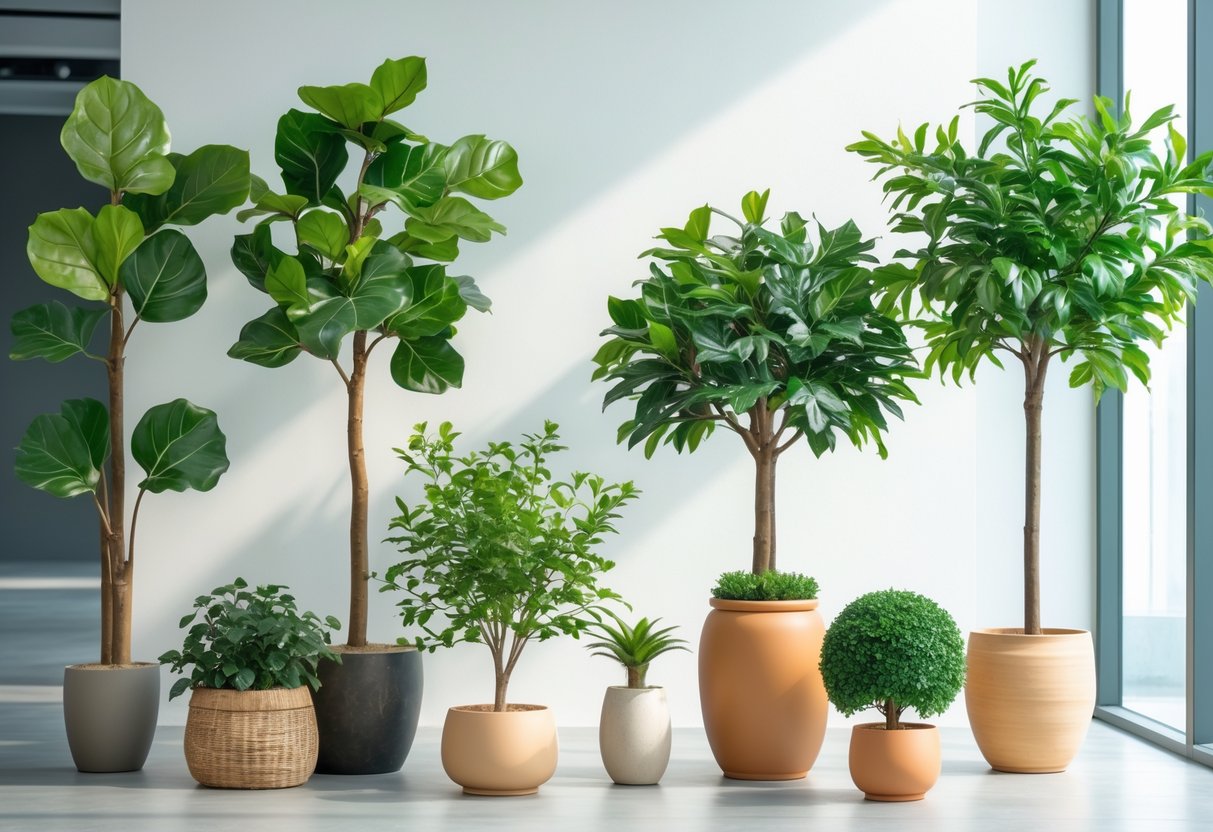
I see three artificial tree styles used most often in Australian homes and workplaces. Each suits different room sizes, light conditions, and design goals, while keeping maintenance close to zero.
Artificial Olive Tree
I often recommend an artificial olive tree when someone wants greenery that feels calm and structured. Olive trees have narrow leaves, soft grey‑green tones, and a natural shape that works well in living rooms and entryways.
Many high‑quality artificial olive trees use real timber trunks and flexible branches, which helps them hold a realistic form over time. They suit neutral interiors and Mediterranean or modern spaces.
Key points I look for:
- Slender leaves with varied colouring
- A visible, textured trunk
- Heights between 1.5 m and 2.1 m for indoor use
You can see common styles and sizing options in this range of artificial olive trees for homes and offices.
Artificial Palm Trees
Artificial palm trees work best when a space needs height and movement. I see them used often in open‑plan living areas, offices, and commercial settings where real palms would struggle indoors.
Palm varieties differ widely. Some have wide, fan‑shaped fronds, while others use long, arching leaves for a softer look. A good artificial palm spreads leaves evenly and avoids overly glossy finishes.
What I pay attention to:
- Stable base to support taller heights
- Natural leaf spacing, not tight clusters
- UV‑treated options for bright rooms
Retailers that focus on realism, like those offering hyper‑lifelike artificial palm trees, usually provide better long‑term value.
Faux Fiddle Leaf Fig
A faux fiddle leaf fig suits spaces where bold foliage matters more than height. I often suggest it for bedrooms, studies, and corners that need visual weight without crowding the room.
The large, violin‑shaped leaves define this tree. Quality versions vary leaf size, angle, and colour so the plant looks natural from every side.
Important features I check:
- Matte leaves with visible veining
- Branches that allow light shaping
- A balanced canopy, not top‑heavy
You can find examples of well‑proportioned designs in curated collections like these faux fiddle leaf fig and artificial tree options.
Benefits of Choosing Faux Trees
I choose faux trees when I want reliable greenery that looks good year after year. They remove daily care tasks, reduce health concerns, and keep their shape and colour with minimal effort. These benefits matter most in busy homes, offices, and shared spaces.
Low Maintenance and Convenience
I rely on artificial trees because they eliminate routine plant care. I never water, prune, fertilise, or treat pests. That saves time and avoids damage to floors or furniture from spills.
What I don’t need to do:
- Water or mist leaves
- Adjust light levels
- Clean fallen leaves or soil
Many modern designs focus on durability and realism. High‑quality options resist fading and hold their form in different indoor conditions, which makes artificial trees a practical, low‑maintenance option for long-term use. I move them easily between rooms without worrying about stress or recovery time.
Allergy-Friendly and Pet Safe
I prefer faux trees in spaces where health matters. They do not release pollen, spores, or strong plant scents, which helps reduce allergy triggers. That makes them suitable for bedrooms, clinics, and workplaces with shared air systems.
I also avoid risks to pets. Many real plants can irritate skin or cause illness if chewed. Faux trees remove that concern because they contain no sap or toxins. As decorative faux tree replicas, they focus on appearance rather than biological growth. I still place them securely, but I gain peace of mind knowing they won’t cause allergic reactions or plant-related harm.
Long-Lasting Beauty
I choose lifelike artificial trees because they keep a consistent look. Quality materials help them resist fading, bending, and humidity-related wear. Leaves stay evenly coloured, and branches hold their intended shape.
Manufacturers now use layered textures and realistic finishes to mimic natural growth patterns. Some premium designs even suit mixed environments with changing temperatures. Lifelike artificial trees built for durability maintain a polished appearance without seasonal decline. I get stable visual impact all year, which works well for long-term styling and permanent installations.
Styling and Decorating with Artificial Trees
I use artificial trees to add structure, soften hard edges, and bring consistent greenery into spaces that need balance. Placement, scale, and material quality matter most, whether I style indoors or outdoors. Small adjustments make fake trees look intentional rather than decorative fillers.
Indoor Decorating Tips
I start by matching the tree size to the room. Large artificial trees work best in corners, beside sofas, or near windows where real plants usually sit. A tall fiddle leaf fig or artificial olive tree anchors open-plan living areas without blocking movement.
I avoid overcrowding. One well-placed faux tree looks more realistic than several small ones grouped together. Neutral planters in ceramic, concrete, or woven finishes help fake trees blend with furniture rather than stand out.
For living rooms and home offices, I follow practical guidance from articles on how to style your living room with large artificial trees indoor. I also rotate trees seasonally to keep the space feeling fresh without buying new décor.
Outdoor Use and Weather Resistance
I only use artificial trees outdoors if they are clearly labelled UV-resistant. Sun exposure fades cheap foliage quickly, especially in Australian conditions. Artificial palm trees and dense faux shrubs handle outdoor light better than fine-leaf designs.
I place outdoor fake trees in covered patios, balconies, or entryways. These spots reduce wind stress and extend colour life. Drainage holes in planters prevent water build-up during heavy rain.
Design ideas from creative ways to use decorative trees in living spaces translate well outdoors when I adjust for scale and exposure. I keep outdoor arrangements simple to avoid an artificial look.
Creating Realistic Displays
I reshape branches every time I unpack or move a tree. Flat, symmetrical foliage gives away faux trees immediately. I bend stems unevenly and open the canopy to mimic natural growth.
Mixing textures improves realism. I pair smooth-leaf fake trees with rough materials like timber stools or stone planters. This contrast draws attention away from the foliage itself.
I follow advice on variety and placement from guides about bringing nature indoors with artificial trees. Combining heights, leaf shapes, and pot styles helps artificial trees feel intentional and lived-in rather than staged.
Selecting the Right Tree for Your Space
When I choose artificial trees, I focus on scale, species, and placement. These factors decide whether the tree looks intentional or feels out of place in the room.
Size and Proportion Considerations
I start with ceiling height and floor space because size sets the visual balance. A small fake tree works well on consoles, desks, or in corners where furniture already dominates. These trees add greenery without competing for attention.
For open layouts, I look at large artificial trees that reach at least two-thirds of the ceiling height. Taller trees anchor living rooms, lobbies, and stairwells, especially when paired with substantial planters. According to this artificial tree size guide for different rooms, undersized trees often disappear visually in large spaces.
I also check canopy width. Narrow trees suit walkways and tight corners, while fuller shapes need breathing room. I always leave at least 30–50 cm of clearance around the tree so it feels natural rather than crowded.
Choosing the Perfect Variety
I pick the tree variety based on the mood I want to create. An artificial palm suits bright, casual interiors and works well in sunrooms or near large windows. It introduces height without looking heavy.
For modern or Mediterranean-inspired spaces, I prefer artificial olive trees. Their muted leaves and irregular branching feel calm and structured. This guide on choosing artificial tree styles for your space highlights how olive trees complement minimal and neutral interiors.
If I want depth and richness, I choose trees with darker leaves like rubber or ficus styles. I avoid mixing too many species in one room, as consistency keeps the space visually settled.
Placement and Lighting
I place artificial trees where a real tree might realistically grow. Corners near windows, beside sofas, or at the edge of open areas usually work best. This approach aligns with advice from guides on displaying artificial trees indoors.
Lighting matters more than people expect. Soft natural light enhances leaf texture, while harsh downlights can flatten it. If the space lacks daylight, I position the tree near warm ambient lighting instead of spotlights.
I also rotate the tree slightly during setup. This helps hide uniform branches and creates a more organic silhouette.
Frequently Asked Questions
I focus on build quality, practical use, care, outdoor suitability, environmental impact, and fit for smaller rooms. These points help me compare materials, lifespan, placement, and maintenance without guesswork.
How can I tell if an artificial tree is of high quality?
I check the materials first, especially the leaves and trunk finish. Higher‑quality trees use durable plastics and detailed moulding, which many retailers explain in guides about what artificial trees are made of.
I also look at branch density and how the foliage attaches. Sparse gaps, visible seams, or brittle stems usually signal lower quality.
What are the benefits of choosing an artificial tree over a natural one?
I choose artificial trees for consistency and low effort. They keep their shape year‑round and need no watering, pruning, or light, which suits busy homes and offices.
They also work well in areas where real plants struggle, such as dim interiors or rentals. Many home décor guides note these advantages when comparing fake trees with living plants, including year‑round greenery without maintenance.
How do you properly maintain and clean an artificial tree?
I dust the leaves every few weeks using a microfibre cloth or a soft brush attachment. This prevents dull build‑up and keeps the colour even.
For deeper cleaning, I wipe leaves with a damp cloth and mild soap, then let them air dry. Retailers often outline safe methods in artificial plant care FAQs.
Can artificial trees be used outdoors, and how do they withstand the elements?
I only use trees labelled for outdoor use outside. These usually include UV‑resistant coatings and sturdier frames to reduce fading and cracking.
Even then, I place them under cover when possible. Wind, direct sun, and heavy rain shorten the lifespan of most artificial materials.
Are there eco-friendly options available for artificial trees?
I look for trees designed for long‑term use rather than single seasons. Using one tree for many years reduces waste compared with frequent replacements.
I also consider environmental trade‑offs discussed in articles on the environmental impact of artificial trees. These explain how plastics and metals affect sustainability over time.
What should I look for when choosing an artificial tree for a small space?
I measure ceiling height and floor width before buying. Slim or pencil‑style trees fit tight corners without blocking walkways.
I also prefer lighter frames that are easy to move. Smaller trees with flexible branches let me adjust the shape to suit narrow rooms.