
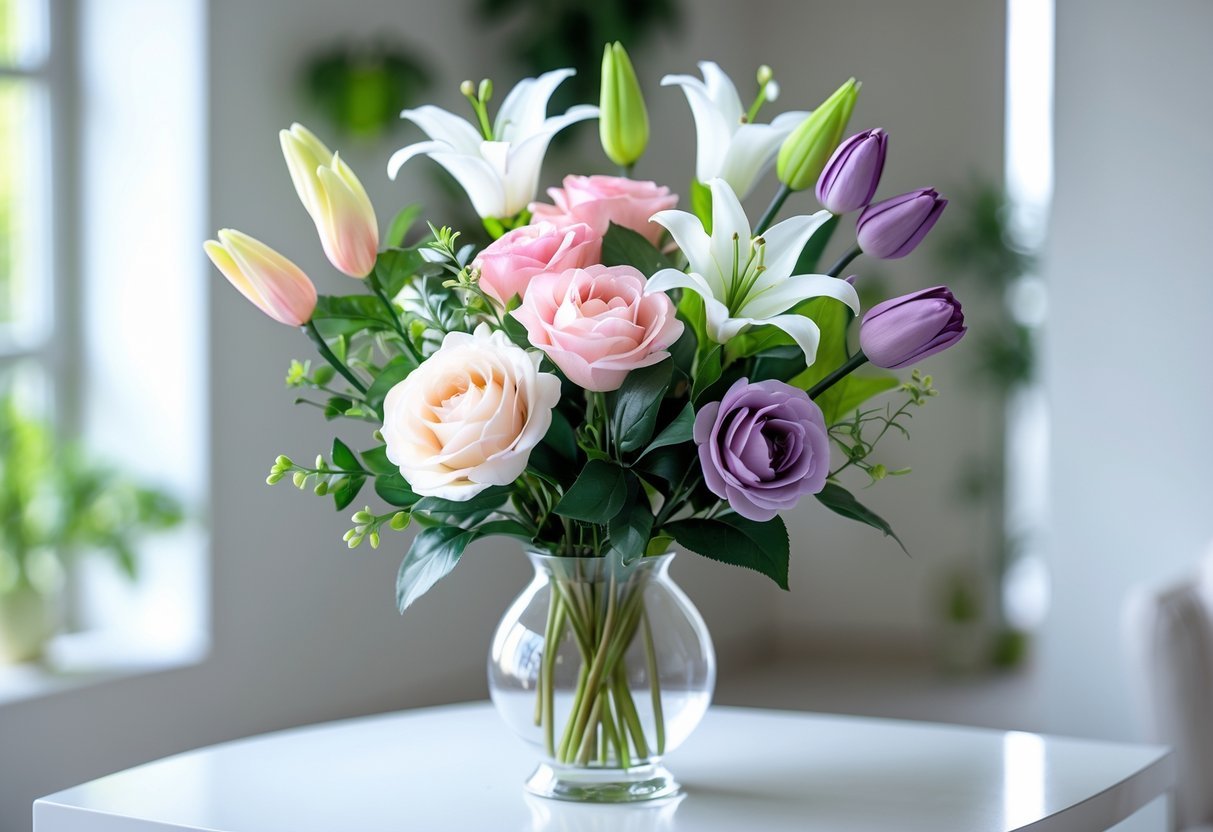
You want flowers that look real, stay perfect, and never need water. Artificial silk flowers give you lifelike colour and texture without wilting, shedding, or seasonal limits. I see them used everywhere from homes and offices to weddings and shop displays.
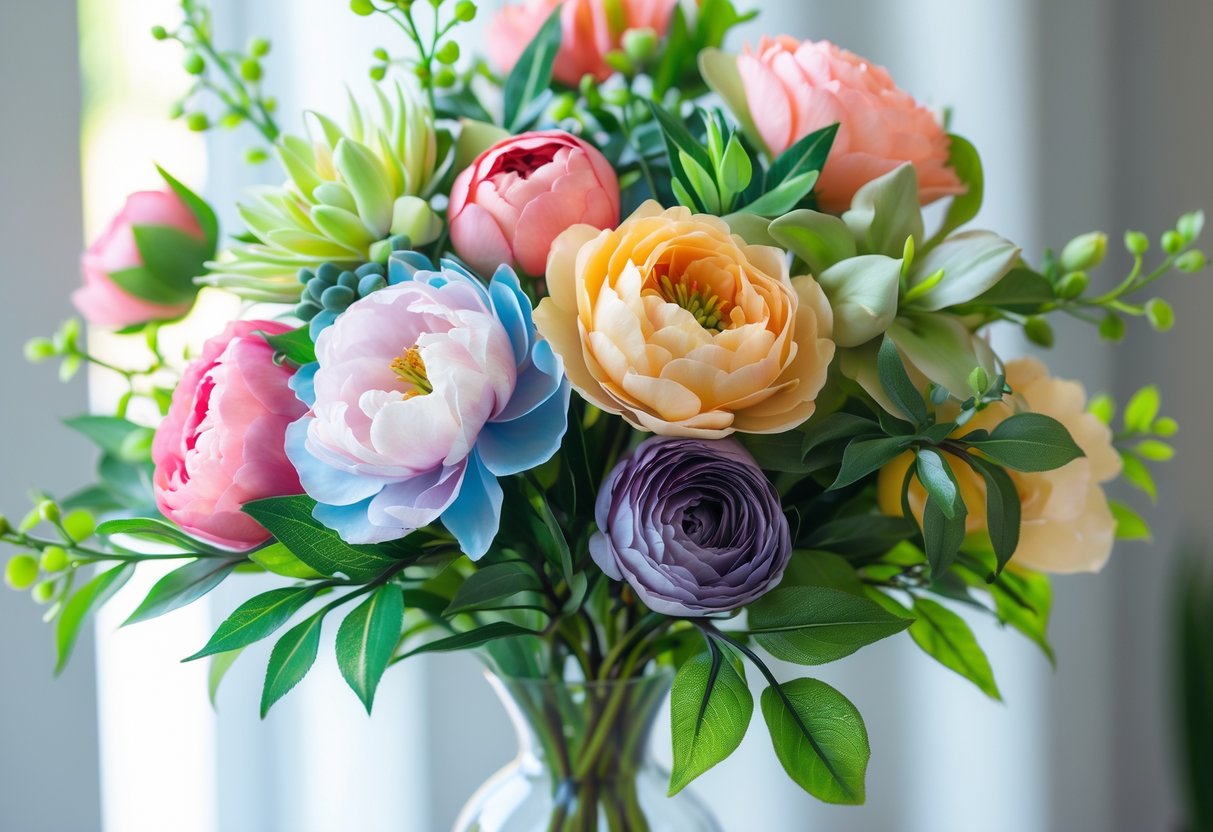
I like how they solve common problems straight away. You avoid allergies, reduce ongoing costs, and place them anywhere without worrying about light or temperature. I also notice how modern designs closely match real blooms in shape and feel.
If you want lasting style with minimal effort, artificial silk flowers make sense. I’ll walk through how they work, where they fit best, and what to look for so you can choose with confidence.
Key Takeaways
- Artificial silk flowers offer realistic design with low maintenance
- They suit everyday spaces as well as special events
- Smart choices depend on material quality and intended use
What Are Artificial Silk Flowers?
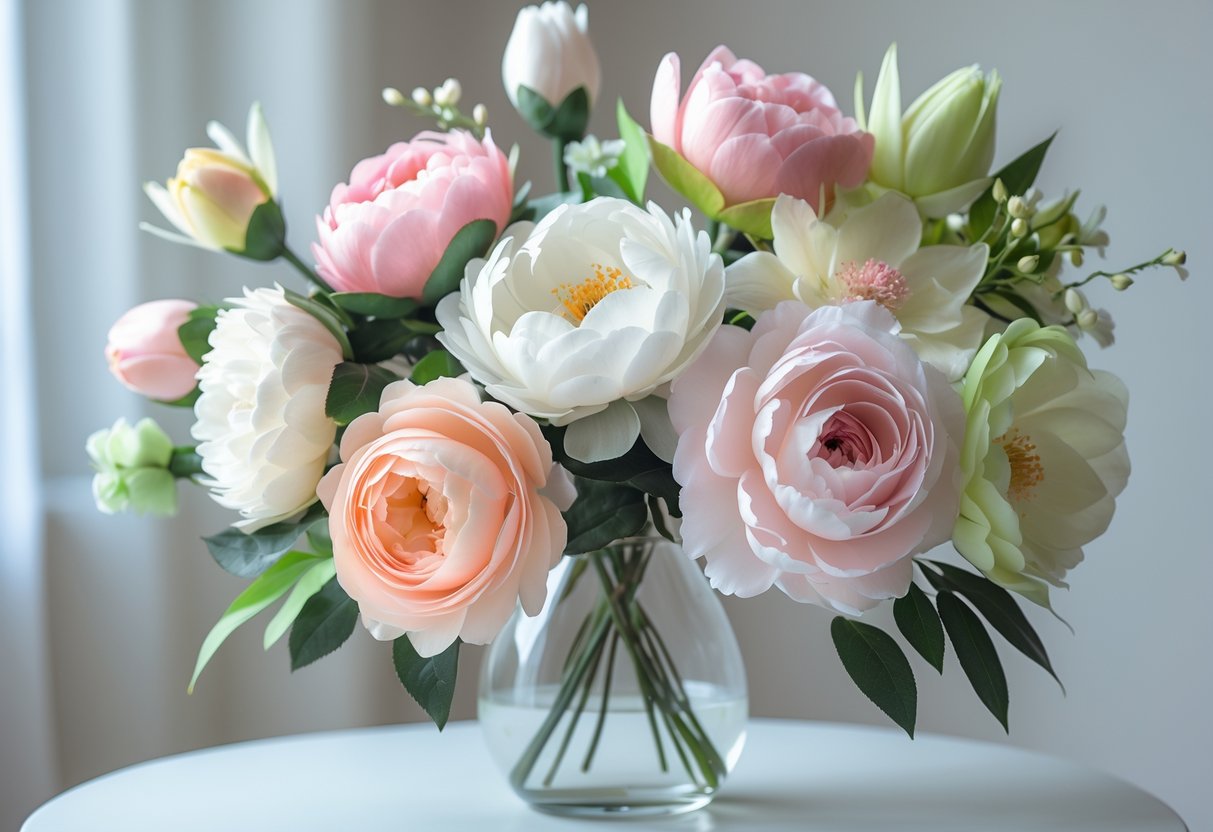
I use the term artificial silk flowers to describe premium artificial flowers designed to closely copy the look of a real flower. Manufacturers focus on fabric quality, petal shape, and colour accuracy to achieve a natural appearance that works for home décor, events, and commercial displays.
How Artificial Silk Flowers Are Made
Manufacturers start by cutting fine fabric, usually polyester rather than real silk, into petal and leaf shapes. They mould each piece with heat or pressure to create veins, curves, and soft edges that resemble a real flower.
Assemblers then layer the petals by hand or machine around a central stem. They add colour using dye baths or airbrushing to create realistic shading and variation.
Modern production techniques evolved from early methods described in the history of silk flower manufacturing. This approach explains why many silk flowers now look convincing even at close range.
Key Differences Between Silk Flowers and Other Artificial Flowers
All silk flowers fall under the broader category of artificial flowers, but material choice and finish set them apart. Silk flowers usually focus on realism, while other artificial flowers often prioritise durability or low cost.
| Feature | Silk Flowers | Other Artificial Flowers |
|---|---|---|
| Common materials | Polyester, silk-like fabric | Plastic, nylon, latex |
| Texture | Soft, fabric-based | Firm or rubbery |
| Typical use | Styling, events, interiors | Outdoor décor, budget displays |
I rely on the distinctions outlined in explanations of silk flowers vs artificial flowers to clarify why silk flowers often cost more but look more refined.
Popular Flower Types Used for Artificial Silk Flowers
Designers choose flower varieties with layered petals because fabric captures depth and softness well. The rose remains the most popular option due to its recognisable shape and colour range.
I also see strong demand for hydrangea, which works well in silk because clustered petals hide stems and joins. Chrysanthemum and dahlia designs suit artificial silk flowers too, as their dense petal structures translate cleanly into fabric form.
Retailers often group these styles under premium collections, similar to those described in guides on what are silk flowers. This focus helps buyers choose flowers that look natural without ongoing care.
Benefits of Choosing Artificial Silk Flowers
I choose artificial silk flowers when I want consistent visual appeal, dependable performance, and minimal effort. They offer convincing detail, hold their shape for years, and remove routine care tasks without sacrificing style.
Realistic Appearance and Lifelike Qualities
I notice how modern silk flowers closely match the structure and colour variation of a real flower. Manufacturers shape petals with fine veining, soft edges, and layered forms that reflect botanical accuracy. Careful dyeing avoids flat colour and adds natural-looking gradients.
Quality production techniques explain why many people mistake them for fresh stems. Processes used in crafting silk artificial flowers with realistic detail focus on material selection and precision assembly, which improves texture and proportion.
Key details I look for include:
- Matte-to-soft sheen petals, not glossy finishes
- Flexible stems that hold a natural curve
- Leaf variation, including slight size and tone differences
These features help artificial flowers blend naturally into home or commercial spaces.
Longevity and Durability
I rely on artificial silk flowers because they maintain their appearance over time. Unlike fresh arrangements, they do not wilt, bruise, or shed petals due to temperature changes or handling. This durability makes them practical for permanent displays.
Many designs use reinforced stems and fade-resistant fabrics. As outlined in the long‑lasting benefits of silk flowers for everyday use, these features support repeated use across different settings without visible wear.
For comparison:
| Feature | Fresh Flowers | Artificial Silk Flowers |
|---|---|---|
| Lifespan | Days to weeks | Years with basic care |
| Sensitivity | Heat, cold, handling | Low |
| Replacement cost | Ongoing | One-time |
This reliability suits workplaces, rentals, and event styling.
Low Maintenance and Easy Care
I appreciate how little effort artificial flowers require. They do not need water, trimming, or special storage between uses. Occasional dusting or a gentle wipe keeps them looking clean.
This simplicity also supports more sustainable habits. Using artificial arrangements reduces waste linked to disposal and frequent replacement, which aligns with the environmental points raised in why silk flowers support sustainable decorating choices.
Maintenance basics stay straightforward:
- Light dusting every few weeks
- Avoid prolonged direct sunlight
- Store loosely to prevent crushing
That routine keeps silk flowers looking consistent with minimal time investment.
Artificial Silk Flowers for Weddings and Events
I often recommend artificial silk flowers when couples want consistent styling, predictable costs, and flowers that look fresh all day. They work well for ceremonies, receptions, and styled photos, especially when colour matching and durability matter.
Artificial Wedding Flowers Trends
I see artificial wedding flowers moving toward realistic textures and softer colour palettes. Real-touch finishes now appear on popular blooms like rose, hydrangea, and dahlia, which helps arrangements photograph well in natural light.
Neutral bases with muted accents dominate current designs. Think ivory roses paired with dusty foliage or pale hydrangea with layered greenery. Many couples choose full floral packages rather than single pieces, which keeps styling consistent across the venue. Australian retailers such as artificial wedding flower specialists focus on ready-to-order collections that reduce planning time without limiting style.
Sustainability also shapes decisions. Reusable florals suit destination weddings, outdoor venues, and events with tight setup windows.
Silk Bridal Bouquet Inspiration
When I design a bridal bouquet, I start with shape and scale before colour. Silk flowers hold structured forms well, making them ideal for rounded or cascading designs.
Popular combinations include:
- Rose and hydrangea for classic, full bouquets
- Dahlia-focused arrangements for depth and texture
- Mixed florals with subtle foliage for relaxed styles
Silk allows precise colour control, which helps when matching dresses or bridal party outfits. Stores like silk bridal bouquet designers offer custom options, so I can adjust stem length, density, and palette without seasonal limits. Bouquets also stay lightweight, which matters during long ceremonies and photo sessions.
Popular Choices for Event Decor
For events, I prioritise flexibility and visual consistency. Artificial silk flowers suit repeated setups across large spaces.
Common event uses include:
| Application | Preferred Blooms | Reason |
|---|---|---|
| Centrepieces | Rose, hydrangea | Balanced shape, easy reuse |
| Ceremony arches | Mixed florals | Visual impact from distance |
| Aisle markers | Single-stem designs | Clean and uniform look |
Wholesalers such as artificial flowers for wedding decor stock coordinated ranges, which helps me scale designs without colour variation. Silk arrangements also handle transport well, making them practical for multi-location events across Australia.
Types and Varieties of Artificial Silk Flowers
I see clear differences across popular artificial flowers based on shape, texture, and intended use. Some styles suit formal displays, while others work better for relaxed home décor or seasonal styling.
Silk Roses
I often recommend silk roses because they suit almost any setting and come in consistent shapes and colours. Manufacturers design petals with layered construction and soft edges to mimic real rose blooms, which helps them photograph well and hold their form.
Many ranges include classic reds, blush pinks, whites, and muted neutrals. Some also offer open and closed bud options, which helps when building realistic arrangements. Several suppliers carry extensive rose selections within broader silk flower collections in Australia, making it easy to match size and stem style across displays.
I find silk roses work well for weddings, long-term centrepieces, and spaces where fresh flowers would wilt quickly.
Hydrangeas and Chrysanthemums
Hydrangea and chrysanthemum silk flowers focus on volume rather than individual petals. Each stem typically features dense clusters that fill space quickly, which makes them practical for large arrangements or feature vases.
Hydrangeas suit soft, rounded designs and often appear in pastel blues, greens, and whites. Chrysanthemums offer tighter, structured forms that work well in modern interiors. I like using them to add texture without needing many stems.
Advances in materials mean these flowers now look far more natural than older versions. Retailers note how modern production has improved realism across high quality artificial silk flowers, especially for layered blooms like these.
Dahlias and Other Decorative Blooms
Dahlias stand out for their geometric petal patterns and bold presence. I use them when I want a focal flower that draws attention without overwhelming an arrangement. Silk dahlias often feature firm petals and strong colour saturation, which helps them keep their shape over time.
Other decorative blooms include peonies, orchids, and frangipani. Each offers a distinct profile, from soft and full to tall and sculptural. Many suppliers group these styles together because they suit statement arrangements and styled spaces.
I’ve found a wide mix of decorative options across artificial flower ranges with varied styles, which helps when building custom displays with contrast and depth.
Seasonal and Specialty Selections
Seasonal silk flowers let me change décor without ongoing maintenance. Spring styles often include tulips and cherry blossoms, while autumn ranges focus on warmer tones and textured petals. These designs usually follow current colour trends, which keeps displays feeling up to date.
Specialty selections also cover native-inspired flowers, tropical blooms, and themed collections for events. I see these used often in retail, offices, and hospitality spaces where consistency matters.
Wholesale suppliers across Australia stock broad seasonal ranges of everlasting and artificial flowers. This makes it easier to refresh displays throughout the year without replacing entire arrangements.
Buying Tips and Shopping Advice
I focus on build quality, realistic details, and clear delivery terms when I shop for artificial silk flowers. Price matters, but materials, bulk options, and shipping reliability affect value more than a small discount.
How to Select Quality Silk Flowers
I check materials first because modern silk flowers rarely use real silk. High-quality options use polyester blends, fabric coatings, and occasional latex touches to improve texture and colour depth, as explained in guides on what artificial silk flowers are really made from.
I look for wired stems and leaves, which let me adjust shape without creasing. Paint quality matters too. Petals should show subtle colour changes, not flat tones, which many experts note when discussing how to choose high-quality silk flowers that look real.
Before buying, I scan close-up photos and product dimensions. Realistic artificial flowers usually list stem length, bloom size, and material composition.
Quick quality checklist
- Even stitching and glued joins hidden from view
- Matte or satin finishes instead of shiny fabric
- Botanical accuracy in petal shape and leaf veining
Wholesale and Discount Options
When I need volume, I consider wholesale or bulk packs. Buying silk flowers by the bush often costs less than individual stems, a common approach outlined in guides to buying silk flowers in bulk.
I watch for seasonal discounts rather than permanent markdowns. Short-term sales usually signal stock turnover, not quality issues. For weddings or large displays, I compare per-stem pricing across bundles.
| Option | Best For | Cost Control |
|---|---|---|
| Bulk bushes | Large arrangements | Lower per stem |
| Mixed bundles | Variety | Fewer duplicates |
| Clearance lines | DIY projects | Deeper discounts |
Shipping and Delivery Information
I always check shipping details before checkout. Artificial flowers can crush easily, so packaging quality matters as much as speed. Reputable sellers explain how they pack stems and blooms, which many buying guides stress when discussing tips for buying silk flowers online.
Delivery timeframes vary, especially for wholesale orders. I confirm dispatch locations to avoid surprise delays or import fees.
I also read return policies closely. Clear rules on damaged items save time if flowers arrive bent or marked, even with careful shipping.
Frequently Asked Questions
I often get asked about realism, care, durability, quality, styling, and sustainability when it comes to artificial silk flowers. These answers focus on materials, construction details, maintenance steps, and practical design choices.
How can I tell if an artificial flower looks realistic?
I look first at petal shape and colour variation, because real blooms never look perfectly uniform. High-quality options use layered petals, natural colour gradients, and soft-touch finishes similar to those described in realistic artificial flower FAQs.
Stems also matter. I check for wired stems with a slight bend and subtle texture rather than smooth plastic.
What’s the best way to clean faux silk blooms?
I usually remove surface dust with a soft makeup brush or a clean, dry cloth. For deeper cleaning, I lightly dampen a cloth with water and gently wipe the petals, which aligns with common care advice in this faux and silk flower care guide.
I let them air dry completely before putting them back on display. I avoid soaking them, as excess moisture can loosen glue.
Can artificial flowers be used outdoors without fading?
Some artificial flowers suit outdoor use, but I only choose ones labelled UV-resistant. Without UV protection, colours can fade over time, which many retailers explain in their artificial flower FAQs.
I also place them in covered areas like patios or balconies. This reduces sun and weather exposure.
What should I look for when choosing high-quality fake flowers?
I pay attention to materials first, since modern artificial flowers usually use advanced synthetic fibres rather than real silk, as explained in this overview of how silk flowers are made today. The petals should feel soft and flexible, not stiff.
I also inspect joins where petals meet stems. Clean construction usually signals better durability and appearance.
How do I arrange artificial flowers in a vase for a natural look?
I start by varying stem heights so the arrangement does not look flat. I bend wired stems slightly and avoid perfect symmetry.
I also mix flower sizes and add a little artificial greenery. This creates depth and mirrors how fresh arrangements naturally sit.
Are there eco-friendly options for artificial silk flowers?
I look for brands that focus on long-lasting designs to reduce replacement waste. Some suppliers highlight durability and reuse as a sustainability benefit in their artificial flower guides.
I also reuse arrangements across seasons or rooms. This simple habit lowers overall consumption without sacrificing style.