
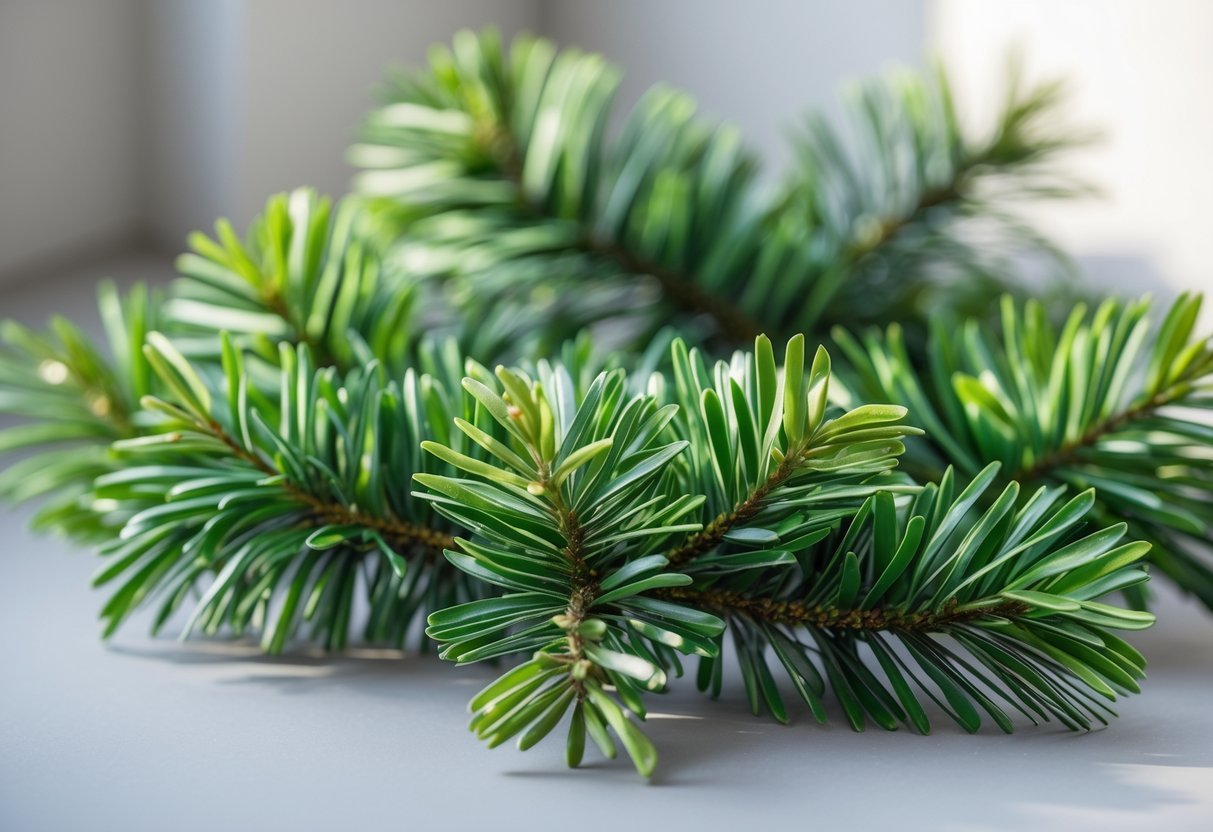
I’ve always been drawn to the timeless look of pine in home décor, but I’ll admit the mess of falling needles and regular upkeep made me hesitant. Artificial pine branches offer a realistic, mess-free alternative that can be used for various decorating ideas, from Christmas arrangements to everyday greenery accents. They’re available in a range of styles and closely mimic the colour and shape of real pine, making them a smart option for anyone wanting to keep their home fresh all year round.
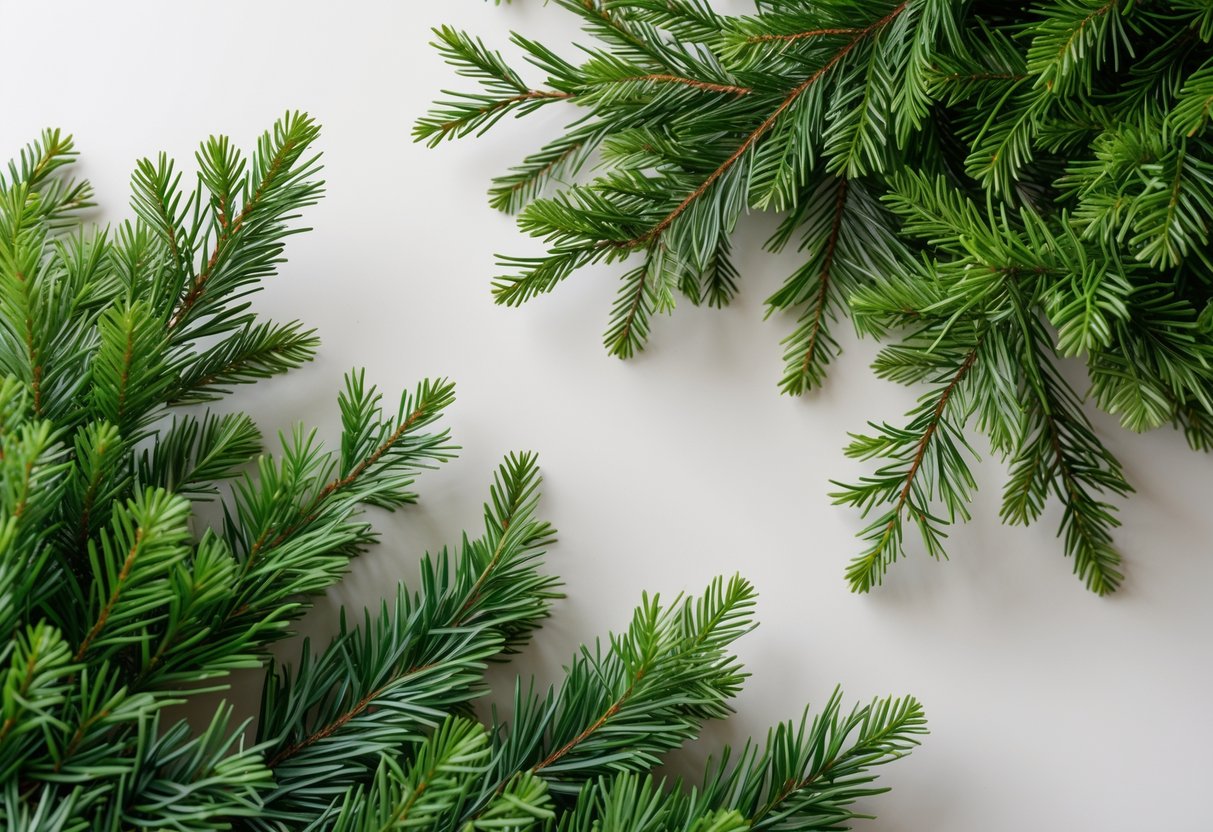
With advancements in materials and design, these faux branches look more natural than ever and are surprisingly easy to care for. If, like me, you love easy DIY projects or want to spruce up your seasonal décor, artificial pine branches make it simple to experiment without committing to constant maintenance. Whether you’re decorating a wreath, dressing up a mantle, or crafting centrepieces, these branches can be reused year after year and look great no matter the occasion.
Key Takeaways
- Artificial pine branches look realistic and need little maintenance
- They’re ideal for all kinds of decorating and craft projects
- You can enjoy the look of pine year-round without the mess
What Are Artificial Pine Branches?
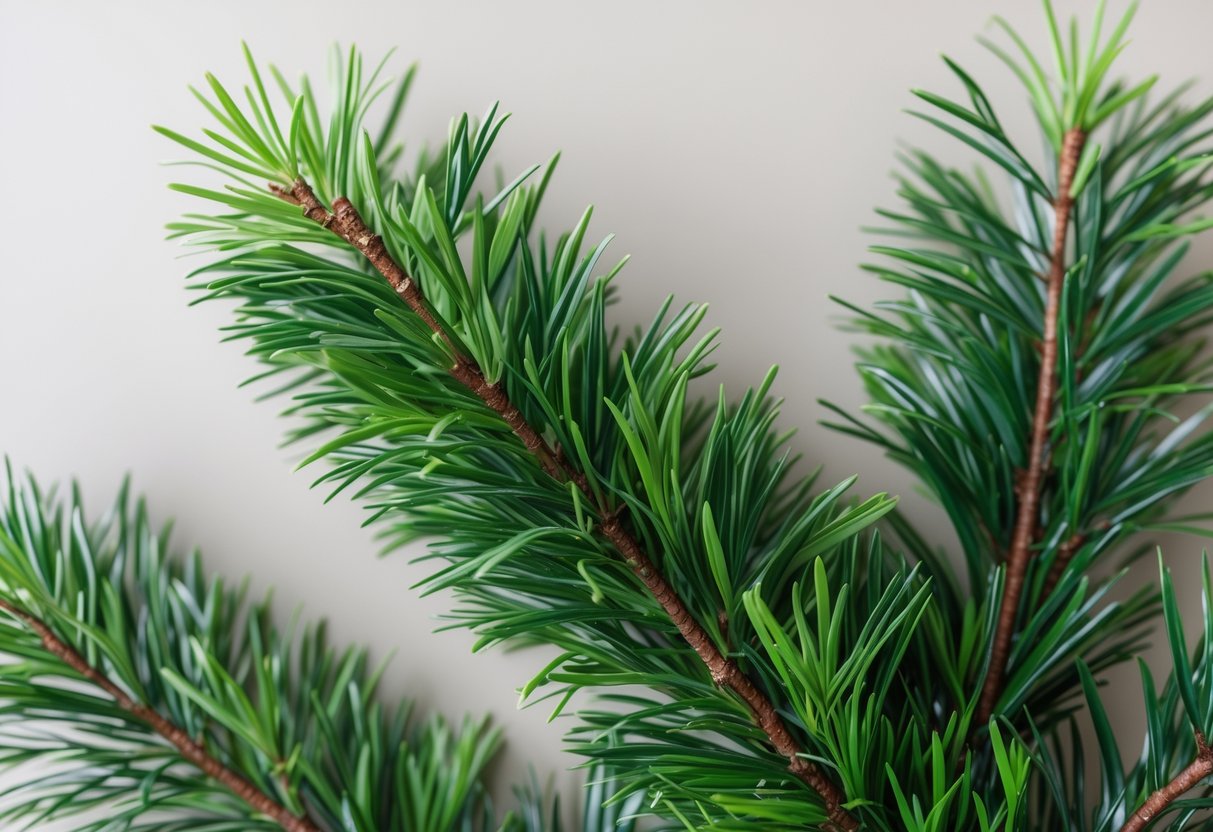
Artificial pine branches are widely used both for festive decor and in year-round displays. They offer the classic look of natural pine without the maintenance, mess, or allergens of the real thing. I find that they’re a practical solution for many homes and businesses.
Definition and Characteristics
When I talk about artificial pine branches, I’m referring to decorative items crafted to resemble real pine tree limbs. These branches are typically made from materials like plastic, wire, or polyester blends. The needles might be soft or rigid, and high-quality versions often mimic the look and texture of true pine, with features like clustered needles and realistic colouring.
Not only do artificial pine branches retain their shape for years, but they’re also lightweight and flexible. Many feature a wire core, which makes shaping and arranging them easy for DIY projects or event styling. Because they’re not alive, they don’t require water, sunlight, or special care, which makes them a convenient choice, especially for people with allergies to real pine.
Types of Artificial Pine Branches
There’s a surprising amount of variety in artificial pine branches. I’ve seen options ranging from individual sprigs to full, branching stems meant to fill out Christmas trees or wreaths. Some include extras like imitation pinecones, berries, or even snow-dusted tips for a particular holiday feel.
Common types include:
- Basic Green Sprigs: Simple green needles, used for filling gaps or subtle accents.
- Flocked or Frosted Pine: Branches with a snowy appearance, perfect for winter themes.
- Pre-lit Options: Branches with small LED lights woven through for automatic sparkle.
- UV-Resistant Outdoor Varieties: Designed to handle sun and wet weather without fading, like those made by Commercial Silk.
Each type serves a different decorating need, whether for indoor arrangements or more heavy-duty outdoor use.
Comparison to Real Pine Branches
The most noticeable difference between artificial and real pine branches is maintenance. I never have to sweep up dropped needles from artificial branches, and they don’t need any watering or trimming. Real pine branches provide a natural scent and organic variation that’s hard to fully imitate, but artificial options have made great strides in realism. High-quality designs often have detailed needles, woody-looking stems, and accurate colouring to create a more convincing effect.
With artificial pine branches, I can reuse decorations year after year without worrying about them decaying or going brittle. They’re also safer in terms of fire risk, especially around lights or candles, compared to the dried-out natural versions. For those wanting a lifelike appearance with less fuss, artificial pine branches offer a durable and practical alternative to real pine.
Materials and Manufacturing Processes
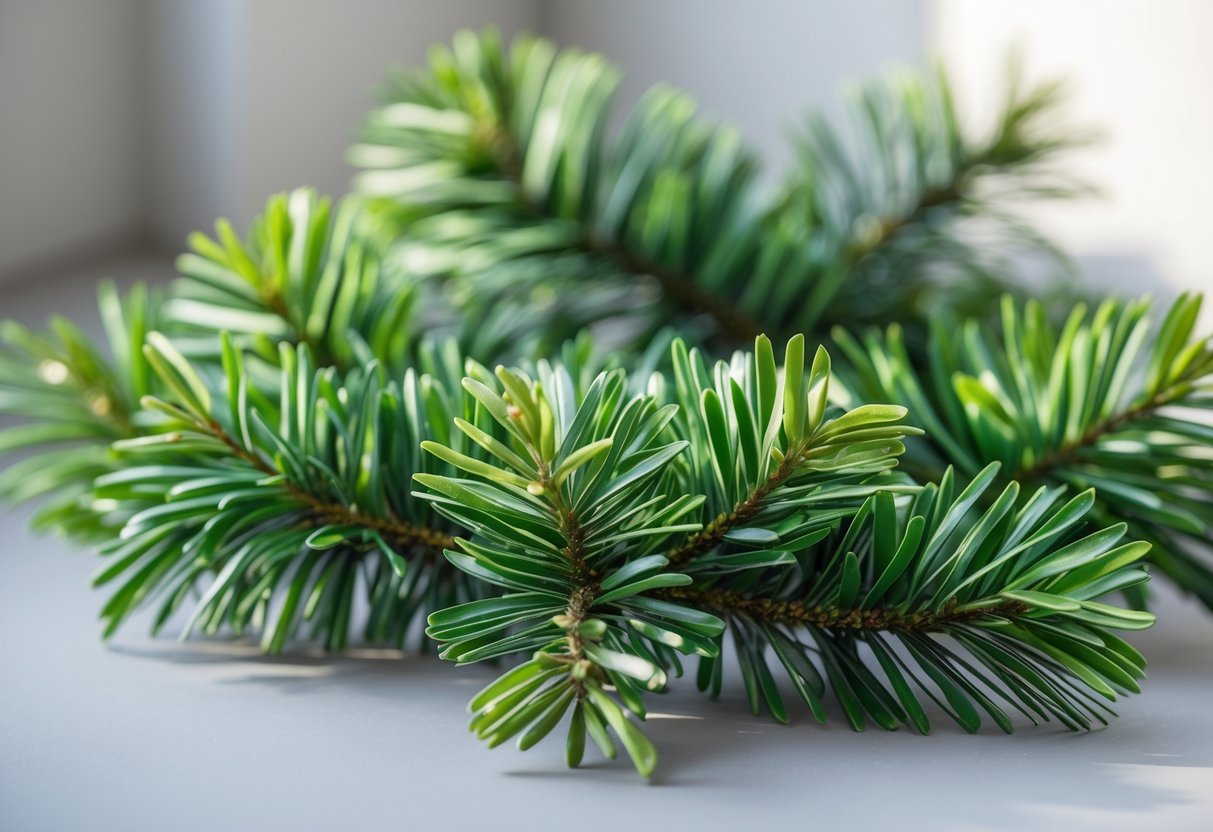
When I take a closer look at artificial pine branches, I see that durability, realism, and safety all depend heavily on the materials and methods chosen during production. The selection of base materials, the way needles and stems are formed, and health considerations all affect the quality of the finished product.
Common Materials Used
The foundation of most artificial pine branches is a mix of plastics and wire. Polyvinyl chloride (PVC) and polyethylene (PE) are widely used for the needles. Both allow for realistic texture, structure, and colour, providing that familiar pine look. PE, in particular, is valued because it feels softer and can mimic the irregular shapes seen on natural branches.
For structure, manufacturers often use metal wire as a flexible core. This wire helps each branch keep its shape and can be adjusted to suit different decorative needs. Strong adhesives and colourfast paints are added to further enhance realism and longevity.
Below is a table summarising these materials:
| Material | Common Use | Notable Benefit |
|---|---|---|
| PVC | Needles & foliage | Cost-effective |
| PE | Ultra-realistic needles | Soft, lifelike look |
| Metal wire | Branch structure | Adjustable, strong |
| Paint/adhesive | Detailing, assembly | Realistic colour |
How Artificial Pine Branches Are Made
Making artificial pine branches is a hands-on blend of engineering and artistry. The first step involves shaping needles using heated moulds or extruders, mainly for PVC or PE components. These needles are then attached to wire stems either by twisting or gluing, depending on the design.
Each segment is assembled by hand or with machines for more complex arrangements. Manufacturing processes also use detailed colour application to mimic the subtle shades found in real pine. Manufacturers pay close attention to matching branch angles, needle density, and even the slight asymmetry of natural pine boughs to keep the finished product believable. For an in-depth look at the steps involved, I found this detailed guide on artificial tree manufacturing helpful.
Safety and Non-Toxicity Considerations
Safety is something I never overlook with artificial decor. The most reliable artificial pine branches are made from non-toxic, lead-free plastics and use dyes that don’t easily flake or leach. Many top-quality branches meet recognised safety standards for indoor use, helping to reduce concerns about exposure to harmful chemicals.
I always check for products labeled as flame-retardant, especially if I’m styling them around lights or heat sources. Some manufacturers go further with eco-friendly materials, lowering the emission of volatile organic compounds (VOCs) during production. For details on what sets safe, high-quality branches apart, I recommend this overview of material standards and durability in artificial pine branches.
Decorating with Artificial Pine Branches
Decorating with artificial pine branches lets me bring the beauty of nature into my home while staying low-maintenance. I love how versatile these branches are—they’re perfect for home décor, festive arrangements, and hands-on crafty projects.
Home Décor Ideas
I like to use artificial pine branches to freshen up rooms any time of the year. They add a natural element without worrying about wilting or watering. Sometimes, I display them in tall vases for a striking focal point. Arranging them this way brightens corners and shelves.
For smaller spaces, I place single branches in ceramic jars or hang short bundles above doorways. Textures matter—a mix of pine with faux eucalyptus or berry stems really stands out. I also use pine garlands on mantels or around mirrors. If I want to go a step further, I twist in fairy lights for a soft glow, especially in living rooms or entryways. Inspiration abounds, and I regularly refer to ideas for decorating with pine branches to spark new arrangements.
Holiday and Seasonal Arrangements
During Christmas, artificial pine branches become my go-to material for wreaths, table centrepieces, and staircase railings. I combine pine with classic baubles and velvet bows for a timeless look. These branches make it easy to create both full wreaths and slim, modern arrangements. Not just for Christmas, I also like to use them in autumn and spring by mixing them with colourful faux leaves or fresh flowers. Their flexibility lets me refresh my holiday décor each year without starting from scratch.
I’ve learned useful tricks for making artificial branches look natural. For example, varying heights and adding a bit of asymmetry gives arrangements a relaxed, realistic vibe. Even when space is limited, a mini pine bouquet on a side table brings festive cheer without taking over. For practical tips, I’ve found it helpful to read about how to decorate with artificial branches.
DIY Craft Projects
Artificial pine branches are a dream for craft lovers like me—they’re sturdy, reusable, and hold their shape well. I often use them to make my own garlands, wreaths, and even table runners. For a truly personal touch, I like to pair pine with handmade ornaments, dried citrus, or ribbons. Mini Christmas trees crafted from cut branches add charm to desks or kids’ rooms.
Some of my favourite projects involve upcycling scraps into napkin rings or gift toppers. Because these branches are flexible, I can twist or bend them as needed, which opens up heaps of creative possibilities. Crafting with faux pine means the decorations last year after year, making them both cost-effective and satisfying to create. For more inspiration and step-by-step projects, I sometimes browse through creative ideas using artificial pine branches.
Benefits of Choosing Artificial Pine Branches
When I choose artificial pine branches for decorating or crafting, I notice several practical benefits right away. The combination of robust construction, simple upkeep, and affordable options stands out for anyone wanting lasting value without constant fuss.
Longevity and Durability
What impresses me most about artificial pine branches is how well they hold up over time. Unlike real pine, which tends to shed needles and can become brittle, high-quality faux options keep their shape and colour for years. I’ve seen branches made with plastic and wire that maintain a consistent look from season to season.
Real pine can struggle in certain conditions, but artificial branches withstand varying temperatures and humidity without warping or cracking. This longevity means I can reuse them for multiple years, whether for festive decorations or general home styling. No dropping needles or fading to worry about, which makes storage and future use hassle-free.
Many artificial branches feature UV-resistant materials, making them suitable for indoor or even limited outdoor displays. I don’t have to replace them often, so they provide a stable and reliable option for anyone wanting lasting greenery.
Low Maintenance
The ease of caring for artificial pine branches makes them a practical solution for busy lifestyles. I never have to water, prune, or keep up with the mess of falling needles. That means less cleaning and more time to enjoy the decor.
With minimal effort, they stay fresh-looking all year. Occasionally, I just dust or wipe them with a damp cloth. I don’t need special sprays or tools. This is quite handy if I move things around seasonally or use them for multiple events.
Fake pine branches can be placed in areas where real plants wouldn’t survive, like low-light rooms or places that get too much direct sunlight. Reliable appearance and minimal effort are the main reasons I consistently choose these over real plants.
Cost-Effectiveness
Artificial pine branches save me money over time. While the upfront cost can sometimes be higher than buying fresh cut branches, the expense evens out when I consider how many years I can keep reusing them. I don’t have to pay for replacements each season, or worry about last-minute shopping.
It’s also easier to find a range of styles and sizes at reasonable prices. I’ve come across sets that cater for bigger arrangements or simple accents, which lets me match my budget and design needs. Plus, I don’t lose money on maintenance products or replacements for wilted branches.
According to various guides like this expert buying guide, cost-effective options don’t have to mean sacrificing quality or realism. By investing a little more at the start, I get branches that offer long-term savings and reliable performance.
Care and Maintenance Tips
I keep my artificial pine branches looking fresh by regularly cleaning and storing them correctly. With a little bit of effort, I can prevent fading, dust build-up, and damage, so they stay vibrant for years.
Cleaning Artificial Pine Branches
Dust collects quickly on artificial pine branches. I use a soft microfibre cloth or a feather duster to gently wipe down each branch. For stubborn dirt, I sometimes use a vacuum with a soft brush attachment, being extra careful not to tug or bend the branches out of shape.
If I need a deeper clean, I fill a spray bottle with water and a mild dish soap solution, lightly mist the branches, and wipe them dry with a soft towel. It’s important not to soak them or use harsh cleaners, especially if the branches have any painted finishes or flocking. Letting them air dry is a must to avoid any mould or musty odours. I learned some effective cleaning tips from this guide on taking care of an artificial Christmas tree, which also helps prevent discolouration.
Proper Storage Techniques
Once the holiday season ends or I’m done with my display, I always store my artificial pine branches neatly. I carefully remove dust and check for any bent or loosened limbs before putting them away. Folding or compressing them too much can cause permanent kinks, so I loosely group branches together and secure them with soft ties.
A sturdy, sealable storage container works best for keeping out dust and pests. I avoid using tight plastic bags, which can trap moisture and cause damage over time. To keep the branches from losing shape, I make sure not to stack heavier décor on top. A bit of careful storage goes a long way toward keeping my branches looking lifelike and ready for the next season, and I found more storage advice in this article about artificial white pine tree maintenance.
Frequently Asked Questions
I often get asked about getting the most out of artificial pine branches—whether it’s styling tips, cleaning, environmental impact, or creative uses. Picking the right materials, maintenance methods, and storage solutions all make a big difference.
How can I make artificial pine branches look more realistic?
I suggest starting by gently bending and spreading the wired stems to create a natural, layered look. Mixing your faux pine with real branches, pinecones, or other natural elements can help them blend in seamlessly.
If needed, I use floral sprays for a matte finish to reduce plastic shine, and trim any unnaturally long or uneven needles. Sometimes, less is more—editing rather than overfilling a vase improves the silhouette, as mentioned in these styling suggestions.
What are the best ways to care for and clean faux pine branches?
To keep my branches dust-free, I use a soft feather duster or give them a gentle shake outdoors. For deeper cleaning, a damp cloth works well, but I always make sure to dry them completely to prevent moisture build-up.
Occasionally, I rinse branches under lukewarm water if they’re especially dirty, just avoiding hot water which could warp certain plastics. Regular cleaning helps keep the colour vibrant and prevents any build-up that can dull their appearance.
Are there any eco-friendly options for artificial pine branches?
Yes, some artificial pine branches use recycled or sustainably sourced materials, which lessens environmental impact. I look for products advertised as non-toxic and made from materials like polyethylene (PE), which is more recyclable than PVC.
Retailers sometimes provide information about their manufacturing practices or certifications—opting for these more sustainable and eco-friendly choices keeps my decor more responsible.
What should I consider when choosing artificial pine branches for crafting?
I always check that the branch stems are flexible and sturdy, so they’re easier to shape and secure for crafts. Material quality is another consideration—I look for needles that are soft to the touch and firmly attached.
It’s a good idea to make sure the size and scale match my project, whether I’m making wreaths or centrepieces. Selecting branches that maintain their colour and integrity over time means my crafts look better for longer.
How do I safely store artificial pine branches when not in use?
I keep my artificial branches in a cool, dry place away from direct sunlight to avoid fading or warping. It helps to lightly wrap them in tissue or bubble wrap before storing, which prevents them from getting tangled or crushed.
I use labelled tubs or boxes, standing longer pieces upright if possible. Storing them this way means they keep their shape and are ready for decorating next season.
Can you suggest any creative ideas for decorating with artificial pine branches?
I like to weave them into garlands with fairy lights for a festive look, or add them to table centrepieces for low-maintenance greenery year-round. Combining them with eucalyptus, berries, or native Australian botanicals creates a unique arrangement.
For larger displays, I sometimes use faux pine branches as accents in floor vases or entryway arrangements. Outdoor spaces benefit too—choosing outdoor artificial pine trees adds greenery without the upkeep.