
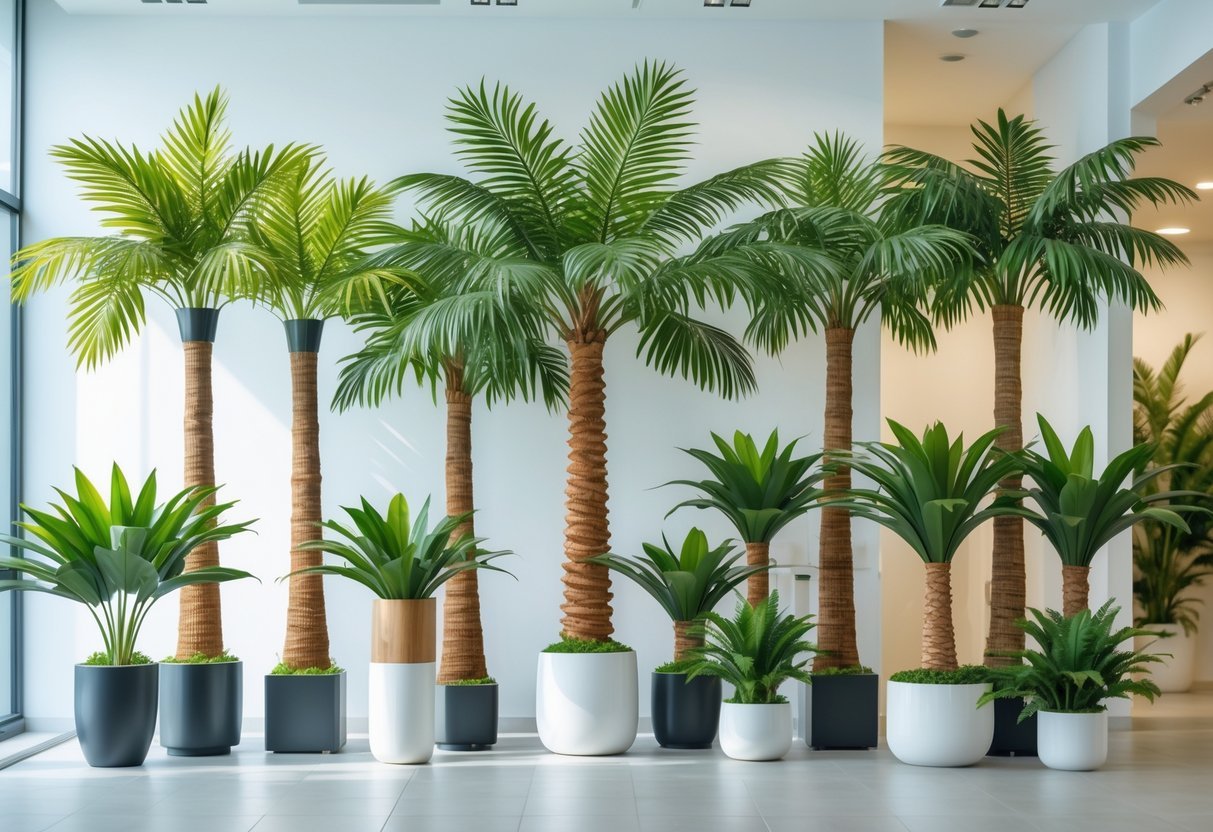
There’s something about palm trees that captures a sense of calm and makes any space feel like a holiday destination. Yet, not everyone can maintain the real thing or has the right conditions at home or work for a tropical garden. Artificial palm trees offer a convenient and visually striking way to bring a lush, green look to my indoor or outdoor spaces without any of the hassle.
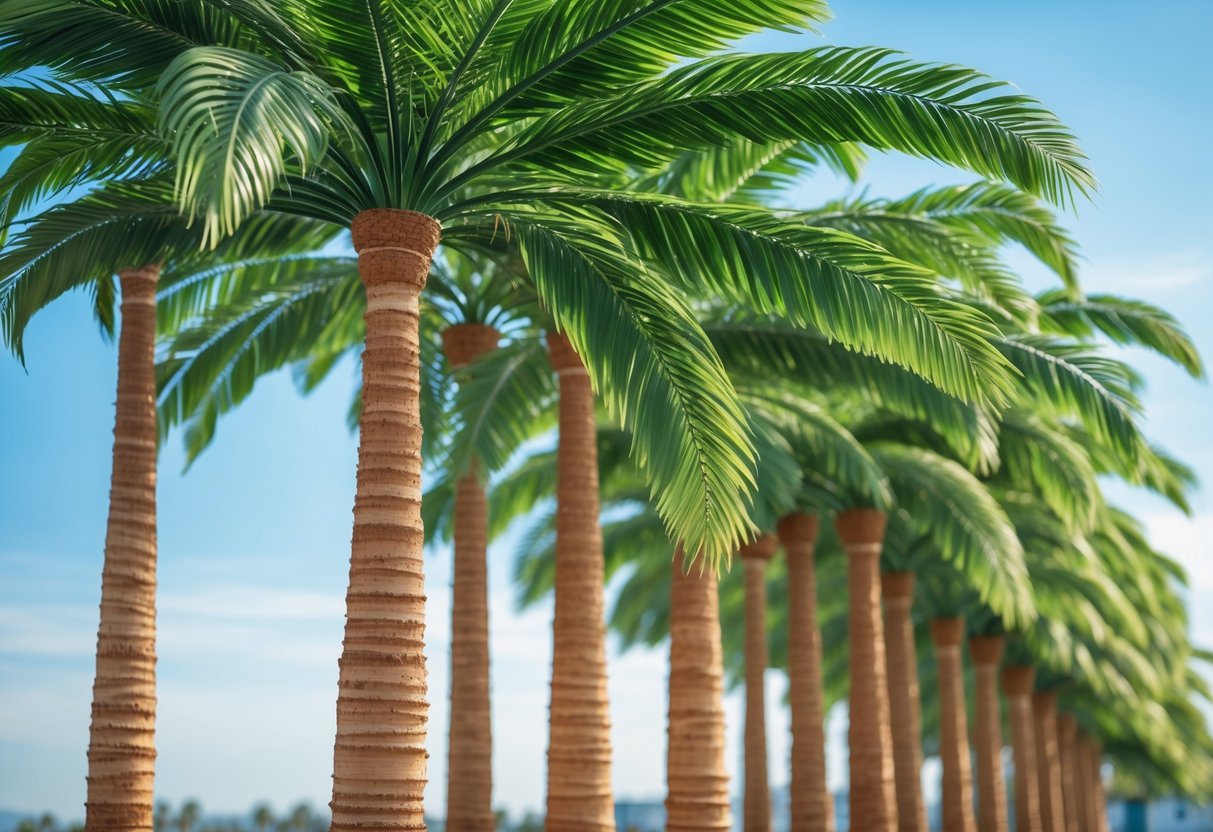
I find artificial palms are made to look highly realistic these days, with options ranging from areca and kentia palms to bamboo and coconut varieties. They need almost no maintenance and can be placed anywhere I like—no messy leaves, no watering, and they stay green all year round. Stores in Australia provide a huge selection of ultra-lifelike options to suit any style or budget, making it easy for me to find just the right fit for my home or workspace.
Key Takeaways
- Artificial palm trees bring instant tropical style with little effort
- Many types and sizes are available to suit different settings
- They offer a low-maintenance alternative to real plants
Benefits of Artificial Palm Trees
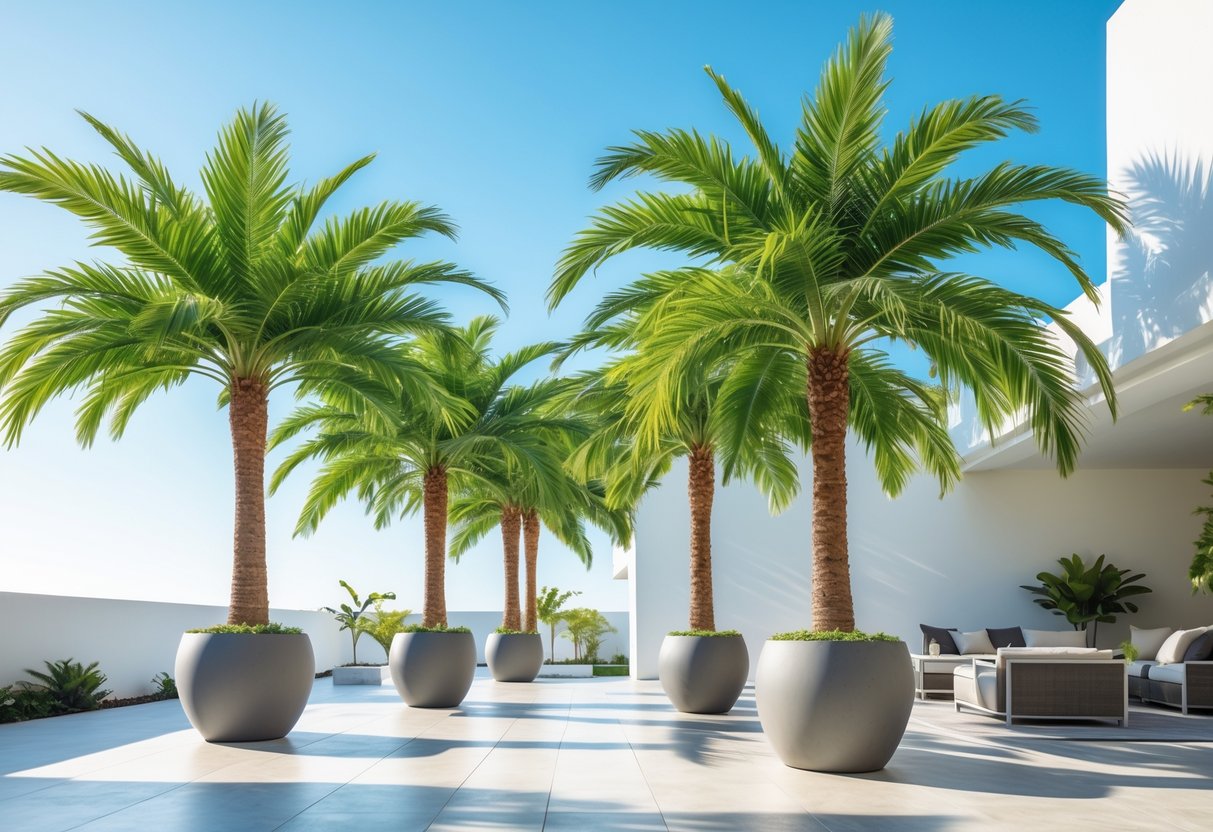
I find artificial palm trees an ideal choice for anyone wanting lush, tropical greenery without the commitment. They offer a practical solution for busy lifestyles, provide relief for allergy sufferers, and retain their attractive appearance for years.
Low Maintenance Advantages
In my experience, one of the biggest perks of artificial palm trees is their minimal need for care. I don’t have to worry about watering schedules, pruning, or fertilising, and there’s no risk of pests or plant diseases taking over the space. Dusting the leaves with a soft cloth keeps them looking fresh, which suits my hectic routine.
Artificial palms are a great fit for areas with low natural light where live palms might struggle. They don’t wilt or drop leaves if I forget about them for a few weeks. I simply place them where I want, and that’s it—no fuss, no soil spills, and no worries about over- or under-watering.
I also appreciate the year-round consistency. Unlike real palms, which can change with the weather, artificial varieties stay green and vibrant through every season. This is particularly helpful in commercial or public spaces needing a constant, tidy look. For a more detailed overview of how these practical benefits make a difference, check out the guide on the everyday advantages of artificial palm trees.
Allergy-Free Solution
I’ve learned that artificial palm trees are a welcome addition for people who deal with allergies. Real palms can collect mould, harbour pests, or release pollen, all of which can set off uncomfortable symptoms. By choosing faux palm trees, my space remains cleaner and safer for sensitive individuals.
These plants won’t introduce new allergens into my home or office. I can display them with confidence at gatherings or in shared areas, knowing they won’t trigger sneezing or asthma attacks. This is especially important in environments like waiting rooms, hotels, and classrooms where guest comfort matters.
For families and workplaces, placing allergy-friendly greenery in the decor means more people can relax and enjoy the space. Artificial palms allow me to bring in a tropical vibe while keeping health and comfort in mind.
Longevity and Durability
When I invest in artificial palm trees, I know I’m getting a decorative feature that lasts. Made from sturdy materials like high-grade plastics and UV-protected fabrics, they resist fading and breakage, even in busy or sun-exposed spots.
These palms don’t deteriorate with age. I don’t need to worry about root rot, leaf loss, or seasonal dieback. If I’m decorating outdoors, I look for options labelled as suitable for exterior use. Many are designed to withstand changing weather, keeping their lush look year after year, as highlighted in the guide to durable outdoor artificial palms.
I also appreciate the single upfront investment. There are no recurring costs related to plant care, soil replacement, or pest control. Over time, this makes artificial palms a cost-effective addition to both homes and commercial spaces.
Popular Types of Artificial Palm Trees
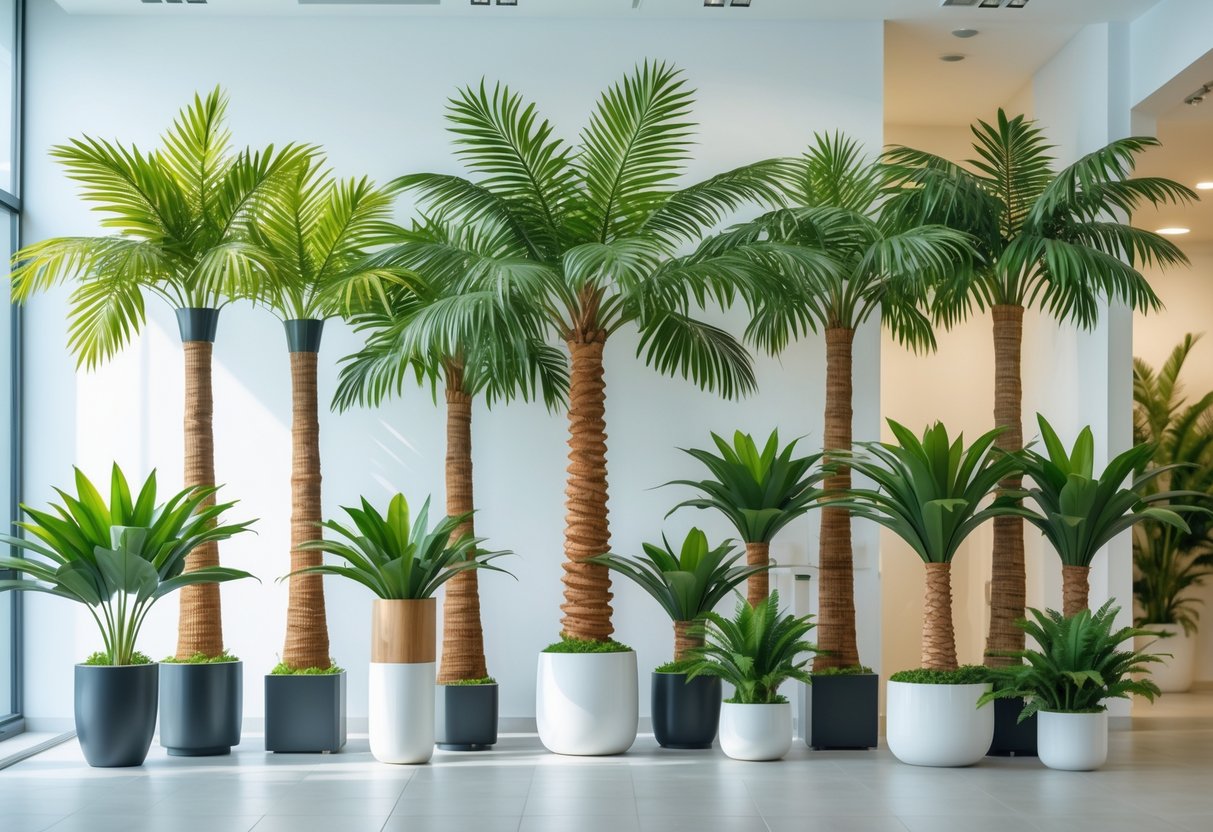
Artificial palm trees come in a range of varieties, with choices to suit different interior and outdoor spaces. Each type has distinct features, from the shape of their fronds to the style of their trunks, allowing me to create nearly any look I want.
Areca Palms
Areca palms are one of my favourite picks for both homes and offices. They stand out due to their graceful, feathery fronds that arch naturally and create an airy, tropical atmosphere. Many artificial areca palms are UV-stabilised and suitable for use in covered outdoor areas, meaning I don’t have to worry about fading from the harsh sun. The trunks are usually finished in shades of light brown or green, imitating the look of real areca stems.
Features I often see in artificial areca palms:
- Dense, bushy fronds for privacy
- Life-like, multi-stemmed trunks
- Heights ranging from tabletop size to over 2 metres
Popular with decorators, they work beautifully as room dividers or focal points in larger spaces. For more on picking this style, there’s a useful selection of artificial areca palm trees available to browse.
Kentia Palms
I like kentia palms for their classic elegance and simple styling. These palms have long, broad fronds that fan gently but aren’t as feathery as areca palms. The trunk is slender, often mimicking the textured trunk of real kentia palms. Artificial kentia palms are known for their versatility; I find they fit equally well in both modern apartments and traditional décor schemes.
Key reasons I often choose artificial kentia palms:
- Single tall trunk for a minimal, uncluttered look
- Fronds with deep green shades, giving a lush effect
- Low maintenance — perfect if I don’t want to fuss over plants
Whether placed in lobbies or living rooms, kentia palms bring sophistication without competing for attention with other furniture or décor.
Fan Palms
Artificial fan palms have a distinctive look, thanks to their dramatic, round leaves that splay outward like a fan. I think these are perfect when I want to make a bold or architectural statement in a space. The leaves are often thick and rigid, including intricate vein details that boost their realism. Some varieties feature a textured trunk or no visible trunk at all, letting me pick the style that best fits my needs.
What I enjoy most about artificial fan palms:
- They add instant tropical flair with their bold silhouette
- Their sturdy fronds hold their shape well over time
- Fan palms suit wide entryways and alfresco settings thanks to their spread
Several retailers highlight their wide range of artificial fan palms, covering everything from subtle tabletop versions to impressive statement pieces.
Choosing and Styling Artificial Palm Trees
When I buy artificial palm trees, I consider their size, where I’ll display them, and what pot suits my décor. Getting these details right means the palm looks more realistic and fits well with my interior or outdoor spaces.
Selecting the Right Size
I start by measuring the intended display area to ensure the palm isn’t too tall or wide for the space. For example, a 1.2m to 1.8m tall palm can be perfect for most living rooms, while smaller palms, about 60cm, suit desks and side tables. Oversized palms, sometimes over 2m, work best in open-plan spaces or large patios.
I check the overall volume as well as height—some species have a slender silhouette, while others fan out more. Accurate measurements prevent crowding and make the tree look intentional, not squeezed in. It also helps me to consider ceiling height and sightlines from entryways or seating.
If still unsure, I look for adjustable or poseable fronds so I can tweak the look after placing it. More advice on this is available in the complete guide to choosing the perfect artificial palm tree.
Placement Tips for Indoors and Outdoors
Placing my artificial palm well makes all the difference. For indoors, I look for spots with good light but away from direct sun if it might fade the foliage. Corners near windows or beside couches tend to work best. Grouping with other plants or decorative baskets often creates a lush, inviting corner.
For outdoor use, especially under covered patios or balconies, I make sure to choose UV-resistant artificial palms to avoid colour loss and brittleness. Lifelike options such as areca or majesty palms blend best when mixed with real plants, and placing the palm slightly off-centre gives a relaxed, natural feel.
In both settings, I avoid locations that obstruct walkways or door openings. By keeping traffic flow in mind, the palm tree feels purposeful and adds style without being in the way. Some ideas on maximising impact with placement helped me the most as I styled my spaces.
Container and Pot Selection
I find the choice of pot or planter is almost as important as the palm itself. Choosing a container that’s suitably weighted is critical, especially for taller trees, to stop them from tipping over easily. I look for wide, heavy bases for stability, particularly outdoors where wind can be an issue.
Style matters too. I opt for planters that complement my décor, such as textured ceramics for a modern look, woven baskets for coastal themes, or classic terracotta for a traditional finish. Sometimes, I add pebbles or moss around the base to cover the plastic soil—this detail helps the arrangement look more realistic.
For versatility, I prefer removable pots, so I can easily swap planters if I redecorate. A well-chosen pot can make even the most basic artificial palm look far more authentic, and guides on artificial palm tree styling have given me inspiration to get creative with container choices.
Care and Maintenance
I keep artificial palm trees looking their best by focusing on regular cleaning and keeping them safe from too much sunlight. These steps help them stay vibrant and dust-free for years, with minimal effort.
Cleaning Your Palm Tree
I find it’s easy to keep artificial palm trees clean, but staying consistent is important. I usually dust the leaves and trunk every fortnight using a soft microfiber cloth or a feather duster. For a deeper clean, I mix a mild detergent with lukewarm water and gently wipe each leaf, then pat them dry with a clean towel. This helps prevent dust buildup and keeps the colours bright.
If the palm is in a high traffic area, I use a small handheld vacuum with a brush attachment to remove stubborn dirt. I always check care labels before using any cleaning products, avoiding harsh chemicals or rough scrubbing that could damage the foliage. To keep my artificial palm tree looking fresh, I set a reminder on my phone for regular cleaning. For more helpful tips, check out this complete FAQ guide on artificial palm tree care.
Protecting from Sunlight Fading
Australian sunlight can quickly fade artificial leaves, making protection a priority for me. I never place my artificial palm trees in direct, prolonged sunlight; instead, I position them where only indirect light hits the foliage. For spaces with a lot of sun, I invest in artificial palms with UV protection, which are designed to last longer outdoors or in sun-exposed rooms.
Another tip I use is to occasionally rotate my palm tree, ensuring all sides age evenly and prevent any one spot from fading faster. If I notice any fading, I consider using a UV-resistant spray designed for artificial plants, following the package instructions carefully. By taking these steps, my artificial palms stay vibrant and lifelike throughout every season. You can learn more about UV-stabilised options for different conditions at this artificial palm tree guide.
Frequently Asked Questions
I often get questions about the practical aspects of artificial palm trees, from long-term care and safe use indoors to picking the best option for a specific space. Knowing how to clean, select, and maintain these trees helps guarantee they stay vibrant and hassle-free, whether they’re inside the home or out in the garden.
How can I maintain the look of my synthetic palm tree out in the garden?
I keep my synthetic palm trees outside looking fresh by using UV-stabilised versions made for Australian conditions. Regularly dusting the leaves and gently wiping them with a damp cloth prevents dirt build-up. For trees in windy areas, removing the palm head during storms or winter can reduce damage and prolong their appearance—something I found especially helpful after a rough season.
Are artificial palm trees safe for use indoors around pets and kids?
Most artificial palm trees are made with non-toxic plastics or polyester, and the majority don’t shed leaves or pollen, so I haven’t had issues with allergies, pets, or young kids. However, it’s important to check for any loose or sharp parts that could become a hazard in play areas.
What’s the best way to clean a faux palm tree without damaging it?
I use a microfibre cloth to dust the fronds and stem, avoiding harsh chemicals or high-pressure water. For stubborn stains, a small amount of mild soap diluted in water keeps the leaves clean without fading the colour. This gentle approach preserves both the texture and the lifelike look of the tree as recommended by several care guides.
Can fake palm trees be used outdoors, and if so, how do they withstand the elements?
Outdoor artificial palms do well when designed specifically for that purpose, especially if they’re UV protected. I make sure to pick varieties described as weather-resistant, which helps the trees resist fading and damage from sun, rain, or even some light snow. In very windy locations, some makers suggest removing certain parts during harsh weather to reduce the risk of breakage, just as advised by tropical plant specialists.
What materials are typically used in creating lifelike artificial palm trees?
Most high-quality artificial palm trees that I’ve seen are constructed with a mix of plastics, polyester fabrics, and sometimes real wood trunks for authenticity. The leaves often use flexible, textured plastics or polyblends to achieve realistic movement and colour. Some manufacturers make custom artificial palms with durable, specialist materials suited for both indoor and outdoor use.
How do I choose the right size artificial palm tree for my living room?
I take measurements of my space and decide how much visual impact I’d like the tree to make. Taller palms, around 180–210 cm, create a bold statement in open rooms, while smaller varieties fit neatly into corners or beside furniture. Considering trunk height versus total tree height helps ensure the palm fits proportionally and doesn’t overwhelm the living area—I always check these figures before buying.