
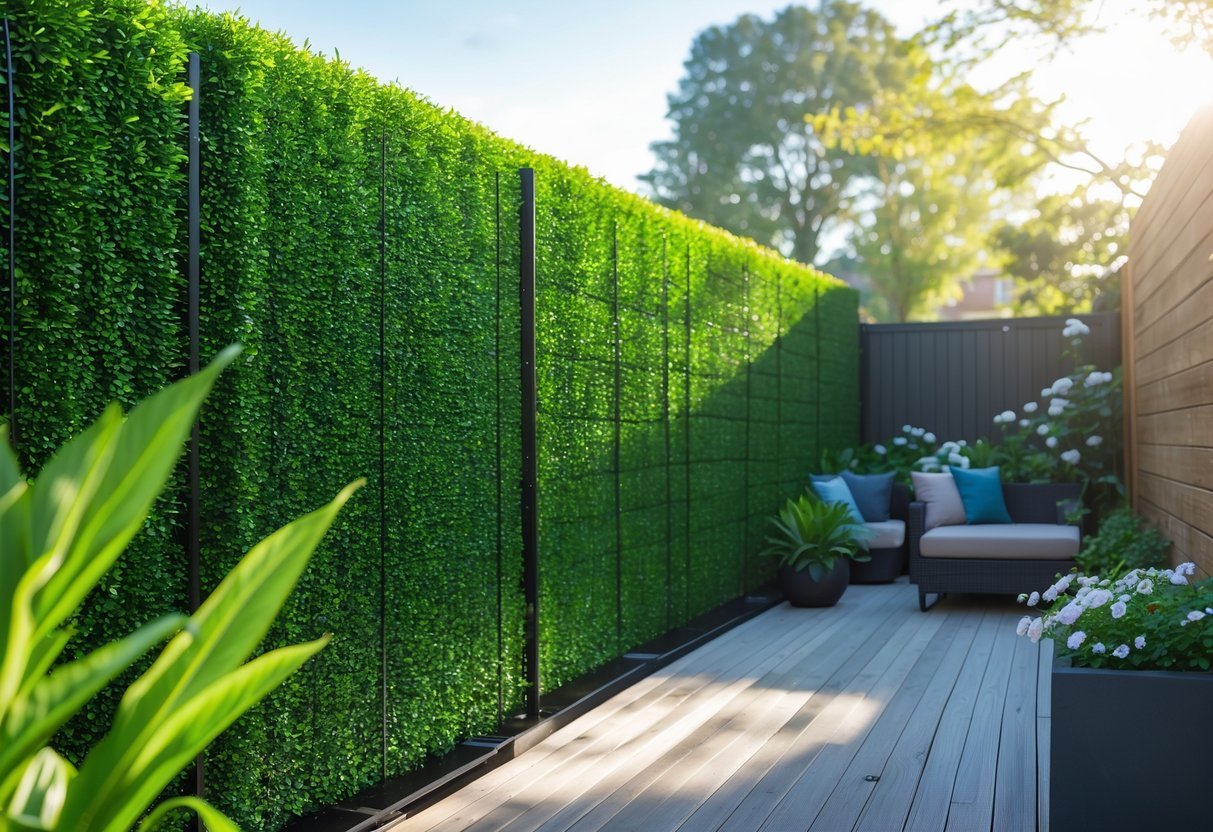
If you’re looking for a simple way to enhance your outdoor area, improve privacy, or cover up an unattractive fence, artificial hedge fences are a practical solution. Artificial hedge fences offer instant greenery and privacy with almost no maintenance, making them a smart alternative to traditional hedges. They blend seamlessly into a variety of settings, whether I want to spruce up my backyard, balcony, or a commercial property.
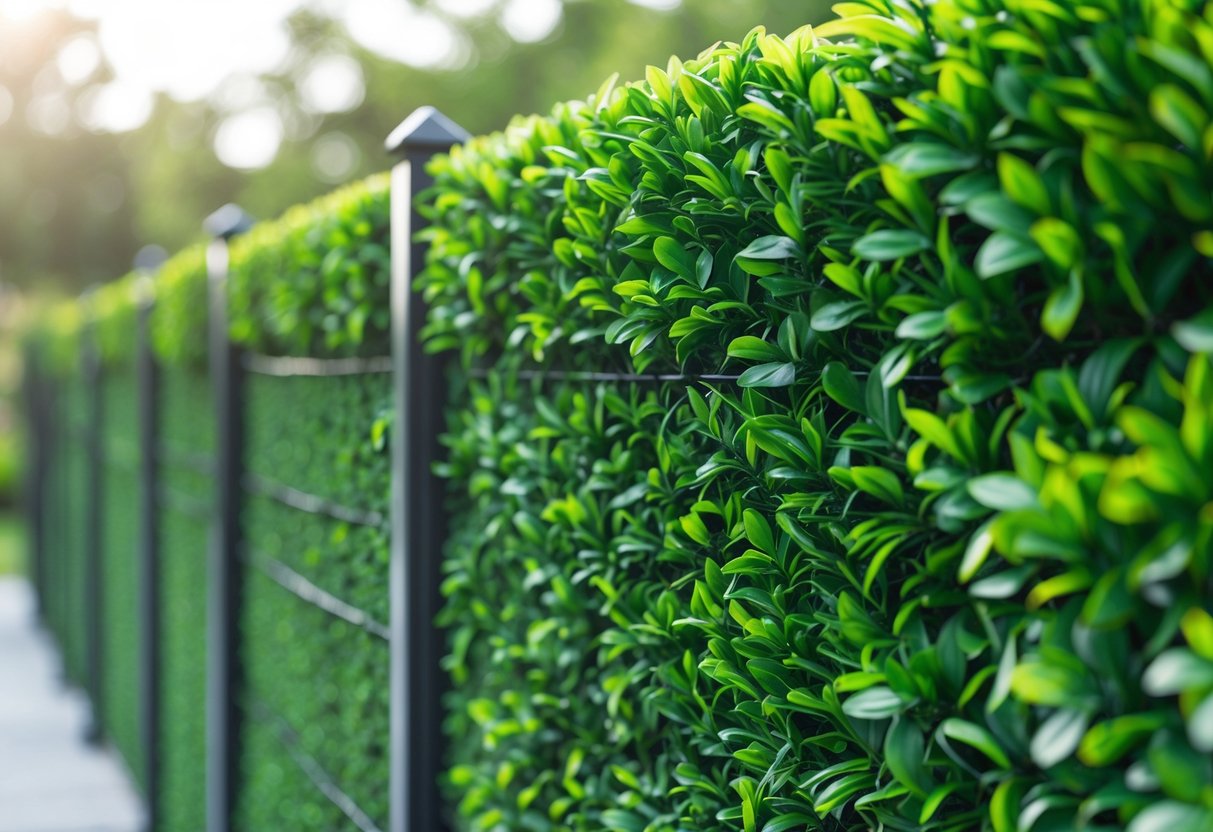
Installing an artificial hedge fence means I don’t have to worry about watering, trimming, or seasonal changes – it’s always green and tidy. Units come in a range of styles, with options including portable faux hedges in planters and UV-stabilised panels that withstand the Australian sun. The right pick can add natural appeal and privacy to just about any space while saving me time on ongoing upkeep.
Key Takeaways
- Artificial hedge fences provide easy-to-maintain privacy and greenery.
- They come in various styles suited for different areas and needs.
- Choosing and installing one is straightforward and keeps outdoor spaces tidy.
What Is an Artificial Hedge Fence?
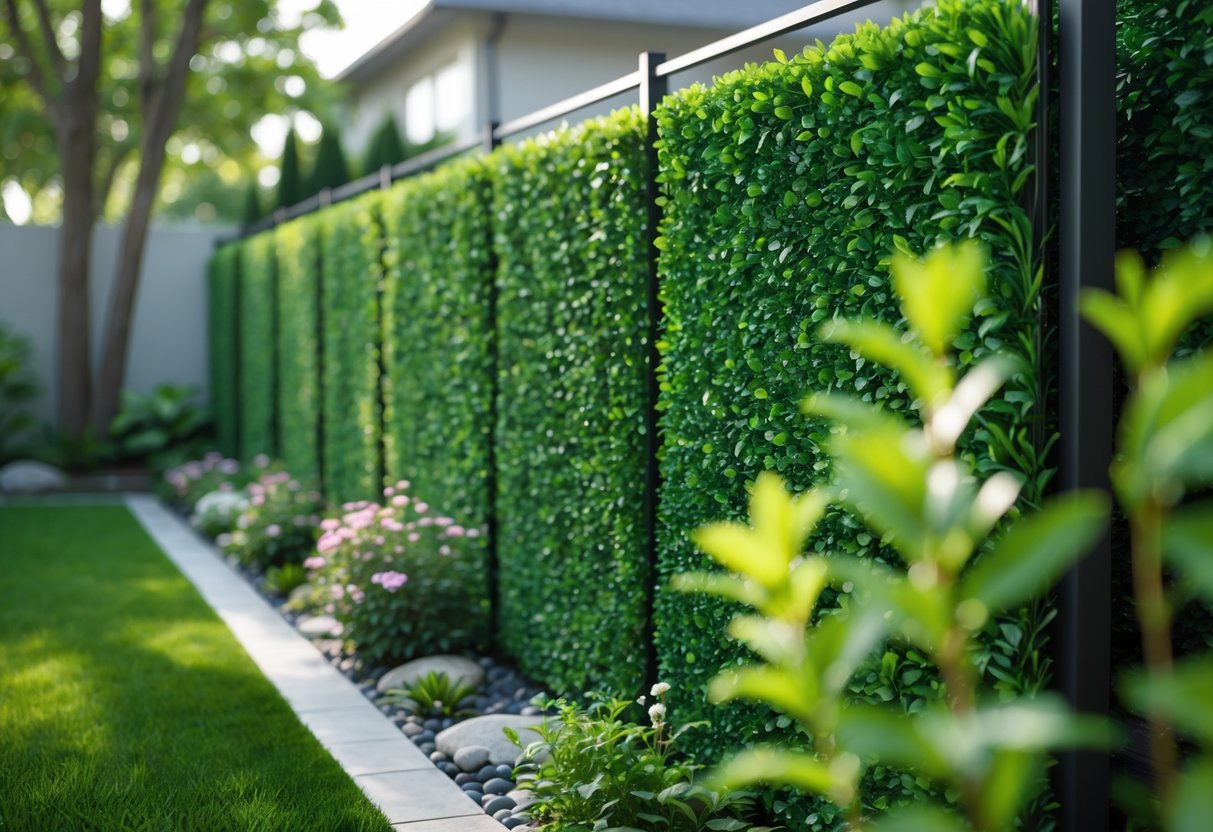
Artificial hedge fences are a practical option for creating privacy, adding greenery, and improving outdoor appearance. They offer a versatile alternative to living plants, combining realistic looks with minimal upkeep—a blend that appeals to homeowners and businesses alike.
Definition and Purpose
An artificial hedge fence is a barrier or screen made from faux greenery, usually constructed using synthetic materials such as polyethylene or UV-stabilised plastic. The artificial leaves and foliage are often attached to durable mesh or panels, allowing for quick and flexible installation. I use them to boost privacy, hide unsightly fences, or just to bring visual interest to dull areas.
Their main purpose is straightforward: provide instant greenery without the maintenance or long waiting times associated with growing real hedges. Since they don’t require watering, trimming, or fertilising, artificial hedges are especially practical in Australia’s varied climate. I find them useful for both residential backyards and commercial properties wanting a tidy, consistent look all year round.
Comparison With Natural Hedges
When I consider artificial hedge fences against traditional natural hedges, there are some key differences. Artificial hedges deliver immediate results—they’re lush and full from day one, whereas natural hedges can take years to mature. This is a major advantage for anyone needing instant privacy or a quick facelift for their garden.
Maintenance is another area where artificial beats natural hands down. There’s no pruning, watering, or pest control required. While living hedges can suffer from disease, weather damage, or an inconsistent appearance, artificial hedges stay green and uniform regardless of the season. However, real plants do offer environmental benefits such as oxygen production and habitat for wildlife, something artificial panels can’t replicate. For many people, the low-maintenance convenience of a fake hedge outweighs these drawbacks.
Popular Types of Artificial Hedge Fences
Artificial hedge fences come in a range of popular varieties to suit different tastes and needs. Boxwood panels are among the most common and versatile, thanks to their classic, dense appearance. I often see them used for creating privacy screens or as decorative accents on walls and fences.
In addition to boxwood, there are also faux ivy, laurel, and jasmine hedge panels, each offering a unique leaf shape and colour tone. The artificial hedge panels are usually supplied in modular designs, making them easy to fit together for large or small spaces. For specific applications like dividing outdoor seating areas or temporarily screening off construction zones, portable artificial hedge walls and hedge wall panels are also available. This flexibility makes them a go-to choice for both permanent and temporary settings, indoors and outdoors.
Key Benefits of Artificial Hedge Fences
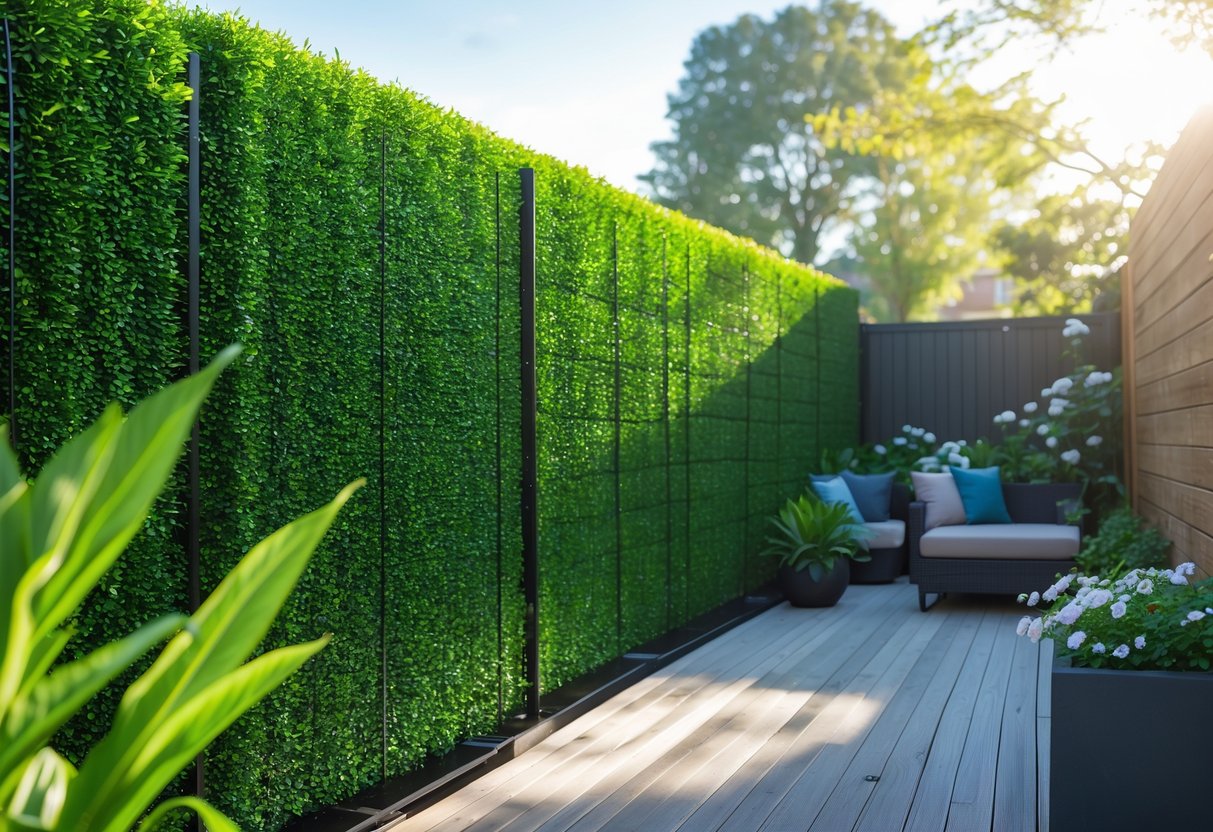
When I look at artificial hedge fences, I see practical solutions for privacy, visual improvement, and easy outdoor care. They deliver strong coverage, consistent greenery, and need minimal ongoing work compared to real plants.
Privacy and Security
One reason I choose a fake hedge or artificial greenery for my fence is the immediate privacy it offers. Unlike traditional plants that require years to reach full coverage, outdoor artificial hedges arrive at the ideal height and density straight away. This effectively blocks views from neighbours or passing traffic, helping me feel comfortable in my own space.
Security can also improve with artificial hedge walls. The thick panels provide a solid barrier, deterring unwanted entry in a similar way to a natural hedge but without gaps or thin growth patches. Since artificial hedge fences aren’t easily penetrated or trampled, they are suited for both homes and commercial properties that value discretion.
Fencing panels are often customisable and modular. That makes it easy for me to extend coverage or height where needed, whether it’s for a small backyard or a larger boundary line. Artificial hedge fences can also be attached to existing fencing structures, adding another layer of privacy without affecting the original build.
Aesthetic Appeal
My favourite part about using artificial greenery is the consistent appearance all year round. No matter the weather or season, these panels remain vibrantly green and tidy, ensuring my space always looks well kept. I don’t have to worry about brown patches, wilting, or inconsistent growth.
Artificial hedge walls can be tailored to match my preferred style, with options that mimic boxwood, laurel, or even flowering shrubs. This range of choices allows me to blend them in seamlessly with other landscaping features or garden décor. If I need to cover an unpleasant wall or fence, the high density of artificial foliage instantly hides defects and upgrades the look.
For people like me who want instant visual impact, fake hedges deliver immediate results. There’s no waiting for plants to mature. I find this especially useful for newly built properties or areas where natural sunlight is limited and live hedges may struggle.
Low Maintenance and Durability
Another big advantage I notice is the reduced maintenance workload. Unlike real hedges, outdoor artificial hedges don’t require watering, trimming, fertilising, or pest control. This saves me both time and ongoing costs.
Quality artificial hedge fences are made with UV-stabilised materials and weather-resistant finishes. They don’t fade, crack, or break down as quickly as some outdoor décor products. I find that these panels easily withstand heavy rain, strong sun, and even wind without losing their shape or colour.
Cleaning is straightforward too. Usually, a quick rinse with a hose or a gentle wipe-down returns my hedge wall to top condition. For anyone keen on a fuss-free garden or who travels often, artificial hedge fences provide a reliable and resilient option with lasting appeal.
Choosing the Right Artificial Hedge Fence
When I’m choosing an artificial hedge fence, I always focus on materials, sizing, UV resistance, and whether it’s made for indoor, outdoor, or versatile use. These factors make a big difference to both appearance and longevity of artificial hedging panels in any space.
Materials and UV Protection
I look for artificial hedge panels made from quality materials, like high-grade polyethylene. This material is durable and often has better resistance to Australian sun and weather. For those who want a realistic look, some panels combine different leaf shapes and density, mimicking living foliage. Touch and density matter—a denser grid feels lusher but can be heavier.
UV protection is critical if the panels are outdoors. In my experience, panels without UV stabilisers fade quickly, especially in direct sunlight. Good panels come with UV certification, making sure the colour lasts and the artificial greenery doesn’t become brittle with time. It’s worth checking the product label or asking the manufacturer about fade-resistance to avoid disappointment later on. You’ll find tips on appearance, density, and certification in guides like Everything You Need to Know about Artificial Hedging.
Panel Styles and Sizes
I like that hedge panels come in a wide variety of styles—from classic boxwood to ivy, laurel, and buxus. Some options even feature mixed greenery for a more natural effect. Standard panel sizes are often 50cm x 50cm or 1m x 1m, but I have seen custom options for unique spaces.
Panel thickness impacts privacy and coverage. A thicker, denser panel blocks more view and can cover unsightly walls completely. For small projects, I might use snap-together panels for easy installation and flexibility. For large spaces or commercial sites, larger modular sections save time and reduce joins. You can compare types and installation tips in resources like How to choose and place the best artificial hedge.
Suitability for Indoor and Outdoor Spaces
Not all artificial greenery is suitable for both indoor and outdoor use, so I always check specifications. For outdoor use, UV resistance and weatherproof backing are crucial, as is drainage so panels don’t trap water against fences or walls. Panels designed for outdoors are generally tougher and less likely to deteriorate.
For indoor spaces, I consider flame retardance and ease of cleaning. Lightweight panels are my go-to inside, as they’re easier to hang and move. Sometimes, I use hedge walls indoors to divide rooms or build a feature wall in an office or café. The best manufacturers will specify intended use, as explained in this comprehensive artificial hedges guide, helping me make the right call for longevity and looks.
Installation Tips and Maintenance
Installing artificial hedge panels yourself can save money and is quite manageable with basic tools. Using the right accessories ensures a tidy and lasting finish. Maintenance is simple, with cleaning and care needed only occasionally to keep hedges looking fresh year-round.
DIY Installation Steps
The first step I take is to measure the fence area where my artificial hedges will go. I always clean the fence thoroughly—removing dust and debris—so the panels sit flush and attachments hold firmly. For a chainlink or metal fence, I start at one end, holding each panel up and securing it with zip ties or similar fasteners. If I’m working with a timber fence, sometimes it’s helpful to use timber battens for extra stability.
I make sure the panels are aligned before moving on. If panels need trimming, I use scissors or wire cutters to get a snug fit. I check for gaps and overlap the edges slightly for a seamless look. For more guidance, I’ve found step-by-step instructions for installing hedge panels on different fence types at Designer Plants.
Tools and Accessories Needed
Here’s a handy list of what I use for a straightforward installation:
| Tool / Accessory | Use |
|---|---|
| Zip ties | Securing panels to chainlink/metal fences |
| Heavy-duty scissors | Trimming panels |
| Wire cutters | Cutting thicker wire frame |
| Timber battens (optional) | Attaching panels to wood fences |
| Drill and screws | Fixing battens or panels to timber |
| Tape measure | Ensuring accurate sizing |
| Ladder | Reaching taller fence sections |
| Gloves | Protecting hands from sharp edges |
Tip: I always make sure the accessories are weather-resistant, especially if they’ll be exposed to rain or sun. This prevents rust and prolongs the life of the installation.
How to Clean and Care for Artificial Hedges
To maintain the look of my artificial hedge panels, I regularly check for dust, cobwebs, or leaves. A soft broom or brush quickly removes surface debris. For stubborn dirt or after a long spell of bad weather, I rinse the panels with a garden hose.
If I notice marks or bird droppings, I use a cloth dipped in soapy water and gently wipe the affected areas. I avoid harsh chemicals and high-pressure washers, since these can damage the UV coating on the leaves. Occasional checks for loose ties or panels are important, and I replace any worn fittings to keep everything neat and secure.
For more on maintenance and common concerns, I find helpful information at Bindy’s guide to artificial fence hedges. Regular care keeps my artificial hedges looking vibrant no matter the season.
Creative Uses in Modern Landscaping
Artificial hedge fence solutions have become a go-to for low-maintenance, great-looking gardens. I’ve seen them used in a range of clever ways that maximise privacy, boost style, and adapt easily to changing needs.
Enhancing Outdoor Living Areas
My favourite way to upgrade outdoor living areas is with artificial hedge wall panels. I find they’re perfect for enclosing patios and decking without closing in the space. The lush, evergreen finish helps create a calm backdrop where I can relax or entertain.
For homes with adjoining properties, a fake hedge fence adds a layer of privacy that feels natural but doesn’t need the constant care of real plants. By choosing panels with varied leaf patterns, I can match the look to a modern landscape or soften harsh lines. Artificial hedges stay vibrant even in harsh Australian sun, giving my outdoor room a consistently fresh look.
Installing artificial hedge walls along alfresco zones shields dining areas from wind and sun. I also like using them to disguise unattractive fences or walls—just secure the panels and my space is immediately transformed.
Feature Walls and Decorative Borders
If I want to add visual interest to the garden, I turn to fake hedges for feature walls. These make stunning backdrops for outdoor art, water features, or even fire pits—adding character without busy planting schemes. Artificial hedge panels work especially well for defining pathways or outlining garden zones.
Some inspiring ideas include:
- Lining a courtyard wall with dense hedge panels to create a green oasis
- Enhancing a pool fence with a sleek, uniform hedge layer
- Using modular hedge walls as garden dividers, which brings structure while staying on trend
By experimenting with panel patterns and heights, I can tailor the result to suit cottage gardens, contemporary designs, or even commercial properties. For more inspiration, I like to browse ways to incorporate artificial hedges in modern landscaping.
Portable and Freestanding Options
What I appreciate most is how fake hedge fences can be portable or freestanding. Lightweight hedge wall panels fit discreetly into pots or planter boxes, so I can move them anywhere I want to create a screen or zone off an area temporarily. This flexibility is ideal if I’m hosting an outdoor event or need shade at different times.
I also use freestanding artificial hedges along balconies or verandahs for privacy without permanent installation. Many products connect modularly, so I can increase or decrease their size as my garden changes. This makes it easy to experiment with layouts or take the panels indoors during winter. For more budget-friendly or DIY inspiration, you can explore creative artificial hedge panel ideas, which demonstrate just how customisable these solutions can be.
Frequently Asked Questions
If you’re considering an artificial hedge fence, you might be wondering about installation steps, upkeep, and what to expect when it comes to quality and weather resistance. I’ve answered the most common questions I get below, keeping it clear and easy to follow.
How do I install an artificial hedge fence at my home?
I usually start by attaching the panels to my existing fence using cable ties or screws, depending on the material of the fence itself. Most artificial hedge panels feature a grid backing that makes it simple to secure them in place. For a seamless, professional look, I work from one end to the other, ensuring each panel lines up closely and making adjustments as I go. There are detailed tips on installation methods here.
What maintenance is required for synthetic hedge fencing?
Caring for my artificial hedge fence is pretty low fuss. About once every few months, I rinse off dust or debris with a hose. If any areas look a bit faded, I apply a UV protection spray to help keep the greenery vibrant. There’s no pruning, fertilising, or ongoing landscaping needed, just an occasional clean to keep things looking tidy.
Can fake hedge panels be cut to fit my specific garden size?
Yes, I can trim most artificial hedge panels with sharp scissors or garden shears. This makes it easy to fit panels around posts or other features in my yard. I always measure first and cut slowly to avoid damaging the mesh backing.
Are artificial hedge fences resistant to outdoor weather conditions?
Many quality artificial hedge panels are specifically designed to handle Australian sun, rain, and wind. For example, options with UV protection and weather-resistant materials are popular for their durability in outdoor settings. I always check that the hedge panels I buy mention these features clearly, as explained in this detailed guide on durability.
What’s the typical lifespan of an artificial hedge fence?
The lifespan of my artificial hedge fence depends on the quality and amount of sun exposure. Most well-made panels will last between five to eight years outdoors before showing signs of fading or brittleness. Panels kept in shaded or semi-covered spots tend to last even longer.
How can I choose the best faux hedge fencing for privacy in my backyard?
To pick the best option for my privacy needs, I look for dense foliage coverage and realistic leaf shapes. It’s also useful to compare the heights and styles available, keeping in mind the overall look I want in my garden. For more buying tips and comparisons, this artificial hedge buyer’s guide has plenty of practical advice.