
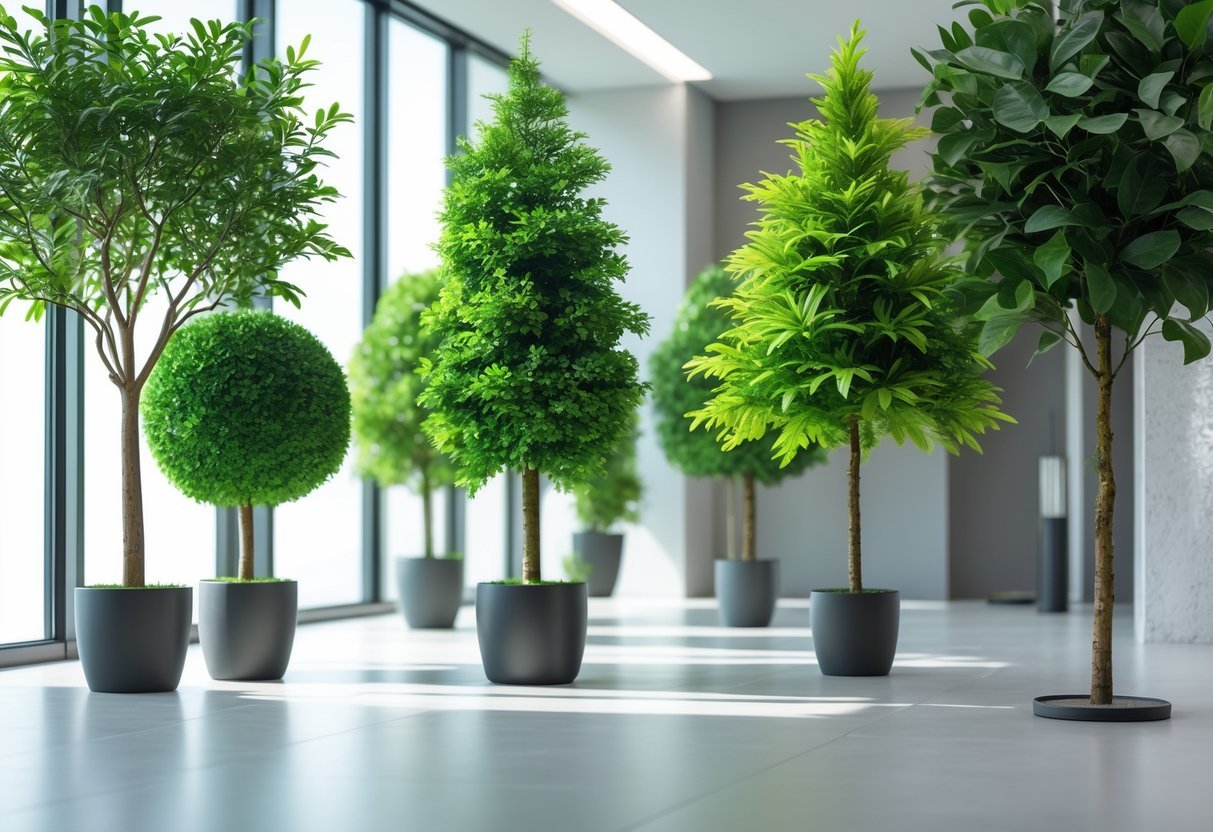
You want greenery that looks alive without the upkeep, and artificial trees deliver that instantly. I’ll show you which lifelike options give the best visual impact and which choices hold up in Australian homes and outdoor areas.
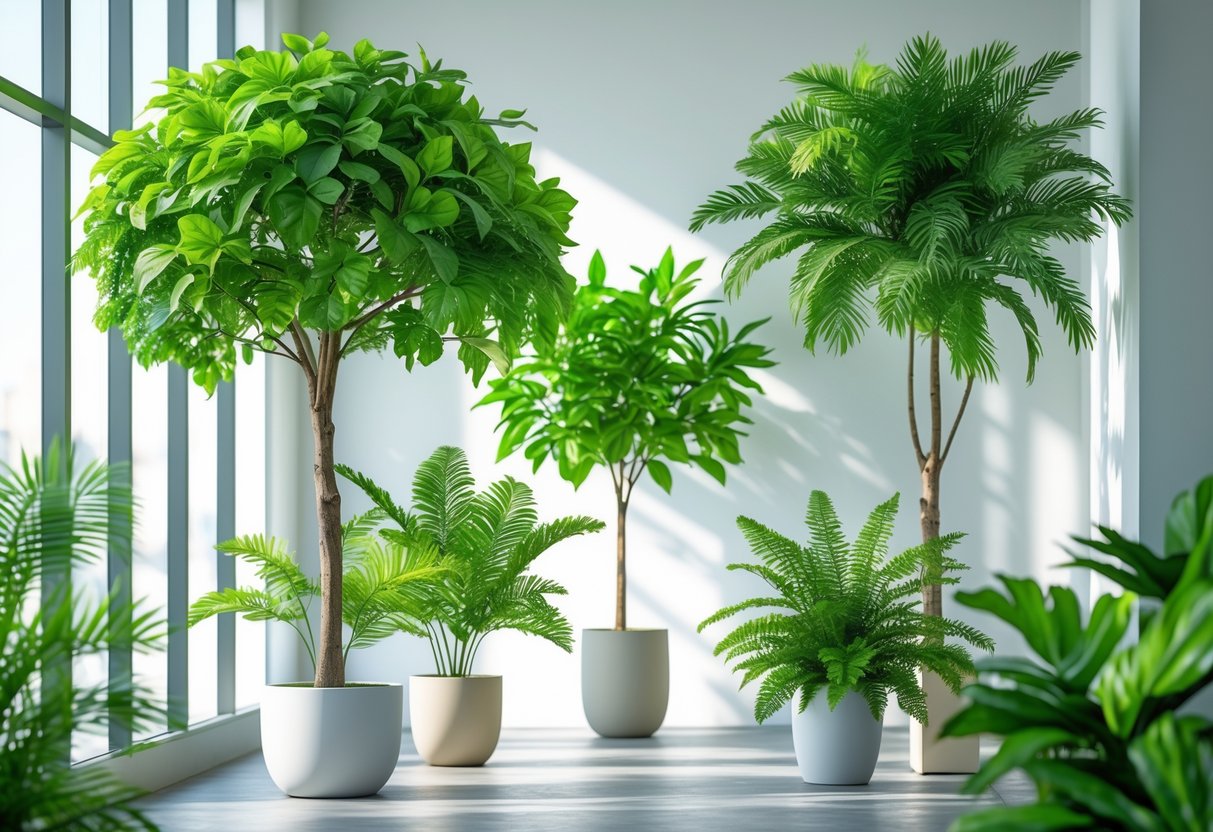
You’ll learn how to pick realistic styles, where to place them for maximum effect, and how to avoid low-quality fakes that fade or fall apart. My tips will help you get lush, maintenance-free greenery that suits your space and budget.
Key Takeaways
- Choose quality materials and UV-treated finishes for long-lasting realism.
- Match scale and style to your space to create natural-looking impact.
- Simple upkeep keeps faux trees fresh without gardening effort.
What Are Artificial Greenery Trees?
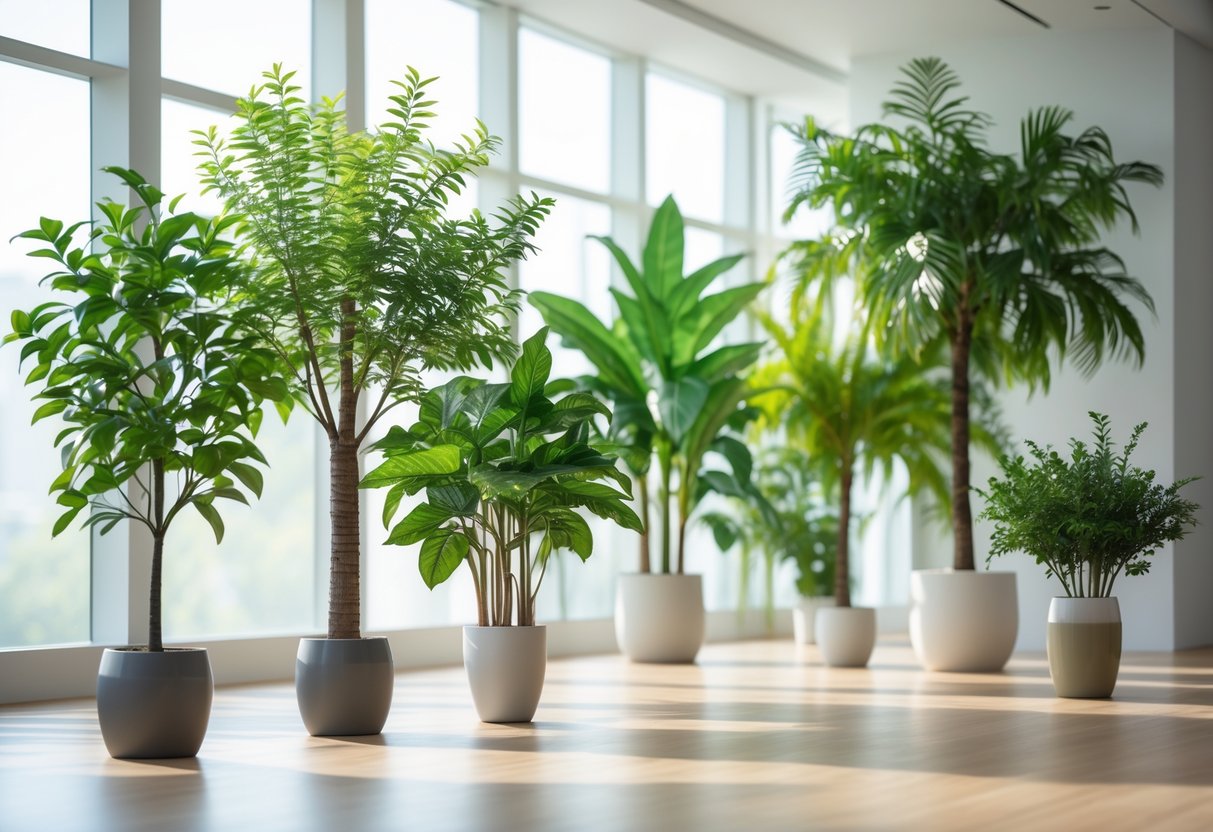
I explain what artificial greenery trees are and why people choose them: they provide permanent foliage without watering, suit low-light interiors, and come in many styles from small potted shrubs to full-size indoor trees.
Types of Artificial Plants and Trees
I group faux greenery by size and function so you can match a piece to a space. Small potted artificial plants suit shelves and desks; medium-sized faux shrubs work well for side tables and entryways. Full artificial trees—such as artificial ficus, faux olive, and faux palm—anchor living rooms and offices.
Retailers also offer specialised options: UV-treated, outdoor-rated artificial trees for balconies and weather-exposed areas, and bespoke artificial plant walls for commercial fit-outs. I recommend checking scale against room dimensions before buying to avoid pieces that overwhelm or look undersized.
Common Materials and Construction
I look for realistic components that affect durability and feel. Leaves often use polyethylene (PE) or silk-like polyester; PE tends to mould better for crisp, textured leaves while polyester can produce softer, fabric-like foliage. Stems and trunks are usually plastic or wire-wrapped timber cores; quality artificial trees use reinforced steel or fibreglass for stability.
Bases range from simple plastic pots to heavy cement-filled planters that prevent tipping. For outdoor or high-traffic settings, ask if the manufacture uses UV stabilisers and rustproof frames. I always examine how branches attach to stems—secure, well-hidden joins signal better construction.
Lifelike Features and Realism
I focus on features that make faux plants look convincing. Multi-tonal leaves, veining, and varied leaf sizes break the uniform “plastic” look. Good artificial plants and trees combine textured trunks, asymmetrical branch placement, and occasional imperfections to mimic nature.
I check for depth: layered foliage and inner branches create shadow and movement comparable to real plants. Some higher-end lifelike artificial plants include soft-touch coatings and hand-painted details. If realism matters, compare photos up close and ask for samples or in-shop inspection before committing.
Benefits of Choosing Artificial Greenery Trees
I choose artificial greenery trees because they save time, cut recurring costs, and deliver consistent aesthetics. Below I explain how these benefits play out in everyday spaces and maintenance routines.
Low Maintenance Living
I rarely need tools or special skills to care for quality artificial plants. A quick dust with a microfiber cloth or a spray of water once a month keeps indoor artificial plants looking fresh, and occasional UV-safe polish helps outdoor faux greenery resist fading.
That low upkeep reduces ongoing costs. I don’t buy fertiliser, pest treatments, or replacement soil. For commercial sites, that translates to fewer service calls and predictable maintenance budgets.
I also avoid seasonal labour. Unlike real trees that need pruning, watering and winter protection, faux greenery needs only basic cleaning and minor repairs, which suits busy homes and businesses that prioritise appearance without the upkeep.
Year-Round Lushness
I get the same full canopy every season with artificial trees. High-quality artificial plants come in lifelike textures and variegated colours that hold their shape and hue, so interiors and streetscapes stay consistently verdant.
I select materials rated for UV resistance and durable frames when the trees live outdoors. That choice keeps leaves from cracking or discolouring in strong sun, and it prevents sagging in humid or variable climates.
For interior design, faux trees provide immediate impact. I can position an indoor artificial plant to balance light, mask features, or create a focal point without waiting years for growth — useful when staging homes, fitting out offices, or refreshing retail displays.
Allergy-Friendly Options
I avoid pollen-related problems by choosing artificial greenery trees made from hypoallergenic materials. They never produce pollen or mould from soil, which helps occupants with allergic rhinitis or asthma breathe easier indoors.
I still watch for dust accumulation because it can trigger symptoms. Regular surface cleaning and using a HEPA vacuum on nearby carpets keep the environment comfortable for sensitive people.
When specifying faux greenery for shared spaces, I opt for smooth, easy-to-clean leaf surfaces and sealed bases that don’t trap moisture. These choices reduce dust and prevent damp build-up, offering a practical way to add greenery while managing allergy risk.
Further reading on environmental trade-offs and longevity can inform decisions about when artificial trees make the most sense for a project: consider the lifecycle comparison at Are Artificial Trees Better for the Environment? (https://iere.org/are-artificial-trees-better-for-the-environment/).
Popular Styles and Varieties in Australia
I focus on lifelike shapes, durable materials and easy placement so you can pick pieces that suit sunlit balconies, small apartments or commercial spaces. Readable proportions, realistic trunks and weatherproof finishes matter most when choosing artificial trees.
Artificial Olive Tree
I often recommend artificial olive trees for their narrow footprint and timeless look. They usually feature slender, silvery-green leaves on a textured natural timber trunk or a high-quality resin replica that mimics aged bark. That trunk choice affects weight, stability and how convincing the tree looks in close-up.
For placement, I suggest a tall pot (30–40 cm diameter) filled with a weighted base or foam to secure the trunk. Look for UV-stable leaves if the tree will sit on a balcony or near a bright window. Australian retailers list sizes from small 60 cm standards to full-size 1.8–1.9 m specimens, so measure ceiling height and sightlines before buying.
Fiddle Leaf Fig, Palm, and Bamboo
I pick a faux fiddle leaf fig when I want a bold indoor statement with large, glossy leaves. Quality models use thick vinyl or silk-like fabric leaves on bendable branch stems so I can shape the canopy. For palms and bamboo, look for reinforced central stems and layered fronds to avoid a flat, two-dimensional look.
I buy from stores that specialise in artificial plants Australia ranges and check product photos for dense leafing and realistic petiole joins. Palms suit foyer corners; bamboo works well in planters to create a screen. When ordering artificial plants online, confirm return policy and whether the product arrives assembled or in sections.
Unique Flower Arrangements
I use artificial flower arrangements to add seasonal colour without maintenance. Popular Australian options include magnolia blooms, protea features and mixed native bunches that pair well with faux greenery. Choose arrangements where flowers are wired individually — this allows me to tweak posture and density after unpacking.
For long-term display, select UV-treated petals and water-resistant components if placed outdoors or in a sunlit room. Pairing a floral arrangement with a realistic tree — for example, an artificial olive tree or a fiddle leaf fig — creates layered interest. Many online shops sell matching pots and bases, so I match textures like terracotta or natural timber trunks for a cohesive look.
How to Style and Use Artificial Greenery Trees
I focus on practical placement, scale and realistic finishes so faux trees look intentional and suit the room. I choose planters, height and groupings that match furniture and light conditions to create a natural feel.
Home Interior Styling Tips
I place a tall artificial greenery tree next to a sofa or behind a reading chair to frame the seating and add vertical interest. Pick a tree height that reaches close to ceiling cornice lines but leaves breathing space above — typically 1.8–2.4 m in standard rooms.
I balance scale by pairing a single large tree with smaller indoor artificial plants on side tables or shelves to avoid visual competition. Use textured planters — concrete, woven or matte ceramic — to ground the trunk and hide weighted bases.
I optimise realism by fluffing branches, rotating leaf clusters, and tucking a few artificial flowers into low branches where appropriate. If a corner looks flat, I angle the trunk slightly and add a floor lamp or compact side table to create a purposeful vignette.
For care-free styling, consider ordering from a specialist like The Plant Factory when you need high-quality lifelike options and matching planters.
Office and Commercial Applications
I use artificial trees to define zones in open-plan offices, reception areas and retail displays without ongoing maintenance. Position a line of faux hedges or taller trees behind freestanding desks to provide visual privacy and reduce echo.
Select fire-retardant and commercial-grade materials for compliance in public spaces. Lightweight models with weighted, lockable bases make relocation easy for cleaning or reconfiguration.
I create consistent branding by repeating one or two tree species across a site, then accenting with artificial flowers or smaller indoor artificial plants on desks and counters. For communal areas, place trees near seating clusters to soften acoustics and provide a calmer micro-environment.
If outdoor-style areas need greenery but endure harsh conditions, use UV-stable artificial trees designed for external use to retain colour and form.
Incorporating Faux Greenery in Events
I use portable artificial greenery trees to create instant photo backdrops, aisle markers and entry statements that install quickly and dismantle without mess. Select modular trees that mount to removable bases for safe indoor venue use.
Mix faux greenery with artificial flowers to match event colour palettes and focal points. I cluster three sizes — tall trees, mid-height standards and potted low shrubs — to add depth to stage and reception areas.
I coordinate planter styles with event décor: mirrored bases for formal events, woven baskets for outdoor-themed functions, or simple black pots for corporate occasions. Lighting changes make a big difference; I use uplights or fairy lights to add texture and highlight leaf structure.
For hire or purchase, compare options from event florists and suppliers who stock commercial-grade faux greenery to ensure durability and consistent appearance.
Care, Quality, and Sourcing
I focus on practical criteria that save time and money while keeping artificial trees realistic and durable. Look for construction features, cleaning needs, and reliable local suppliers when deciding what to buy.
Choosing Quality Artificial Plants
I prioritise realistic foliage, sturdy construction, and UV resistance. Check for polyvinyl chloride (PVC) or polyethylene (PE) leaves with varied textures and colours; these materials hold shape and resist fading. Inspect joins and wiring—metal stems with concealed wiring bend without cracking and allow reshaping. For trunks, I prefer natural timber trunks or realistic resin moulds; timber offers authentic grain and weight, while high‑quality resin resists moisture for outdoor use. Ask about UV treatment if the tree will get sun. Request close‑up photos or samples and confirm minimum order quantities if buying in bulk. Price matters, but durability and realistic finish reduce replacement costs.
Cleaning and Maintenance
I clean regularly to preserve realism and prevent dust buildup. For light dust, use a soft brush or microfibre cloth and work from top to base. For deeper cleaning, rinse PE leaves with a gentle hose or wipe with diluted dish soap and water; avoid soaking any timber components. Use compressed air for intricate foliage and quick spot cleaning for grime. Re‑shape branches after cleaning to restore silhouette. For outdoor items, reapply UV stabiliser if recommended and check base fixings for corrosion. I schedule a quarterly inspection and immediate spot cleaning after spills or outdoor storms.
Buying Artificial Plants Online in Australia
I vet online suppliers for local stock, shipping terms and after‑sales support. Look for Australian warehouses to reduce lead times and import complications. Check product pages for dimensions, material lists, and whether artificial plants online come with timber or resin trunks. Read customer photos and reviews for real‑world wear and colour accuracy. Confirm return windows and damage policies before purchase. For commercial orders, request CAD layouts, MOQ details and sample delivery. Reputable local sellers often list UV ratings and maintenance instructions—those details cut risk and simplify installation.
Relevant retailers and importers often provide Australian shipping and installation options; verify warranties and sample availability when making the final decision.
Frequently Asked Questions
I cover practical care, outdoor suitability, cleaning methods, eco-conscious choices, sizing and style selection, and indoor safety for artificial greenery trees. Each answer gives clear steps, materials to look for, and quick checks you can do at home.
How do I care for my faux greenery trees to ensure they last?
I place my artificial tree away from direct sunlight to slow fading and heat damage.
I avoid high-humidity spots unless the product is rated for outdoor or damp areas.
I dust regularly with a soft cloth or a feather duster to prevent buildup.
I check the trunk and base for loose joins and tighten screws or fittings as needed.
Can artificial trees be used outdoors without fading over time?
Some artificial trees are specifically made with UV-stable materials and can withstand sun exposure.
Check the product page or label for UV resistance and outdoor-rated construction before installing outside.
I position outdoor faux trees in partially shaded areas when possible to extend colour life.
I bring lightweight or delicate pieces inside during storms or extreme heat to avoid damage.
What are the best ways to clean and maintain fake trees?
For light dust, I use a soft brush or microfiber cloth, working top to bottom.
For deeper cleaning, I mix mild detergent with lukewarm water and gently wipe leaves and branches, then rinse and air dry.
I avoid abrasive cleaners, bleach or strong solvents that can strip colour or damage plastic and silk finishes.
I clean bases and pots separately and inspect for water or pest attractants after cleaning.
Are there any eco-friendly options for synthetic greenery trees?
I look for companies that use recycled plastics or recyclable packaging to reduce environmental impact.
Some manufacturers offer plant products with PVC-free leaves or certification for lower chemical emissions.
I consider a long-lasting, high-quality tree as an eco choice because it reduces replacement frequency.
I also seek brands with repairable parts or spare pieces to extend product life.
How do I choose the right size and style of an artificial tree for my space?
I measure ceiling height and available floor area first, leaving at least 15–30 cm clearance from the ceiling.
I visualise the tree’s footprint and account for any furniture or walkways to avoid overcrowding.
I match style to the room’s era and colour palette—choose sculptural ficus or minimalist palms for modern interiors, and fuller, textured trees for traditional spaces.
I consider scale: a narrow tall tree suits a small corner, while a wide canopy works best in open living areas.
What safety considerations should I keep in mind when displaying artificial trees indoors?
I secure tall trees to the wall or weighted bases to prevent tipping, especially in homes with children or pets.
I ensure electrical components for lights are rated for indoor use and are not frayed or overloaded.
I avoid placing trees near open flames, heaters or heat sources that could melt leaves or start a fire.
I check fire-retardant labelling if the tree is in a commercial setting or near escape routes.