
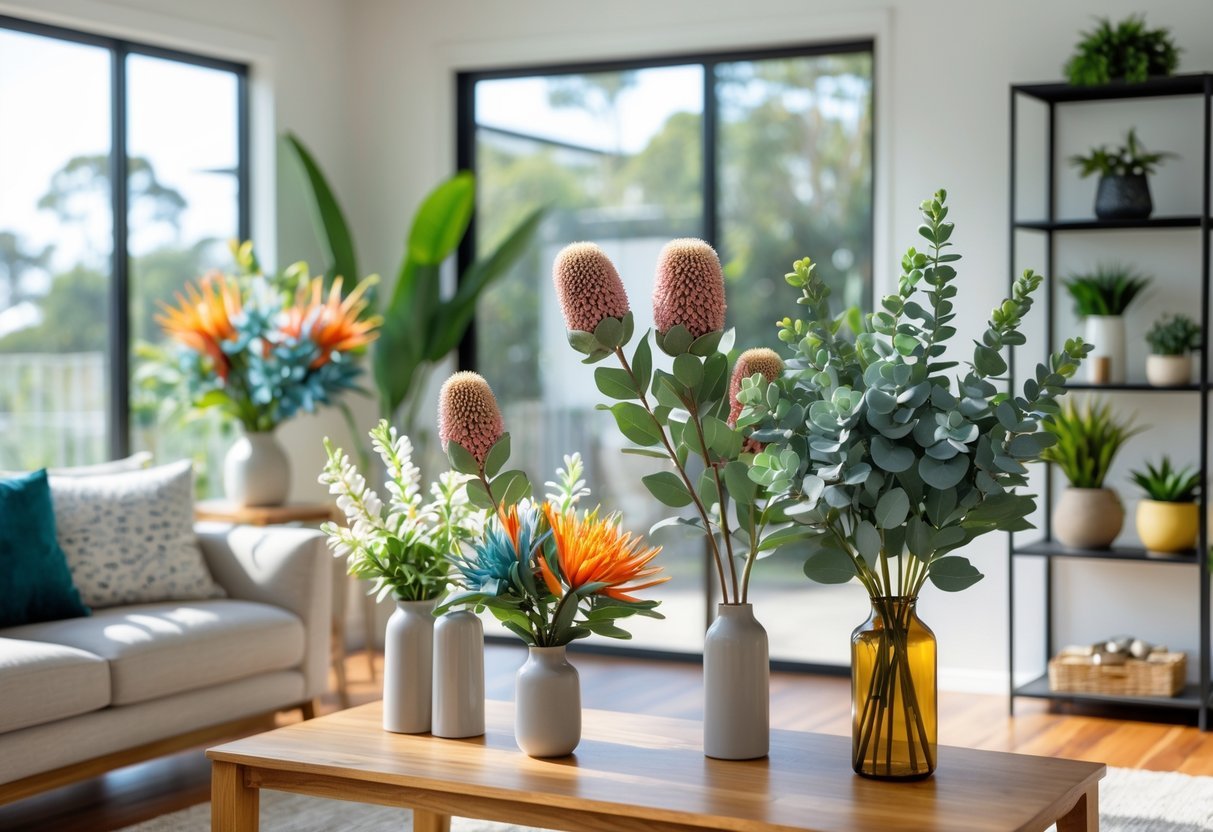
You want flowers that look fresh every day without the cost, allergens, or constant upkeep. Artificial flowers in Australia give you that flexibility, whether you style a city apartment, coastal home, or office space.
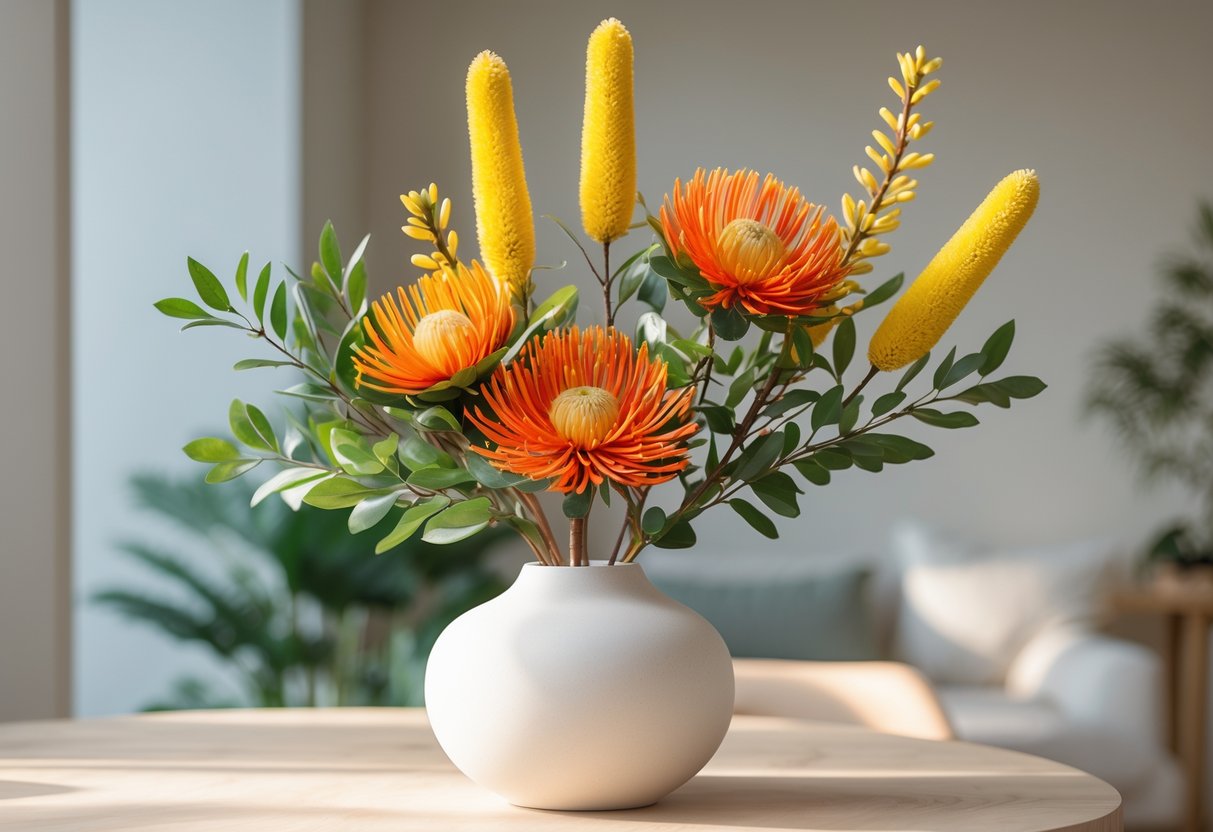
I see artificial flowers in Australia as a practical way to add long‑lasting colour and texture to your space without worrying about watering, wilting, or seasonal limits. You can choose realistic silk blooms, native-inspired arrangements, or modern minimalist stems that suit your décor and climate.
I’ll walk you through what’s available, how to choose the right style for your space, and where to buy quality options across Australia so you can decorate with confidence.
Key Takeaways
- Artificial flowers offer low‑maintenance, long‑lasting styling for Australian homes.
- You can choose from realistic silk blooms, native looks, and modern arrangements.
- Quality and design vary, so selecting the right supplier makes a difference.
Types of Artificial Flowers in Australia
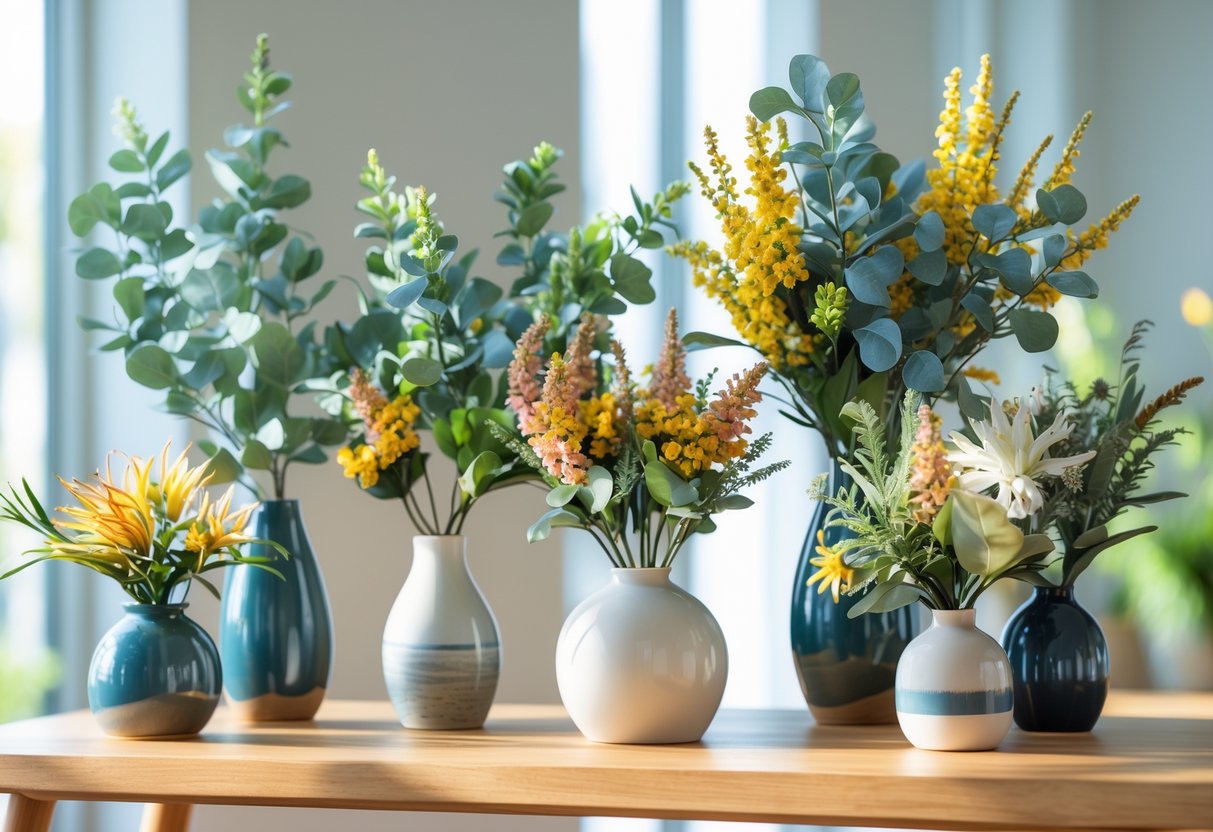
I see a wide range of artificial flowers across Australia, from single stems to full designer arrangements. The main differences come down to variety, material, and how brands release seasonal ranges.
Popular Varieties
When I browse Australian stores, I consistently find roses, peonies, orchids, hydrangeas, and native stems like eucalyptus and wattle.
Large retailers such as Realistic Artificial Flowers Australia stock individual stems, greenery, and ready-made arrangements. That makes it easy for me to build custom centrepieces or buy something pre-styled.
For modern interiors, I notice strong demand for neutral-toned roses, soft blush peonies, and white orchids. Native-inspired arrangements also appear frequently, especially when I shop from brands like Artificial Flowers Australia- Shop Online-Flowers-Greenery-Plants, where greenery plays a big role in the overall look.
For events and weddings, handcrafted options such as those featured by Faux Flowers Australia | Stunning & Realistic Artificial Blooms focus on bouquets and styled arrangements rather than loose stems.
Materials and Quality
Material makes a noticeable difference in how artificial flowers look and feel.
I often see three main types:
- Silk flowers – lightweight with detailed petals
- Real-touch or latex flowers – softer texture and more realistic feel
- Foam flowers – structured and budget-friendly
Retailers like Buy High-Quality Artificial Flowers Online – Realistic & Long-Lasting emphasise durability and realistic finishes, especially for home styling. Real-touch stems tend to feel more lifelike when I handle them, while silk versions often deliver stronger colour clarity.
Quality also depends on stem wiring, leaf detailing, and how the arrangement is constructed. Premium arrangements usually secure stems firmly and layer foliage for depth rather than spacing flowers evenly.
Seasonal Collections
Although artificial flowers last year-round, many Australian retailers still release seasonal collections.
I see spring-inspired palettes with soft pastels and fresh greenery, while autumn collections often feature deeper tones and textured foliage. Luxury-focused brands such as Artificial Floral Arrangements and Luxury Homewares Australia present curated collections designed to suit specific interior trends.
Some stores also publish annual buying guides, like the 10 Best Artificial Flowers in Australia – 2025, which highlight trending colours and popular styles.
Seasonal collections help me match arrangements to occasions, whether I’m styling a summer event, refreshing my home in winter, or preparing décor for a specific celebration.
Choosing Artificial Flowers for Australian Homes
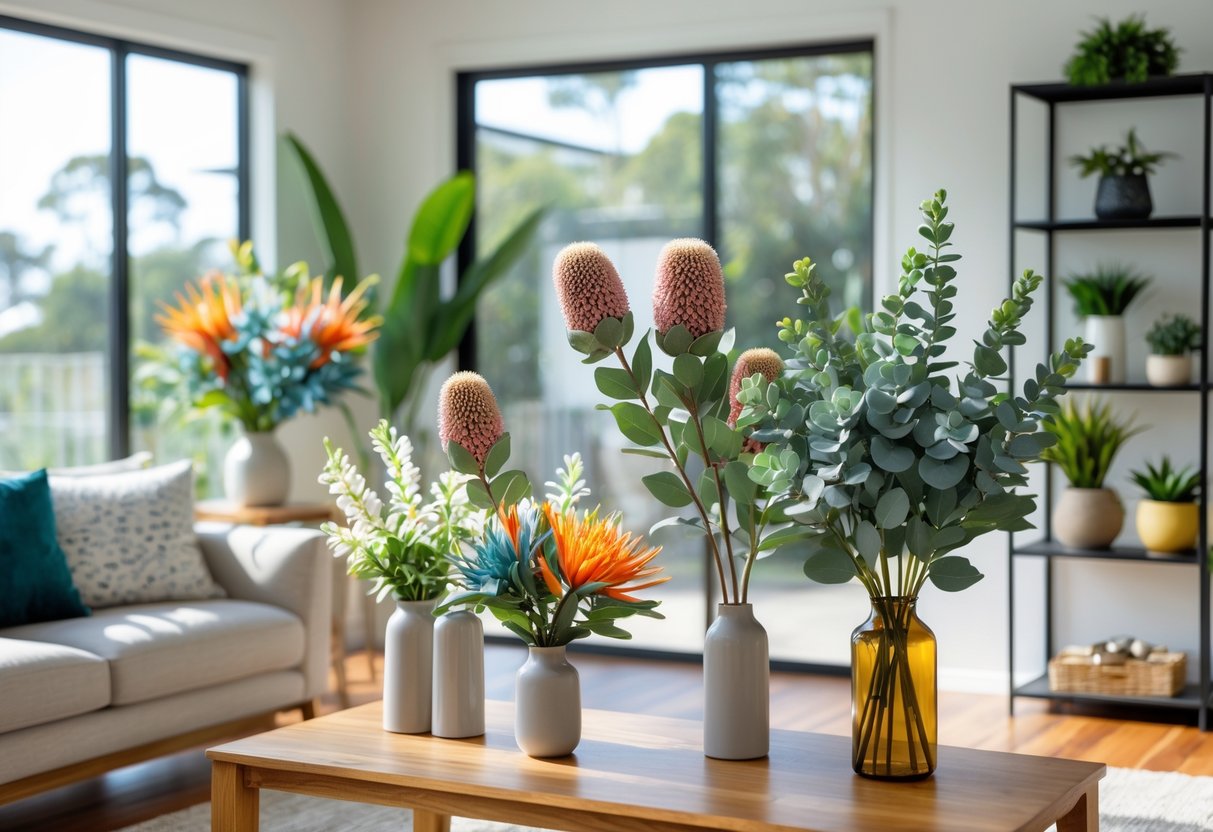
I focus on colour accuracy, proportion, and material quality when I choose artificial flowers for my home. I also consider how each arrangement fits my interior style, display space, and cleaning routine.
Choosing the Right Colours
I start with the existing colours in my room. Wall paint, flooring, and large furniture pieces guide my decisions more than small décor items.
If my space feels neutral, I add soft eucalyptus greens, creamy whites, or dusty pinks. These tones work well in many Australian homes and reflect native landscapes without overpowering the room.
For bolder interiors, I use deeper shades such as burgundy roses or vibrant tropical stems. I often browse options from retailers that specialise in realistic artificial flowers in Australia to compare colour depth and petal detail before deciding.
I also check the undertones. Warm whites pair better with timber floors, while cooler whites suit grey tiles or concrete finishes. Even slight differences can affect how natural the flowers look in daylight.
Matching with Interior Styles
I match flower types to the design style of my home rather than choosing purely on preference.
In a coastal setting, I lean towards white orchids, soft hydrangeas, or native-inspired greenery. For modern apartments, I prefer structured arrangements such as calla lilies or bird of paradise in simple vases.
When I want guidance, I look at curated collections like these faux flowers for home décor to see how different styles translate into real rooms.
I keep scale in mind. Large arrangements suit entry tables or dining settings, while small stems work better on bedside tables or shelves. If the proportions feel off, the space looks cluttered rather than styled.
Arranging and Displaying
I treat artificial flowers the same way I would fresh ones. I trim stems to the right height and adjust the angles so they don’t look stiff.
For smaller spaces, I often use a narrow-neck vase and limit myself to one or two stems. This technique mirrors advice I’ve seen for artificial flowers and faux flowers in Australia, where a single delicate stem can create a clean, simple look.
I vary height and texture within larger arrangements. Mixing greenery with focal blooms makes the display look more layered and less uniform.
I also consider placement carefully:
- Dining table: Keep arrangements low so they don’t block conversation.
- Entry console: Use taller pieces for impact.
- Bathroom: Choose compact stems that handle humidity.
Caring for Artificial Flowers
I maintain artificial flowers regularly so they keep their realistic appearance. Dust builds up quickly, especially in open-plan homes.
Once a week, I lightly dust petals and leaves with a microfibre cloth. For textured “real-touch” styles, I avoid harsh sprays and use a gentle wipe instead.
If I buy premium options like high-quality artificial flowers online, I expect durable materials, but they still need basic care. Direct sunlight can fade colours over time, so I avoid placing arrangements in strong afternoon sun.
I also reshape stems occasionally. Adjusting petals and leaves keeps the arrangement looking natural rather than flat or compressed.
Sustainable and Locally Sourced Options
When I choose artificial flowers in Australia, I look at how they’re made and where they come from. Materials and local supply chains make a real difference to long-term use, waste, and environmental impact.
Eco-Friendly Materials
I focus on artificial flowers designed for long-term use rather than short-term styling. High-quality silk, fabric blends, and durable synthetic materials last for years, which reduces repeat purchases and waste.
Some brands specialise in realistic, premium faux blooms built for longevity, such as premium silk flowers in Australia. I prefer options that feel sturdy, hold their colour, and don’t fray easily.
When assessing eco-friendly value, I consider:
- Longevity – Will they still look good in five years?
- Low maintenance – No water, fertiliser, or refrigeration required.
- Reusable designs – Suitable for events, home styling, and seasonal swaps.
Unlike fresh flowers, artificial arrangements don’t rely on cold transport or regular replacement. That consistency reduces ongoing resource use in homes and businesses.
Australian Local Suppliers
I also prioritise Australian-based retailers and studios. Buying locally keeps supply chains shorter and supports domestic businesses rather than overseas mass production alone.
Some stores offer nationwide delivery while operating within Australia, such as this artificial flowers store in Australia. I find that local businesses often provide clearer product details and better customer support.
When choosing an Australian supplier, I check:
| What I Look For | Why It Matters |
|---|---|
| Australian ownership | Supports local jobs |
| Transparent materials | Helps me assess durability |
| Physical showroom or contact details | Builds trust |
| Australia-wide shipping | Reliable delivery timelines |
Local suppliers also understand Australian interior styles and native aesthetics. That makes it easier for me to find arrangements that suit modern homes, coastal spaces, or native-inspired décor without importing from overseas.
Where to Buy Artificial Flowers in Australia
I find the best place to buy artificial flowers in Australia depends on whether I want convenience, custom design, or wholesale pricing. Some retailers focus on luxury real-touch stems, while others specialise in affordable bulk options for events and styling.
Online Florists and Marketplaces
When I want variety and fast delivery, I shop online. Many Australian retailers offer detailed product photos, close-up textures, and clear size guides so I know exactly what I’m ordering.
For premium arrangements, I look at brands like realistic artificial flower arrangements from Secret Blooms, which focus on modern, lifelike designs delivered across Australia and New Zealand. If I want handcrafted bouquets or wedding pieces, I explore artificial wedding bouquets from Jfloral, which designs and assembles arrangements locally.
When budget and bulk matter more, I compare ranges such as real touch artificial flowers in Australia. Large catalogues help me mix single stems, greenery, and ready-made arrangements in one order.
What I check before buying online:
- Delivery timeframes to my postcode
- Return policies
- Stem length and material details
- Close-up images for realism
Physical Stores and Specialty Shops
If I want to feel the texture and see colour tones in natural light, I visit a physical store. This helps me judge how realistic the petals and foliage look in person.
Wholesalers such as artificial flower wholesale supplier Koch & Co stock a wide range of floristry supplies and send products to major cities and regional areas. I use suppliers like this when I need larger quantities for events or business use.
Boutique retailers like Forever Flowering artificial flowers store in Australia focus on curated collections and ready-made arrangements. I find this helpful when I want something styled and ready to display rather than building it myself.
In-store shopping lets me:
- Compare colour shades side by side
- Check stem flexibility
- Ask staff about care and styling
- Take arrangements home immediately
Frequently Asked Questions
I often get asked about the types of faux blooms available, how to keep them looking fresh, where to buy quality stems, and whether custom designs or eco-conscious options exist. Below, I cover practical details about selection, care, retailers, lifespan, and sustainability in the Australian market.
What types of artificial flowers are available for purchase in Australia?
I see a wide range of artificial flowers across Australia, including silk, real touch, fresh touch, and soft touch varieties. Many retailers use these terms to describe different textures and finishes designed to mimic natural petals and foliage, as explained by Realistic Artificial Flowers in Australia.
I can also find classic roses, peonies, orchids, natives, and seasonal stems, along with artificial greenery, hanging plants, and full arrangements. Stores such as Poppin’ Flowers’ artificial flower collection highlight a broad mix of traditional blooms and modern styles suited to homes, offices, and events.
For weddings, I regularly see faux bridal bouquets, bridesmaid bouquets, and buttonholes available for delivery Australia-wide through specialists like Polly’s Secret Garden wedding FAQs.
How do I care for and maintain my faux floral arrangements?
I keep my artificial flowers out of direct sunlight to reduce fading over time. Even high-quality materials can discolour if exposed to strong UV light for long periods.
I dust stems and petals regularly using a soft cloth or a gentle brush. For heavier dust, I use a hairdryer on a cool, low setting to blow debris away without damaging delicate edges.
If I notice marks, I wipe them carefully with a slightly damp cloth and allow the arrangement to air dry fully before placing it back on display. I avoid harsh cleaning products because they can damage fabric and coatings.
Can you suggest some reputable retailers for high-quality artificial flowers?
I recommend exploring businesses that specialise in realistic faux botanicals rather than general discount stores. For example, Secret Blooms’ realistic faux flower range focuses on modern designs with lifelike finishes.
If I want fast dispatch within Australia, I check retailers that clearly outline shipping timeframes, such as Silk By Design’s delivery information, which notes orders are dispatched from a New South Wales warehouse with estimated delivery windows.
For those who prefer to see products in person, some companies like Silk Flora’s artificial flower showrooms confirm that they operate physical locations in addition to online stores.
Is it possible to customise artificial flower arrangements?
I can customise many artificial arrangements, especially for weddings and events. Florists who specialise in faux designs often create made-to-order bouquets, centrepieces, and installations using selected stems and colour palettes.
Businesses with experience in both fresh and artificial floristry, such as Florence & Alice’s faux wedding flower services, apply traditional floristry techniques to synthetic blooms. This approach allows me to request specific shapes, sizes, and colour combinations.
Some retailers also offer hire options for large-scale installations, which works well for one-day events.
How long do synthetic flowers typically last before they fade or wear out?
In my experience, quality synthetic flowers can last for several years indoors with minimal change in appearance. Lower-grade materials may show fraying or colour fading sooner, particularly in bright rooms.
Outdoor use shortens their lifespan. Exposure to heat, wind, and UV light can cause colours to dull and plastics to become brittle.
When I choose better-quality stems and care for them properly, I expect them to maintain their shape and colour far longer than fresh flowers, which naturally wilt within days.
Are there any eco-friendly options for artificial blooms in Australia?
I look for artificial flowers made with durable materials designed for long-term use, as longevity reduces the need for frequent replacement. Reusing arrangements for multiple events also lowers overall waste.
Some Australian suppliers focus exclusively on artificial stock rather than fresh flowers, such as Seaholly Flowers’ artificial flower sales and hire, which can support reuse across weddings and events.
When sustainability matters to me, I also consider dried flowers as an alternative. They are natural, long-lasting, and often locally sourced, which can reduce transport impacts compared to imported synthetic products.