
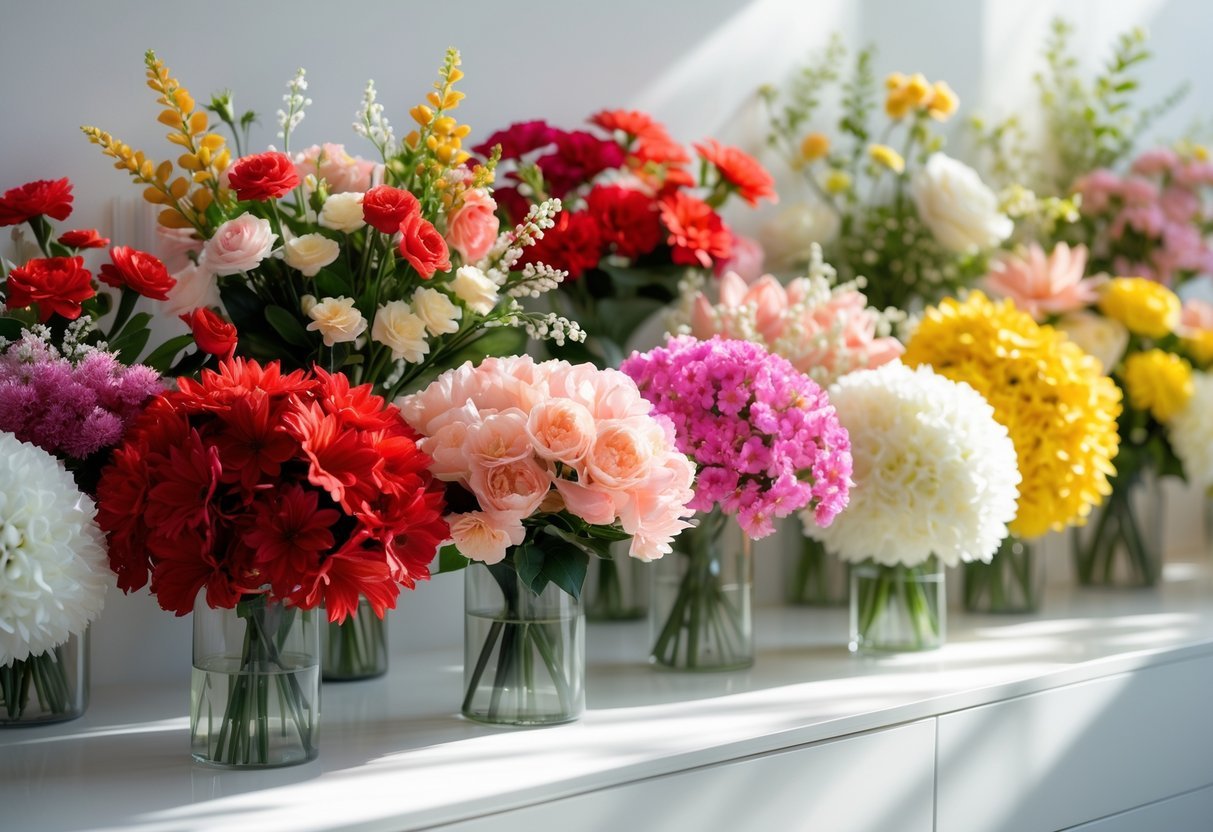
You want beautiful flowers that last, look realistic, and fit your life without stress. I’ve found that artificial flower bouquets give you that freedom while still delivering the style and colour you expect from fresh arrangements. They work just as well on a dining table as they do in a bridal party.
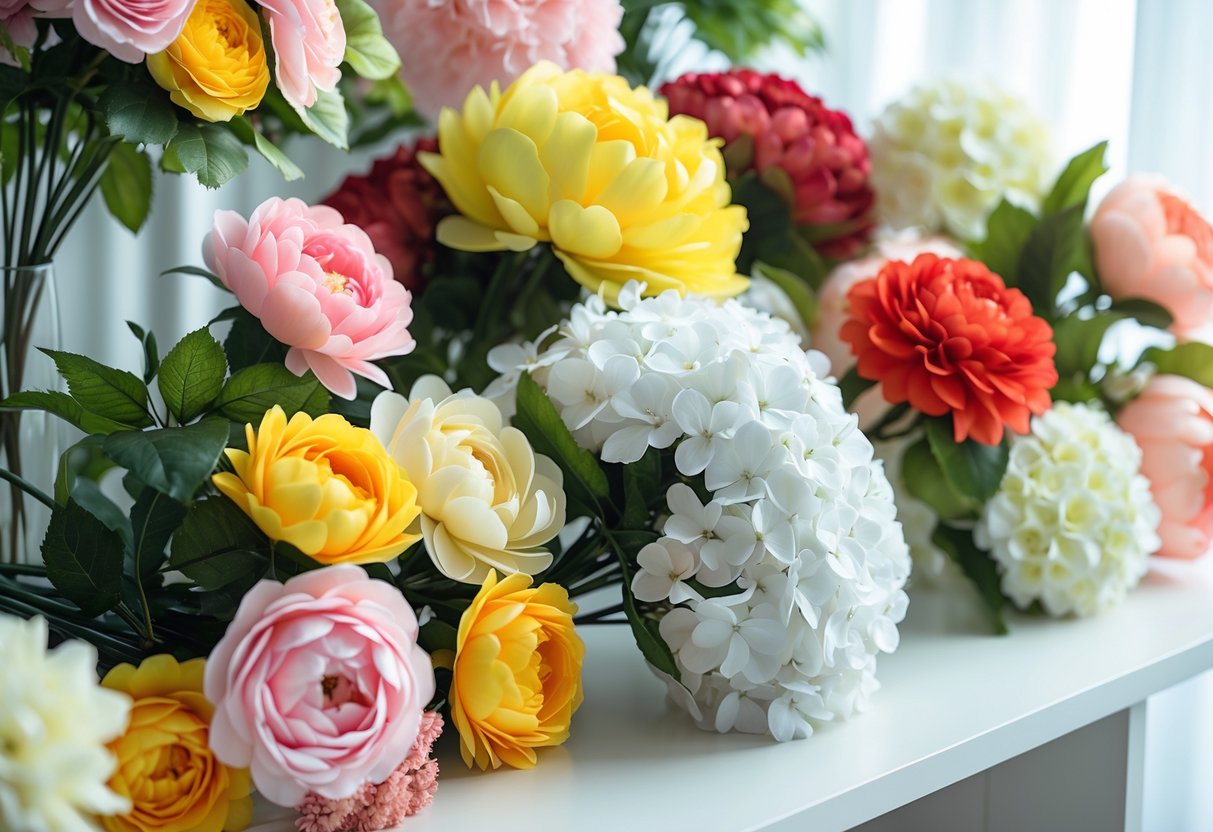
Artificial flower bouquets are lifelike arrangements made from quality faux materials that keep their shape, colour, and style without water or maintenance. I like how you can choose a design once and enjoy it for years, whether you use it for everyday décor or a once‑in‑a‑lifetime event.
I’ll walk you through how these bouquets work, why people choose them, and how you can style them so they look intentional rather than artificial. You’ll also see where they shine for weddings, gifts, and creative displays around your home.
Key Takeaways
- Artificial flower bouquets offer long‑lasting, low‑maintenance floral style.
- They suit weddings, home décor, and creative styling without ongoing care.
- Simple styling choices help faux bouquets look natural and polished.
What Are Artificial Flower Bouquets?
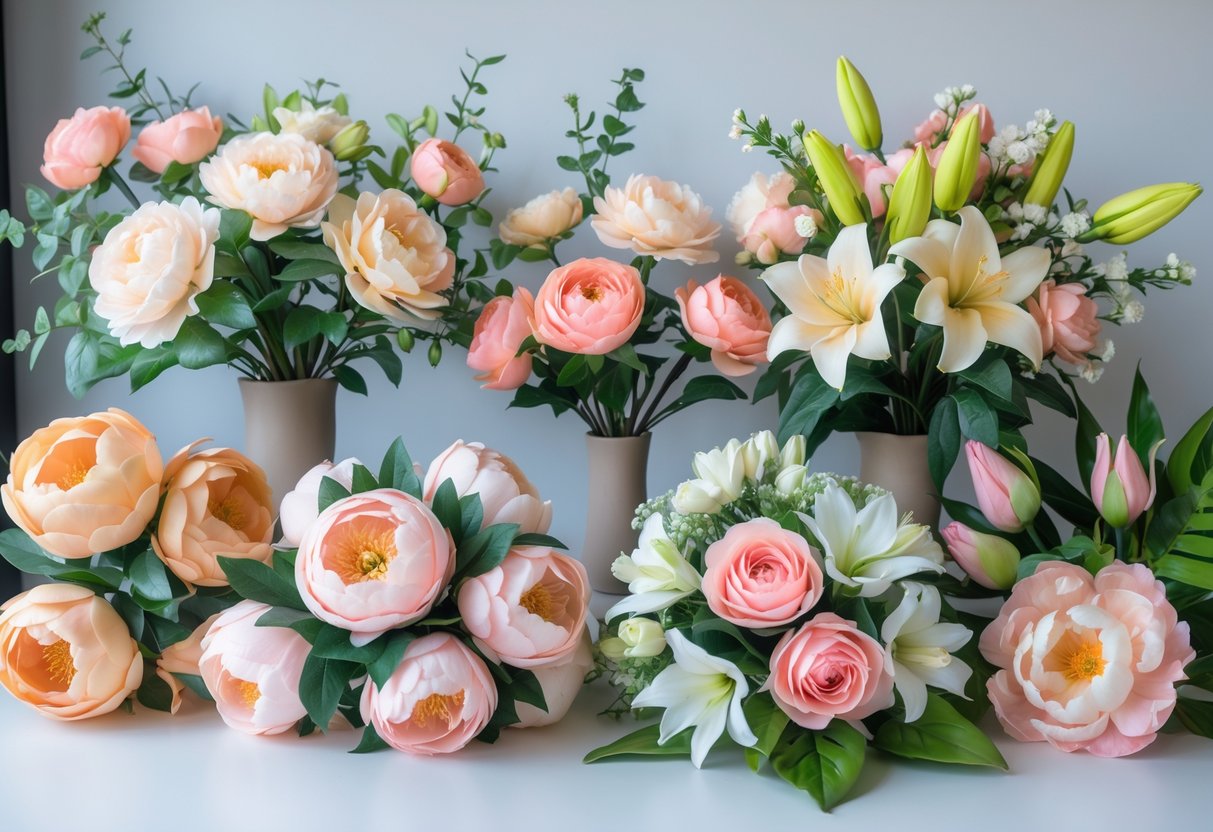
I use artificial flower bouquets to describe arranged collections of artificial flowers designed to look decorative and intentional, just like fresh bouquets. They rely on modern materials and careful assembly to deliver consistent shape, colour, and structure without watering or replacement.
Types of Artificial Flowers Used
Artificial flower bouquets use a wide range of faux blooms, each chosen for appearance, texture, and durability. Common options include roses, peonies, orchids, hydrangeas, and native-style stems.
Manufacturers create these flowers from materials such as silk, latex-coated fabric, plastic, and foam. Each material serves a different purpose depending on the flower type and how closely it needs to resemble a real bloom.
I often see bouquets built with mixed materials to balance realism and cost. Many retailers classify these arrangements under artificial flowers rather than by material alone.
Typical bouquet components include:
- Feature flowers for shape and focus
- Filler blooms for volume
- Faux foliage for contrast and structure
Differences Between Silk and Other Faux Blooms
Silk flowers sit at the premium end of faux flowers because they hold colour well and feel soft to the touch. Makers use tightly woven fabric with detailed printing to replicate petal veining and gradients.
Other faux blooms use plastic, polyurethane, or foam. These materials resist moisture and suit outdoor or high-traffic spaces, but they can feel firmer and look less natural up close.
I usually explain the differences like this:
| Material | Look | Feel | Best Use |
|---|---|---|---|
| Silk flowers | Highly detailed | Soft | Indoor bouquets |
| Latex-coated | Very realistic | Slightly rubbery | Close-up displays |
| Plastic | Durable | Firm | Outdoor décor |
Many Australian retailers specialise in faux flowers that blend materials for better balance.
Lifelike Details and Realism
Modern artificial flower bouquets focus heavily on realism. Designers now shape petals individually, vary stem lengths, and avoid perfect symmetry to mimic natural growth.
Colour variation matters. High-quality faux blooms layer tones within a single petal instead of using flat colour, which reduces the artificial look.
I also look for realistic foliage. Textured leaves, visible veining, and natural colour variation make a bigger difference than flower size alone.
Some suppliers describe these as “real touch” designs, which aim to match both appearance and feel. You can see how this approach works in premium artificial flower bouquets designed for long-term indoor display.
Benefits of Choosing Artificial Bouquets
I often recommend artificial bouquets when people want dependable décor that looks good every day of the year. They solve practical issues like upkeep, timing, and allergies without limiting style or colour choices.
Long-Lasting and Low-Maintenance
Artificial bouquets keep their shape, colour, and structure for years. I do not need to water them, trim stems, or replace wilted blooms, which saves time and effort.
Modern artificial flowers use improved fabrics and moulding techniques that create realistic textures and petal shapes. Many options now resemble fresh arrangements closely, which explains the growing interest in the benefits of artificial flower bouquets.
Maintenance stays simple:
- Light dusting every few weeks
- Occasional gentle wipe for deeper cleaning
- No special storage conditions
This reliability suits homes, offices, and events where consistency matters.
Seasonal Flexibility
Artificial bouquets let me choose any flower style at any time of year. I can display peonies in winter or natives outside their natural flowering season without compromise.
This flexibility helps with planning. For example, faux flowers work well for events booked months ahead, as explained in guides to artificial bouquets for Australian décor.
Artificial flowers also support long-term styling:
- Consistent colours across rooms
- Reuse for multiple occasions
- Easy rotation without replacement costs
I find this especially useful for rental properties or staged homes.
Allergy-Friendly Options
Artificial bouquets remove common triggers linked to pollen and strong floral scents. I can enjoy decorative flowers without sneezing, itching, or needing ventilation changes.
This makes faux flowers suitable for shared spaces like offices, clinics, and homes with sensitivities. Many people choose them for this reason when comparing real and artificial options, as outlined in discussions of real flowers versus artificial flowers.
They also suit:
- Households with children
- Pet-friendly environments
- Public venues with health considerations
I value the peace of mind they offer alongside their visual appeal.
Artificial Flower Bouquets for Weddings
I often recommend artificial flower bouquets for weddings because they offer consistent quality, long-lasting presentation, and clear pricing. Couples can plan colours, styles, and quantities early, then receive wedding flowers that look the same on the day as they did during planning.
Artificial Wedding Bouquet Styles
When I help choose an artificial wedding bouquet, I focus first on style and scale. Popular options include compact round bouquets, loose garden-style arrangements, and cascading designs with trailing greenery.
Many Australian couples prefer realistic silk or real-touch artificial wedding flowers because they photograph well and hold their shape in warm weather. Designers such as those offering artificial wedding flowers made in Melbourne often build coordinated sets, which helps keep the look consistent.
Common style elements I see requested include:
- Neutral palettes with soft texture for formal venues
- Native-inspired mixes for outdoor ceremonies
- Structured bouquets for modern weddings
Artificial wedding bouquets also allow early delivery, so styling decisions don’t feel rushed.
Bridal and Bridesmaid Bouquets
A well-balanced set of bridal bouquet and bridesmaid bouquets keeps the wedding party visually cohesive. I usually suggest a slightly fuller bridal bouquet, with simpler bridesmaid bouquet designs that repeat key flowers or colours.
Many couples choose ready-made sets from retailers like Australian artificial wedding flower collections, which often include matching buttonholes and smaller wedding bouquets. This reduces guesswork and ensures colour consistency.
Here’s a simple comparison I use when planning sizes:
| Bouquet Type | Typical Size | Purpose |
|---|---|---|
| Bridal bouquet | Medium–large | Main focal piece |
| Bridesmaid bouquet | Small–medium | Support the palette |
| Toss bouquet | Small | Practical extra |
Artificial flowers also travel well, which helps with regional or destination weddings.
Personalised Wedding Flowers
For couples wanting something specific, custom orders make a big difference. I’ve seen personalised wedding flowers work best when couples provide colour samples, dress photos, or venue details early.
Specialists offering custom artificial wedding flowers in Australia usually collaborate on flower types, stem length, and wrapping details. This process suits couples who want their wedding bouquets to reflect personal style without relying on seasonal availability.
Personalisation options often include:
- Colour-matched ribbons or fabric wraps
- Adjusted bouquet shapes for height or dress style
- Coordinated artificial wedding flowers for ceremony and reception
Custom artificial wedding flowers give control without the pressure of last-minute changes.
Creative Uses for Artificial Flower Bouquets
I use artificial bouquets to solve practical decorating problems while keeping a consistent look. They work well for centrepieces that need to last all day and for everyday spaces that benefit from stable, low‑maintenance colour.
### Centrepieces and Event Décor
I often rely on artificial flower bouquets for centrepieces because they keep their shape and colour from setup to pack‑down. For weddings, conferences, and dinners, this consistency matters more than scent or stem freshness. I arrange them low so guests can see across the table, or tall for entry tables and stages.
I build each artificial flower arrangement around a fixed base, then adjust height and density to suit the table size. Guides on making balanced bouquets, like this walkthrough on creating artificial flower bouquets for dining settings, help me plan proportions.
Common centrepiece formats I use
- Low bowl arrangements for round tables
- Long runners for banquet tables
- Statement pieces for signing or display tables
For larger events, I follow event‑focused styling ideas similar to those used in artificial flower décor for events, where repeatable designs reduce setup time.
### Home and Office Arrangements
At home and at work, I use artificial bouquets to add colour without ongoing care. I place them where natural light is limited or where real flowers would drop petals and create mess. Offices, entryways, and shelves benefit most.
I rotate artificial bouquets seasonally by swapping stems, not whole arrangements. This keeps costs down and storage simple. For everyday styling, I follow practical ideas like these ways to style artificial flowers in vases, which focus on scale and spacing rather than volume.
My placement checklist
- Match vase height to bouquet height
- Leave visible negative space between stems
- Use neutral containers for busy colours
This approach keeps artificial flower arrangements tidy and believable in daily settings.
Tips for Styling and Caring for Faux Bouquets
I focus on colour choice, thoughtful arranging, and simple care habits to make artificial bouquets look convincing and last longer. Small decisions, like stem tones and cleaning routines, have a big impact on how faux blooms perform in everyday spaces.
Choosing Realistic Colours
I start with colours that exist naturally in fresh flowers, even when I want something decorative. Muted whites, soft pinks, greens, and dusty pastels tend to read as real more often than highly saturated shades.
I also pay attention to variation within each stem. High-quality silk flowers usually include subtle colour shifts along petals and leaves, which helps avoid a flat look. Designer guidance on styling artificial flowers for a natural look reinforces this approach.
What I check before buying:
- Petals with slight tonal variation
- Greenery that includes lighter and darker leaves
- Stems without visible plastic seams
Matching bouquet colours to the room’s palette keeps artificial bouquets from standing out for the wrong reason.
Arranging and Mixing Varieties
I arrange faux blooms the same way I would fresh flowers. I vary stem heights, bend wires slightly, and avoid lining flowers up evenly. Perfect symmetry usually signals artificial flowers.
Mixing flower types and greenery improves realism. I often blend focal blooms with filler flowers and leaves, which mirrors how real bouquets grow. Practical ideas from creative faux flower styling techniques helped me refine this balance.
| Element | Purpose |
|---|---|
| Focal blooms | Draw the eye |
| Filler flowers | Add softness |
| Greenery | Create depth |
I also mix faux blooms with dried or preserved elements when the setting allows it.
Care and Maintenance Advice
I treat faux bouquets as décor that still needs upkeep. Dust builds quickly and dulls colours, especially on silk flowers. I lightly dust weekly with a soft cloth or makeup brush.
For deeper cleaning, I follow safe methods similar to those outlined in artificial flower care and cleaning guidance. I avoid soaking stems unless the manufacturer recommends it.
My basic care routine:
- Dust lightly once a week
- Reshape stems after cleaning
- Store spare artificial flowers in sealed boxes
Consistent care keeps artificial bouquets looking intentional rather than neglected.
Frequently Asked Questions
I focus on practical care steps, material choices, styling details, and current wedding trends. I also cover realistic presentation, customisation ideas, and places to buy better-quality artificial flowers with lower environmental impact.
How do I care for my artificial flower arrangement to keep it looking fresh?
I keep artificial flower bouquets out of direct sunlight to reduce colour fading. I dust them every few weeks using a soft cloth or a low‑setting hair dryer.
For deeper cleaning, I gently wipe petals with a damp cloth and let them air dry. Some retailers also share care guidance in their artificial flower FAQs, which I follow for specific materials.
What are the best materials to look for when choosing a durable faux flower bouquet?
I look for silk, latex, or polyurethane petals because they hold shape well and resist cracking. These materials often appear under names like Real Touch or Soft Touch.
High‑quality artificial florals use layered petals and flexible stems, which improves durability and realism. I rely on detailed buying advice from guides such as this artificial flowers buying guide in Australia.
Are there any tips for making a faux floral display appear more realistic?
I mix flower sizes and add greenery to avoid uniform spacing. I also gently bend stems so the arrangement does not look rigid.
Placing artificial bouquets in natural light, but not harsh sun, helps textures look more natural. Some styling tips from realistic faux flower retailers have helped me refine small details.
What are the latest trends in artificial floral arrangements for weddings?
I see strong demand for neutral palettes, dried-look textures, and sculptural shapes. Couples often choose artificial flowers for flexibility and advance preparation.
Hireable wedding sets and reusable ceremony pieces remain popular, especially for regional events. Many of these trends appear across Australian wedding suppliers like those featured in artificial wedding flower FAQs.
How can I customise a store-bought artificial bouquet to suit my home decor?
I start by removing a few stems and rearranging the spacing to match my vase. Swapping ribbon, trimming stems, or adding dried foliage also helps personalise the look.
Sometimes I blend store‑bought bouquets with individual stems for better colour balance. Wedding florists who offer custom options, such as those listed in faux bouquet FAQs, inspire many of my ideas.
Where can I find eco-friendly and high-quality artificial flowers?
I look for Australian retailers that focus on long‑lasting designs and reuse rather than single‑event use. Some shops highlight durable construction and recyclable packaging.
Melbourne‑based and Brisbane‑based studios often publish material and sustainability details online. I check supplier information like the guidance shared in luxury artificial flower FAQs before buying.