
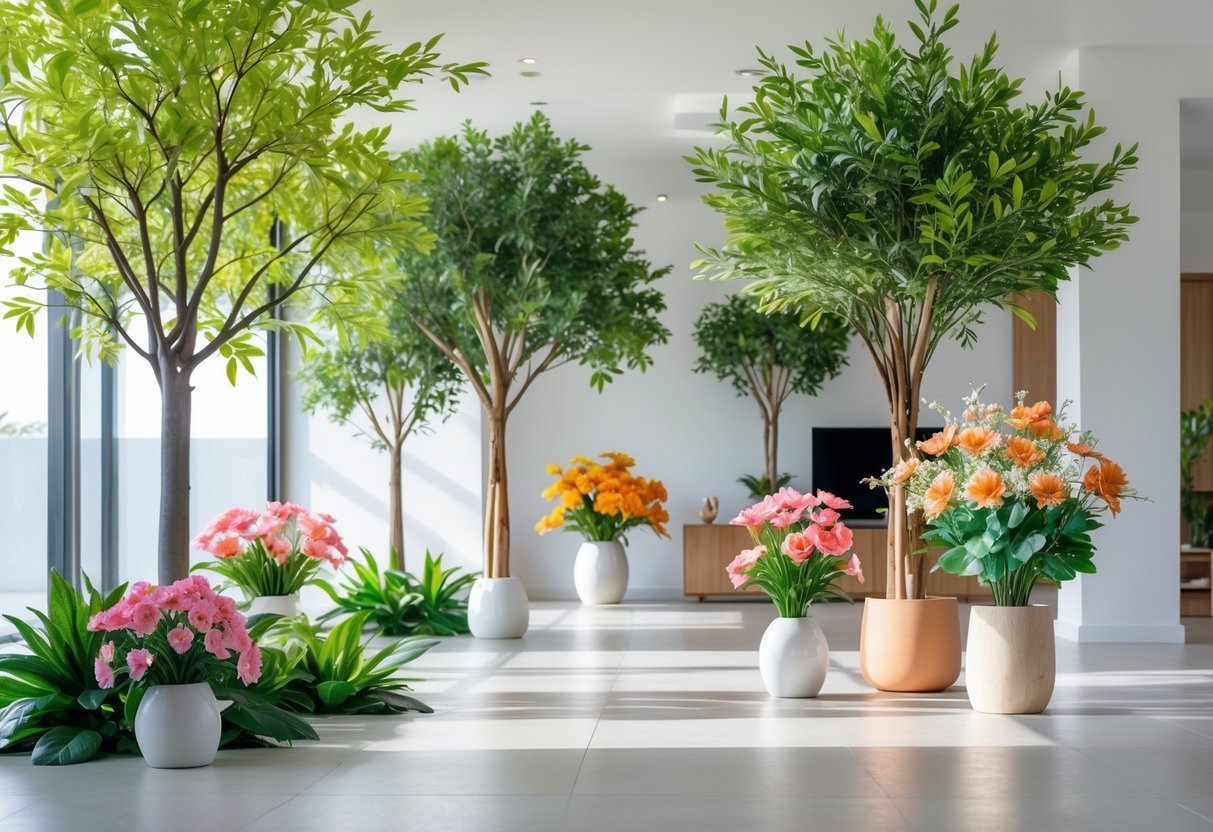
You want greenery that looks good every day without watering, trimming, or replacing tired blooms. I’ve seen how artificial flower arrangements, artificial trees, and artificial branches across Australia solve that problem while still delivering a natural look that suits modern homes and commercial spaces.
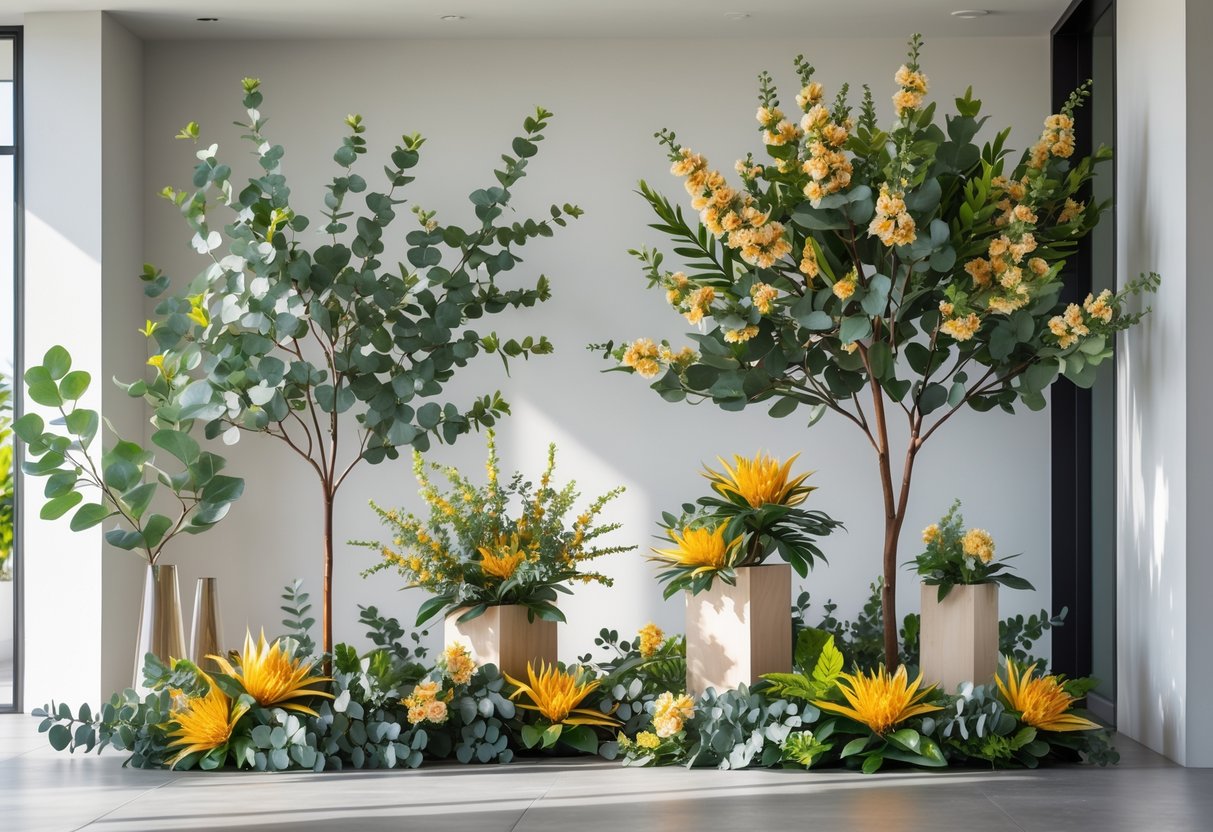
You can style long‑lasting faux greenery that stays realistic year‑round, works indoors or outdoors, and fits Australian interiors without ongoing maintenance. I use artificial flower arrangements to add colour where fresh flowers fail, artificial trees to fill empty corners with structure, and artificial branches to create flexible styling that changes with the season.
You’ll find options that suit apartments, offices, retail spaces, and events, with designs that range from minimal to bold. I’ll show you how these pieces work together, what styles suit Australian spaces, and how to choose options that look intentional rather than artificial.
Key Takeaways
- Faux greenery offers realistic style with minimal upkeep
- Trees, arrangements, and branches suit many Australian spaces
- Smart selection creates a natural, balanced look
Artificial Flower Arrangements in Australia
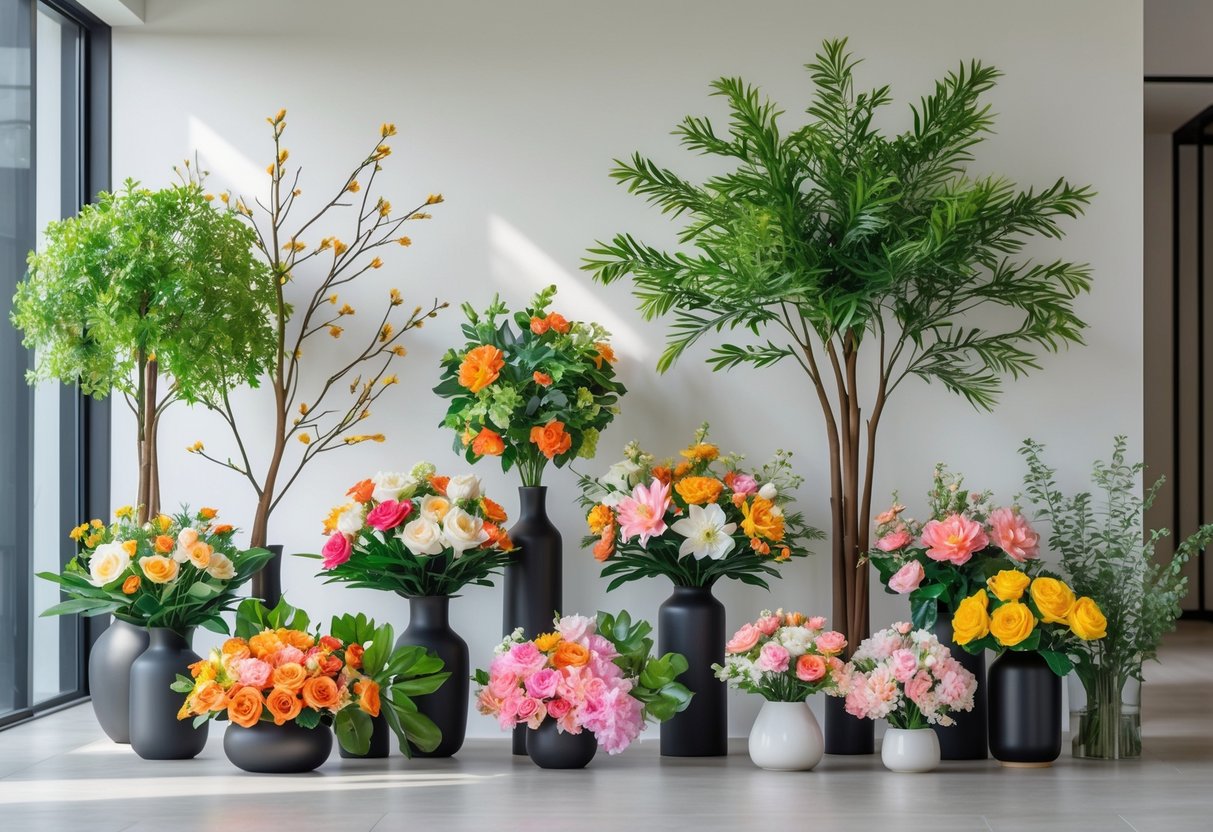
I see artificial flower arrangements used across Australian homes, offices, and events because they deliver consistent colour without ongoing care. Buyers usually focus on realism, durability, and whether the arrangement suits local interior styles and light conditions.
Types of Artificial Flowers
When I look at artificial flowers on the Australian market, I notice three main material types: silk, latex, and real-touch synthetic blends. Silk flowers suit decorative arrangements where fine detail matters. Latex and real-touch options work better for close-up areas because the petals feel more natural.
Popular flower types include roses, orchids, natives, and seasonal blooms that stay available year-round. Many suppliers also combine artificial plants and faux plants into mixed arrangements for added texture. Shops like realistic artificial flowers in Australia focus on lifelike finishes designed for long-term indoor use.
Popular Styles of Arrangements
I often see Australians choose styles that match modern interiors rather than overly dense bouquets. Clean lines and neutral tones dominate, especially for apartments and offices. Common arrangement styles include:
- Low table centrepieces for dining and coffee tables
- Tall vase arrangements for entryways and reception areas
- Native-inspired designs using eucalyptus and banksia
Many arrangements arrive pre-set in glass or ceramic vases, which saves setup time. Retailers offering artificial plants and floral arrangements with free Australia-wide delivery tend to focus on ready-to-display designs suited to both homes and commercial spaces.
Sourcing and Buying Tips
I always check construction quality before buying artificial flower arrangements. Stems should bend naturally, colours should vary slightly, and leaves should avoid a glossy finish. Weight also matters, especially for taller designs.
When buying online, I look for clear photos and delivery coverage within Australia. Some stores specialise in premium designs made for events and long-term display, such as lifelike faux flower arrangements delivered across Australia. I also consider whether the arrangement complements artificial trees or artificial branches already in the space to keep the look consistent.
Artificial Trees: Transforming Spaces
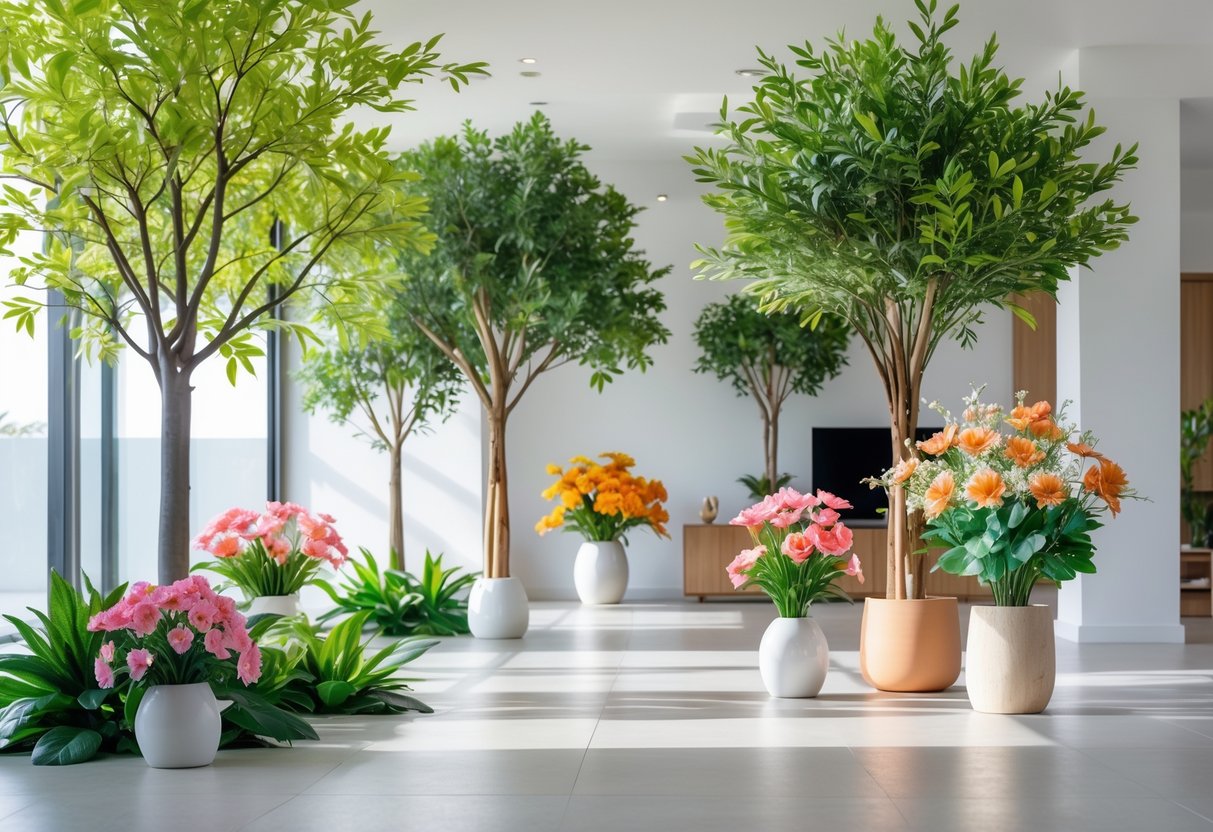
I use artificial trees to add height, structure, and visual balance without the upkeep of live plants. They work well in homes, offices, and retail settings, including a showroom where consistency matters. With realistic materials and stable forms, faux plants now fit modern Australian interiors with ease.
Most Sought-After Tree Varieties
I see strong demand for trees that mimic familiar Australian and Mediterranean species. Fiddle leaf figs, olive trees, and eucalyptus suit both residential and commercial layouts. Their leaf shapes read clearly from a distance, which helps anchor larger rooms.
Popular options vary by use:
- Olive trees for kitchens and dining areas with neutral palettes. I often reference ranges like realistic faux trees for homes and offices.
- Fiddle leaf figs for corners that need height without bulk, similar to styles seen in premium artificial trees for indoor or outdoor use.
- Palms and ficus for hospitality or retail spaces that need a softer outline.
I also notice curated collections from suppliers of artificial trees and plants in Australia that focus on realism and scale.
Choosing the Right Tree for Your Home or Business
I start with ceiling height, floor space, and viewing distance. A tall tree needs a stable base and enough clearance so it doesn’t crowd furniture or walkways. Leaf density matters more in compact rooms, where lighter canopies prevent visual clutter.
I use this quick guide when deciding:
| Space type | Recommended height | Leaf density |
|---|---|---|
| Apartment living room | 150–180 cm | Medium |
| Office reception | 180–220 cm | Full |
| Retail showroom | 200 cm+ | Full but structured |
For commercial interiors, I look at suppliers that provide design support, such as Australian interior landscapes with artificial plants. This helps match the tree to branding and traffic flow.
Caring for Artificial Trees
I keep care simple and consistent. Dust builds up faster on textured leaves, so I wipe foliage with a microfibre cloth every few weeks. In busy areas, I rotate the tree slightly to prevent uneven wear.
I avoid direct sunlight to reduce colour fade, especially near windows. For larger faux plants, I check joins and trunks quarterly to ensure stability.
In a showroom or office, I schedule light cleaning alongside regular maintenance. When stored or moved, I protect branches to maintain shape, similar to handling guidance from retailers of artificial plants and trees for interiors.
Artificial Branches Australia: Versatility and Styling
I use artificial branches to add structure, height, and texture without ongoing maintenance. They work across residential and commercial spaces and pair well with artificial leaves, artificial greenery, and faux greenery for consistent styling.
Creative Uses for Artificial Branches
I often style artificial branches Australia homeowners prefer in tall floor vases for entryways and open living areas. Long branches create vertical lines that make rooms feel more balanced and intentional.
For events, I use branches as lightweight statement pieces. They suit ceremony backdrops, aisle markers, and table centres when I group them in odd numbers. Neutral-toned branches also photograph well under different lighting.
Common placements I rely on include:
- Floor vases near doorways or staircases
- Console tables layered with candles or books
- Retail or office displays needing height without clutter
When I need variety, I source from suppliers offering a wide range of styles like artificial branches in Australia.
Incorporating Artificial Leaves and Greenery
I combine artificial branches with artificial leaves to soften hard lines and add fullness. Leafy stems help branches blend naturally into existing décor without looking sparse.
For a cohesive look, I keep leaf size and colour consistent. Mixing eucalyptus-style leaves with woody branches works well in Australian interiors. I also use faux greenery to fill gaps and reduce negative space.
Helpful pairing options include:
- Fine twigs with small artificial leaves
- Thicker branches with layered artificial greenery
- Minimal branches supported by trailing faux greenery
Wholesale ranges like bulk artificial branches make it easier to build larger arrangements without mismatched finishes.
Selecting Realistic Branches
I look closely at texture, colour variation, and flexibility when choosing artificial branches. Realistic pieces avoid flat colouring and include subtle bends or irregular shapes.
Scale matters. I match branch length and thickness to the container to prevent top-heavy arrangements. For floor vases, taller branches with a natural spread work best.
Before buying, I check:
- Stem finish and join quality
- Leaf attachment and spacing
- Whether the branch holds shape after styling
Specialty retailers offering lifelike artificial twigs and branches help me achieve a more natural result with less adjustment.
Trends and Inspiration for Faux Greenery
I see faux greenery shifting toward realistic textures, locally inspired styling, and flexible designs that suit homes and events. Artificial plants now focus on believable colour variation, layered arrangements, and reusable formats that work across multiple spaces.
### Australian Native Themes
I often lean into Australian native themes because they suit local interiors and handle bold styling without looking forced. Artificial branches that mimic eucalyptus, banksia, or gum leaves work well in tall vases or clustered arrangements. These styles pair easily with timber furniture and neutral walls.
Many modern artificial flower arrangements now mix native foliage with soft filler stems to avoid a flat look. I see this approach reflected in current artificial floral trends for 2025, where textured greenery replaces traditional leafy fillers.
Popular choices I use often:
- Matte eucalyptus sprays
- Olive-toned gum leaves
- Seeded native branches
These options keep artificial greenery grounded and familiar in Australian homes.
### Modern Minimalist Displays
I use modern minimalist displays when I want clean lines and low visual noise. A single artificial tree or sculptural branch often makes more impact than a full arrangement. This works especially well in apartments or offices with limited floor space.
High-quality artificial plants now use improved materials that reduce shine and create more natural movement. Design guides focused on integrating artificial plants into interiors highlight restrained palettes and repetition as key principles.
| Element | What I Look For |
|---|---|
| Colour | Soft greens, grey-green tones |
| Container | Stone, ceramic, or concrete |
| Placement | Corners, entryways, sideboards |
This approach keeps faux greenery intentional rather than decorative clutter.
### Event and Wedding Decor
I rely on faux greenery for events because it offers consistency and flexibility across venues. Artificial branches and trailing foliage allow large-scale installs without wilting or colour shifts. This matters for long setups and outdoor ceremonies.
Stylists increasingly use reusable installations, a trend supported by suppliers of artificial greenery for weddings and events. Hanging garlands, table runners, and backdrop walls now feature layered greenery instead of flowers alone.
I also see more couples choosing artificial trees for aisles and statement entrances. These pieces transport easily, photograph well, and stay intact from ceremony through reception without touch-ups.
Where to Shop: Showrooms and Online Stores
I usually see two clear paths when buying artificial flower arrangements, artificial trees, and artificial branches in Australia. Some people want to see and touch products in a showroom, while others prefer the range and convenience of online stores. Both options work well when you know what to look for.
Visiting Local Showrooms
I like visiting a showroom when realism matters most. Seeing artificial flowers in person makes it easier to judge colour accuracy, texture, and scale. This matters for large artificial trees or statement arrangements that need to suit a specific space.
Showrooms also let me compare styles side by side. Many Australian retailers display finished arrangements, loose stems, and branches together, which helps with planning custom pieces. Staff often share practical advice on sizing, styling, and maintenance.
I often see dedicated artificial flower showrooms in capital cities. Some, like stores specialising in realistic artificial flowers in Australia, focus on both retail and wholesale, which suits home buyers and businesses.
Shopping Online Across Australia
I shop online when I want a wider range or need delivery outside major cities. Online stores usually carry more artificial flower arrangements, artificial trees, and branches than physical showrooms.
Many Australian retailers provide detailed product photos, close-ups, and size guides. This helps me visualise how an artificial tree will look in a room or how a branch will sit in a vase. Some sites also show styled examples for homes and commercial spaces.
I often browse shops like premium artificial flowers and arrangements or retailers offering luxury artificial flower arrangements when I want higher-end designs delivered nationwide.
Tips for Evaluating Quality
I always check materials first. High-quality artificial flowers use silk, latex, or “real touch” finishes rather than stiff plastic.
I look closely at:
- Stems and joints for visible seams or wires
- Colour variation within petals and leaves
- Weight and balance of artificial trees
Product dimensions matter more than photos suggest. I double-check height, width, and pot size to avoid surprises.
When shopping online, I review return policies and customer photos. These details give me confidence before committing to larger artificial trees or custom arrangements.
Frequently Asked Questions
I often get questions about quality, care, and styling when it comes to artificial flower arrangements, artificial trees, and decorative branches. These answers focus on materials, maintenance, and practical styling choices that work well in Australian homes.
How can I tell if an artificial plant is of high quality?
I look closely at the materials and construction. High-quality artificial plants use layered fabrics, textured stems, and natural colour variation rather than flat, shiny finishes.
Well-made options often appear in specialist ranges like these realistic artificial plants in Australia, which focus on proportion and botanical accuracy rather than volume.
What’s the best way to clean and maintain artificial flower arrangements?
I usually dust artificial flower arrangements every few weeks using a soft cloth or a handheld duster. For deeper cleaning, I use a damp cloth with plain water and let the flowers air dry completely.
Many suppliers also share care advice, similar to the guidance found in this silk flower FAQ, which recommends avoiding harsh chemicals and direct heat.
Are there any realistic-looking faux trees that suit Australian homes?
I’ve seen many artificial trees designed to suit Australian interiors, especially open-plan living spaces. Styles like ficus, olive, and eucalyptus tend to look natural and scale well in local homes.
Retailers offering artificial trees for indoor spaces often focus on soft leaf shapes and neutral tones that blend easily with Australian décor.
What are some creative ways to style artificial branches in my space?
I like using artificial branches as standalone features in tall vases or grouped in uneven numbers for a more natural look. They also work well laid across shelves or dining tables for subtle texture.
Suppliers of artificial branches in Australia offer styles that suit both minimal and layered interiors without needing extra accessories.
Can artificial plants be used outdoors, and how do they hold up against the weather?
I only use artificial plants outdoors if they’re labelled as UV-resistant. Outdoor-rated plants handle sun exposure better and fade more slowly than indoor-only designs.
Many Australian retailers explain the differences in their artificial plant FAQs, especially when it comes to heat and placement.
What should I look for when choosing an artificial plant to ensure it fits with my decor?
I match the plant’s size, colour tone, and container style to the room rather than choosing based on trend. Neutral greens suit most spaces, while softer or muted shades work better in modern interiors.
Shopping guides like this overview of artificial flowers in Australia help clarify how different styles suit specific rooms and layouts.