
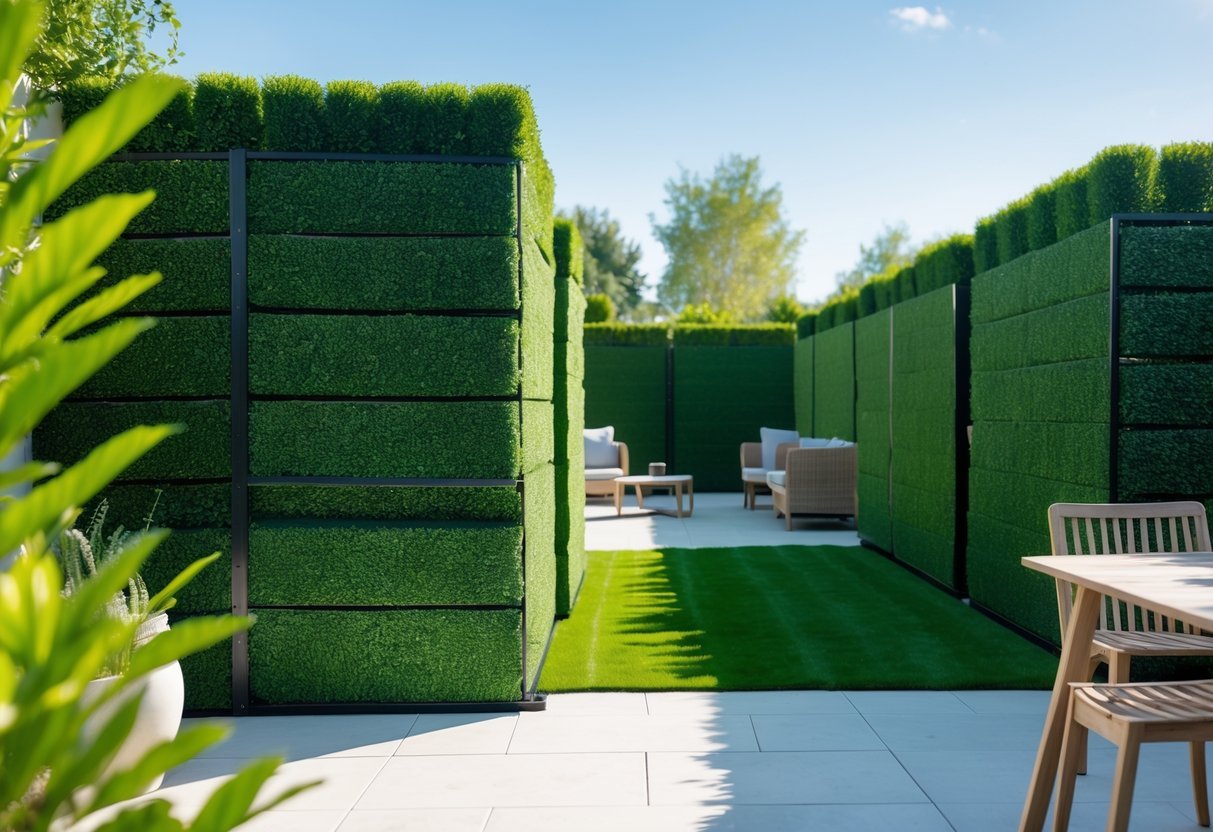
Whether I’m sprucing up my outdoor space or adding a green touch indoors, artificial expandable hedges offer a simple, stylish solution. Artificial expandable hedges let me enjoy lush greenery and natural privacy with zero gardening or ongoing maintenance. These versatile panels can stretch to fit fences, balconies, or even open-plan areas, instantly creating a fresh and tidy look.
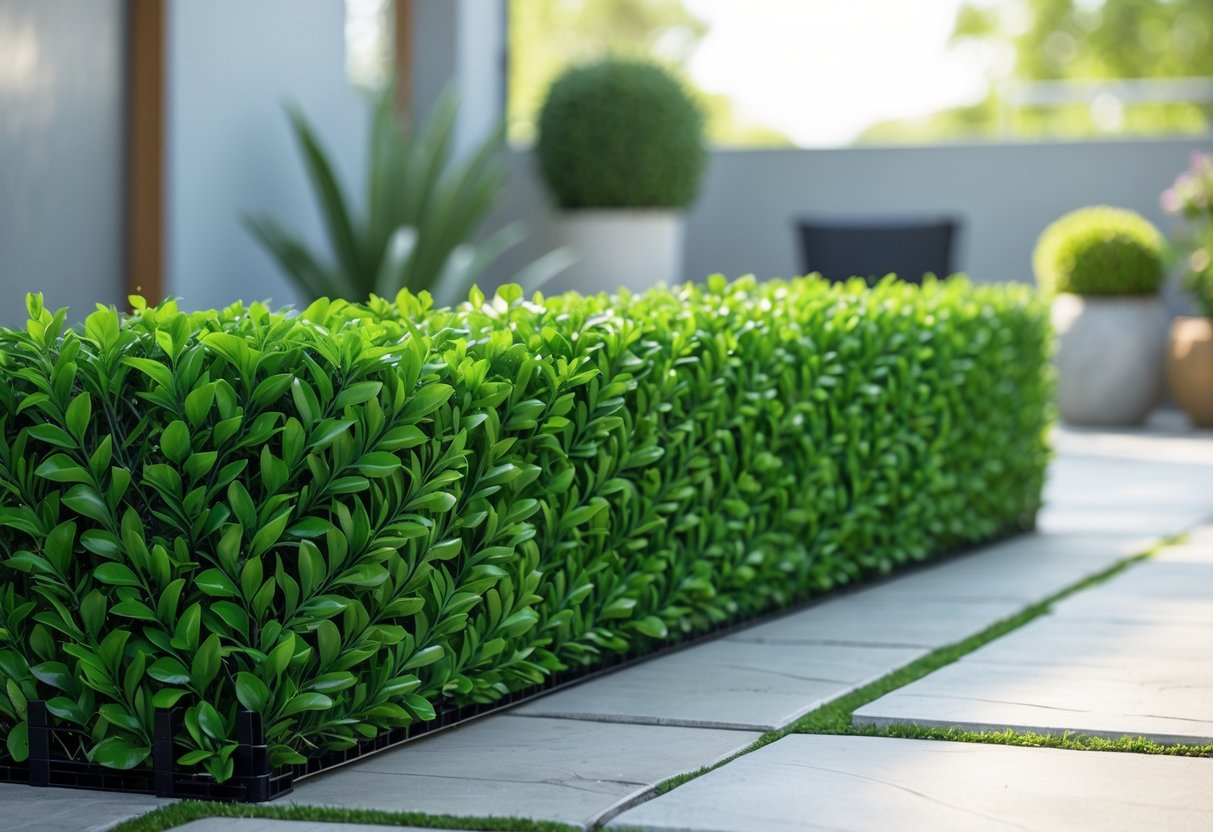
I find them especially handy for dividing spaces, providing privacy, or covering up unsightly walls—they’re a practical choice for both renters and homeowners. With life-like foliage and a wide range of styles, sizes, and colours available, it’s easy for me to match my aesthetic and space requirements. For more details or to view a range of options, I like to browse selections from Bunnings or look into designer hedge panels for extra inspiration.
Key Takeaways
- Artificial expandable hedges are easy to install and customise.
- They offer an attractive, low-maintenance privacy solution.
- Various styles and sizes fit most home and office needs.
What Is an Artificial Expandable Hedge?
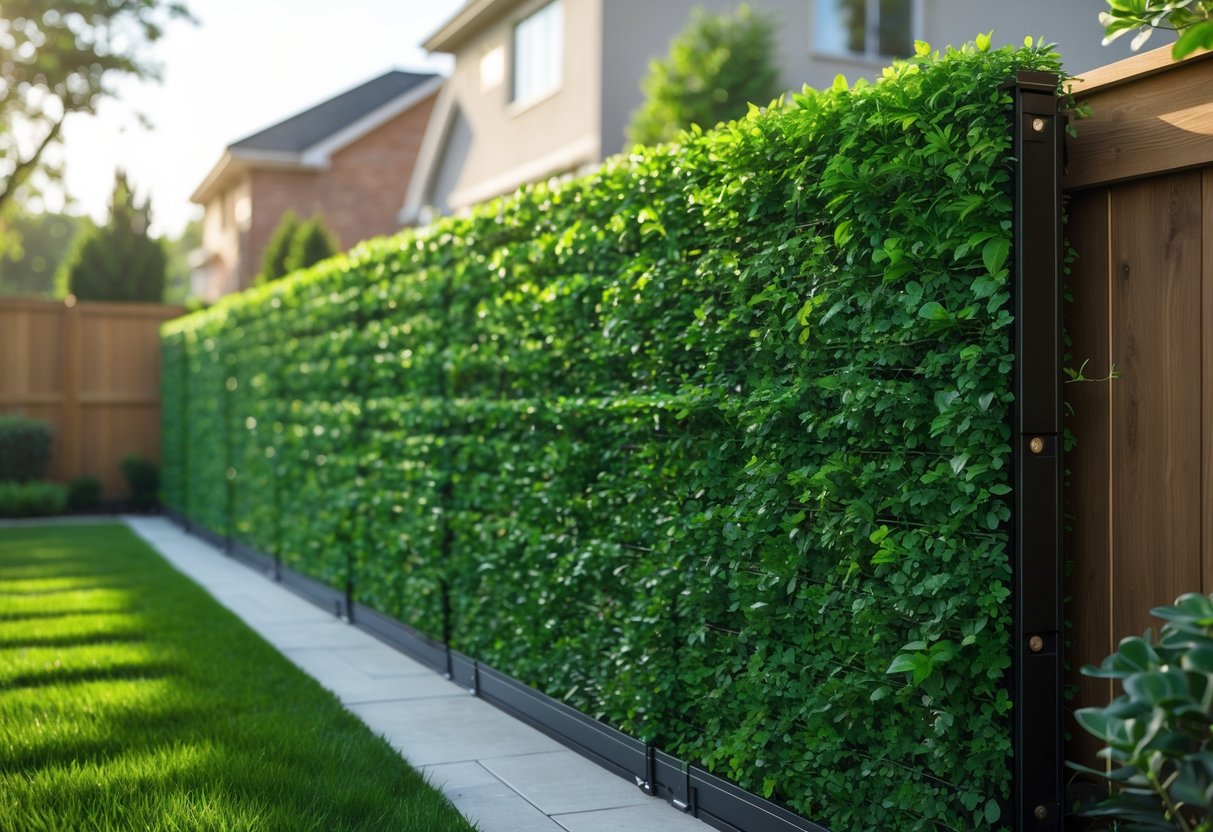
An artificial expandable hedge is a versatile, low-maintenance solution for instant greenery and privacy. It closely imitates the look of real plants, while offering practical benefits that are perfect for both indoor and outdoor spaces.
Key Features
Artificial expandable hedges are designed for flexibility and convenience. They provide a quick way to transform drab walls or fences into lush, green backdrops, making them popular for homes, cafes, offices, and gardens. I find them especially helpful because they need almost no maintenance after installation.
These hedges are lightweight, easy to transport, and allow for DIY setup with simple attachments such as hooks, ties, or nails. Many feature UV-resistant foliage to prevent colour fading from sunlight. They offer privacy, block unsightly views, and can help reduce noise in busy settings. Sizes and patterns vary, so I can choose options like boxwood, ivy, or bamboo to match my décor and preferences. For more information about different styles and practical uses, you can visit this comprehensive artificial hedges guide.
Materials Used
The main materials used in artificial expandable hedges are synthetic plastics such as polyethylene (PE) and polyvinyl chloride (PVC). These plastics are chosen for their durability and ability to mimic the texture and colour of real leaves. High-quality products often use UV-stabilised plastics, so my hedge stays vibrant, even in harsh Australian sun.
The leaves are attached to a flexible backing, usually a trellis made of plastic or lightweight timber. Some designs include a mesh or fabric backing for extra support. The combination of these materials results in a product that can withstand weather, resists mildew, and maintains a realistic appearance over time. I find that investing in quality materials pays off in a better-looking and longer-lasting hedge.
Expandable Mechanism
The expanding mechanism is what sets these hedges apart. I think of it as like an accordion—the trellis-style frame stretches horizontally or vertically to fit a range of spaces. This expanding lattice often uses interlocking slats or hinged panels, so I can quickly adjust the width or height while keeping the leaves evenly spaced.
To install, I unfold the hedge to my desired size, then secure it to a wall, fence, or balustrade with cable ties or hooks. This design makes them suitable for both temporary displays and permanent fixtures. I appreciate that I can easily move or reshape the hedge to suit different events or layouts, making it a practical choice for renters or frequent decorators. For a closer look at how the expandable feature works, check out this expandable artificial hedge.
Benefits of Artificial Expandable Hedges
Artificial expandable hedges offer a practical way to add greenery, privacy, and style to your space while cutting down on regular chores. I find that their clear functional advantages make them an attractive alternative to living hedges, especially for homes and commercial spaces across Australia.
Low Maintenance
One of my favourite things about artificial expandable hedges is the almost effortless upkeep. There’s no watering, mowing, or fertilising. I save time by not needing to worry about seasonal pruning or removing dead growth, and I don’t have to deal with pests or plant diseases.
These hedges stay looking tidy and green year-round. If they get dusty, I simply wipe them down with a damp cloth or garden hose. I don’t need to replace sections due to fading or browning, since quality options are designed to maintain their colour much longer than real plants. This makes them a smart choice for anyone seeking low-maintenance outdoor design.
Privacy and Screening
Privacy is crucial in many outdoor areas, and artificial expandable hedges make this easy. Their dense foliage provides a reliable barrier that blocks unwanted views and creates a sense of separation. I find this especially useful for balconies, patios, and around pools.
I can easily adjust or move expandable hedges as my needs change. When compared to traditional fencing, these hedges offer a softer, more natural appearance while still delivering privacy. Artificial hedge screens are used in a wide variety of applications, from covering dull fences to serving as decorative privacy panels at events.
Weather Resistance
In Australia’s often harsh climate, weather resistance is a must for any outdoor feature. High-quality artificial hedges are made from UV-resistant materials to prevent fading and cracking. I don’t have to worry about hail, excessive sun, or heavy rain damaging my artificial hedge.
Unlike natural plants, these expandable hedges won’t wilt or rot after a heatwave or downpour. Many products are designed to withstand wind and fluctuating temperatures. This durability means I get reliable performance and lasting appearance, rain or shine, with minimal concern about weather-related replacement or repair.
Choosing the Right Artificial Expandable Hedge
When I’m selecting an artificial expandable hedge, I like to consider practical aspects such as fit, style, and durability in the sun. I find that focusing on accuracy and compatibility ensures a hedge will look great and last longer in my space.
Measuring Your Space
First, I grab a measuring tape and note down the width and height of the area I want to cover. Getting precise measurements really does make a difference, especially since expandable hedges are designed to stretch and fit awkward or narrow spaces. Without the right numbers, I could end up with gaps or an overcrowded look.
Here’s a simple table I use for planning:
| Area | Recommended Height | Recommended Width |
|---|---|---|
| Balcony railing | 1m | Custom (varies) |
| Backyard fence | 1.8m | 2m or more |
| Patio divider | 1.5m | 1m – 2m |
I always check if the hedge can be trimmed or further expanded to match my exact requirements. Many artificial hedges are modular, allowing me to join panels or cut them without damaging the structure. This flexibility is great for corners and tight spots. When in doubt, I check the manufacturer’s specs or guides from specialists, like the practical advice found in this artificial hedge guide for buyers.
Matching to Outdoor Décor
I treat my hedge like a piece of décor, so it should blend in or enhance my outdoor setting. There’s a wide variety of leaf styles, colours, and densities—everything from lush boxwood to vibrant faux ivy. I look for greenery that complements my existing plants, patio furniture, or paint colours.
To make sure it’s the right fit, I compare texture, shade, and plant type. For a more natural effect, I often pick mixed foliage panels with varied greens and subtle flowers or berries. Choosing a style that matches my garden theme keeps my space cohesive and inviting. For more tips on picking aesthetically pleasing options, there are lots of inspiration photos in guides like this artificial hedge style resource.
UV Protection Options
Outdoor sun can fade synthetic leaves, so I always pay attention to UV resistance. The best expandable artificial hedges use UV stabilised materials to guard against cracking and colour loss over time. I check product descriptions or labels for phrases like “UV resistant” or “weatherproof”.
Manufacturers may offer different levels of UV treatment, so I look for ones backed up by guarantees or long-term outdoor use claims. Lifelike appearance remains longer when these features are included. For those who want more detail about material durability and maintenance in local conditions, I recommend reading this primer on UV protection for outdoor hedges.
Installation and Care Tips
Artificial expandable hedges are easy to set up and only require basic maintenance. It’s possible to achieve a natural-looking green screen while keeping ongoing cleaning and care straightforward.
Simple Installation Steps
I start by measuring the area where I want to mount my hedge, making sure the wall or fence is clean and dry. Most expandable hedges are lightweight, so I can easily handle them by myself. Attach the hedge by expanding it to my desired width and height, making sure there are no gaps.
For securing, the best results come from using sturdy materials such as cable ties, screws, or staples. If I’m fixing the hedge to a fence, I use zip ties threaded through the lattice. On solid walls, I prefer hooks or screws for extra strength. For rental properties or temporary screening, removable adhesive hooks are handy. A pair of scissors or garden shears makes trimming panels to size quick and easy, ensuring a custom fit at edges and corners. For a detailed step-by-step process, I follow this installation guide.
Cleaning Methods
Routine cleaning keeps my artificial hedge looking fresh and vibrant. I use a soft-bristled brush or a microfibre cloth to dust leaves and remove loose dirt. For more stubborn grime, I gently hose the panels with water, making sure the pressure isn’t too high to avoid damaging the foliage.
If my hedge is extra dirty, especially after a dusty season, I add mild soapy water and rinse thoroughly with clean water. I avoid harsh cleaners and bleach, as these can fade or damage the synthetic leaves. Drying naturally in the sun is usually enough, but for shaded spots, I use an old towel to blot away excess moisture. Keeping the hedge clean ensures it remains attractive and free of stains.
Longevity Tips
To maximise the lifespan of my artificial expandable hedge, I inspect it every couple of months for any loose fastenings or damage. I fix small tears or replace broken zip ties promptly, so panels don’t sag or shift over time. If my hedge is installed in a very sunny spot, I prefer UV-treated panels to prevent premature fading.
I also check for leaves that look worn or have come loose and reattach or replace them as needed. Avoiding abrasive tools and strong chemicals prevents unnecessary wear. For extra durability, I avoid high-pressure sprays and use gentle, routine cleaning instead. If I move or store the hedge, I do so carefully to keep the structure intact and prevent bends or cracks. More detailed care information can be found in this artificial hedge care guide.
Frequently Asked Questions
I often get questions about setting up, caring for, and choosing the right artificial expandable hedge at home. Here I’ve provided clear answers based on personal experience and the latest product details so you can make the best choice for your space.
How can I install an expandable faux hedge at my home?
Installing an expandable hedge is quite simple and doesn’t require special tools. Most designs use a lightweight trellis frame that expands to your desired width and height, making it easy to position against fences, walls, or balconies. I usually secure mine using cable ties, hooks, or screws, depending on my intended surface and weather conditions.
If you need step-by-step guidance, you can find instructions and tips for installation in this artificial hedge installation guide.
What maintenance does an artificial extendable hedge require?
I’ve found that artificial hedges need very minimal upkeep compared to real plants. They only need the occasional dusting or spray with a garden hose to remove dirt and grime.
Since the foliage is made of UV-stabilised plastic or similar materials, there’s no need to worry about watering, fertilising, or pruning. Every few months, I wipe down visible surfaces for a fresh, tidy appearance.
Are expandable synthetic hedges safe for pets?
In my experience, most artificial expandable hedges are safe for pets. The materials used, especially the plastic leaves and mesh backing, are non-toxic and generally harmless.
However, I always check that there aren’t any loose plastic pieces or sharp wire ends, especially if I have pets that like to chew or rub against the panels. Selecting a hedge certified free from harmful chemicals provides extra peace of mind.
What materials are used in making a durable artificial hedge that extends?
Durable expandable hedges are typically constructed using UV-stabilised polyethylene or PVC for the foliage, which helps prevent colour fading and brittleness. The lattice or trellis base is commonly formed from flexible plastic or wire that allows for repeated stretching and contracting.
If you’re seeking a specific material breakdown and want to learn more about the advantages of these options, you should check out this artificial hedge buying guide.
How long can I expect my faux expandable hedge to last outdoors?
With quality materials, I’ve found that an artificial hedge can last outdoors for around five to seven years on average, sometimes longer in milder climates. UV resistance plays a big part; cheaper models without UV protection may fade or become brittle much faster.
To ensure longevity, I install mine in areas with some natural shade and give the foliage a rinse after high winds or heavy dust.
Can I customise the size of my extendable artificial hedge to fit a specific area?
Yes, one of my favourite features is how flexible these hedges are. The trellis framework allows you to expand or contract the hedge to meet your exact width and height requirements.
Some panels can also be trimmed with scissors or garden shears for a more tailored fit. For especially tricky spaces, using a combination of panels or layering them gives a seamless look—this is explained by suppliers like Vertical Gardens Direct’s expandable screens.