
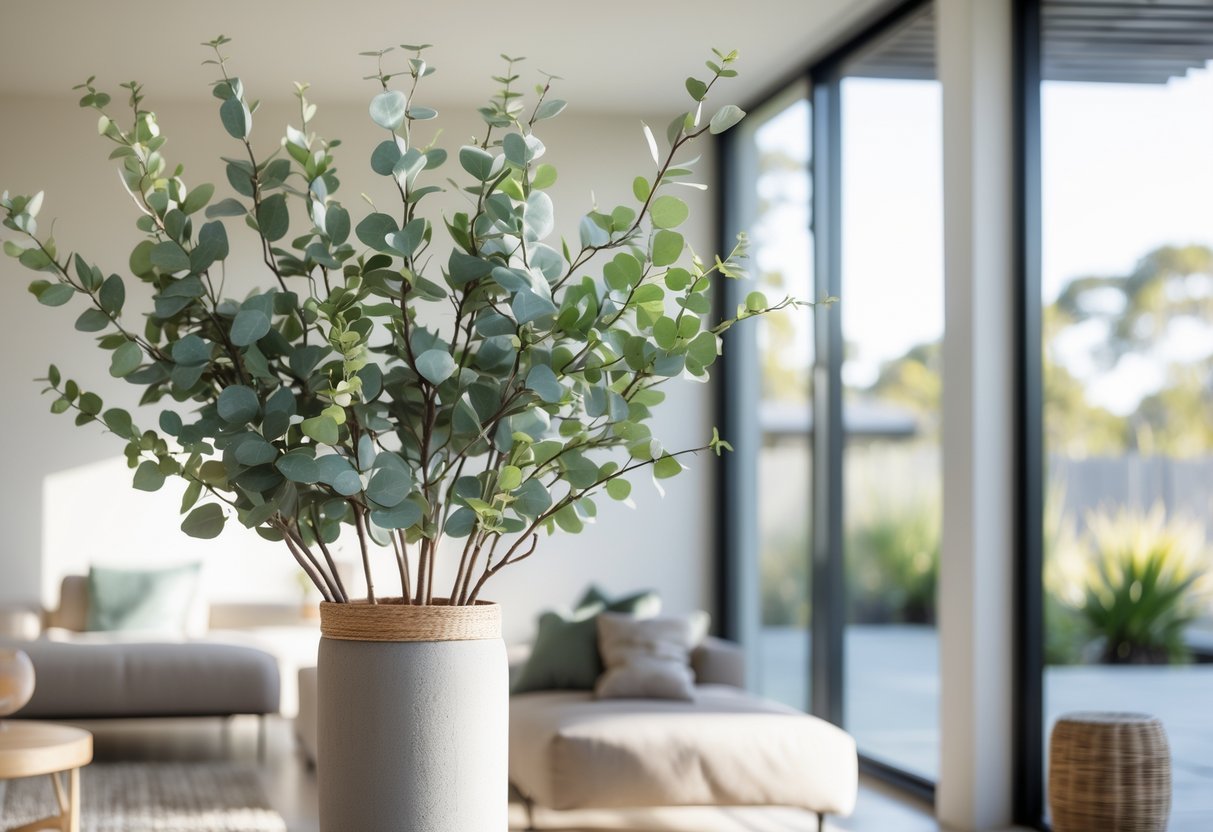
Artificial branches in Australia give you a practical way to style homes, events, and commercial spaces without ongoing maintenance. I often see them used when you want consistent colour, shape, and height all year round, regardless of season or climate.
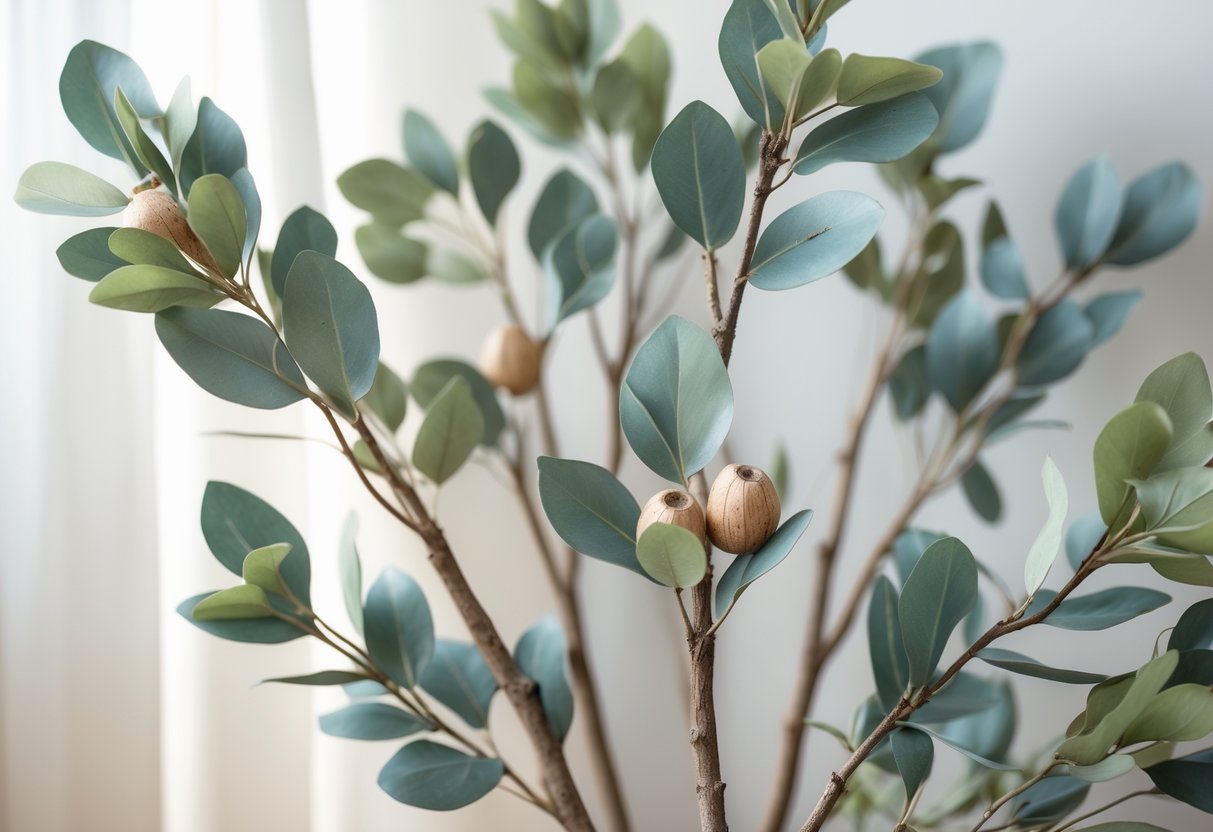
Artificial branches in Australia offer long-lasting decorative stems made to suit local styling trends, with wide availability for homes, weddings, and businesses. I like how they work as stand‑alone pieces in tall vases or as fillers mixed with artificial flowers and greenery.
When you choose the right style and supplier, you get realistic detail, flexible use, and reliable delivery across Australia. I find they suit both small decorative updates and large-scale event styling without added upkeep.
Key Takeaways
- Artificial branches suit Australian homes, events, and commercial spaces.
- You can use them alone or pair them with flowers and greenery.
- Local suppliers make buying and delivery straightforward across Australia.
Artificial Branches in Australia: An Overview
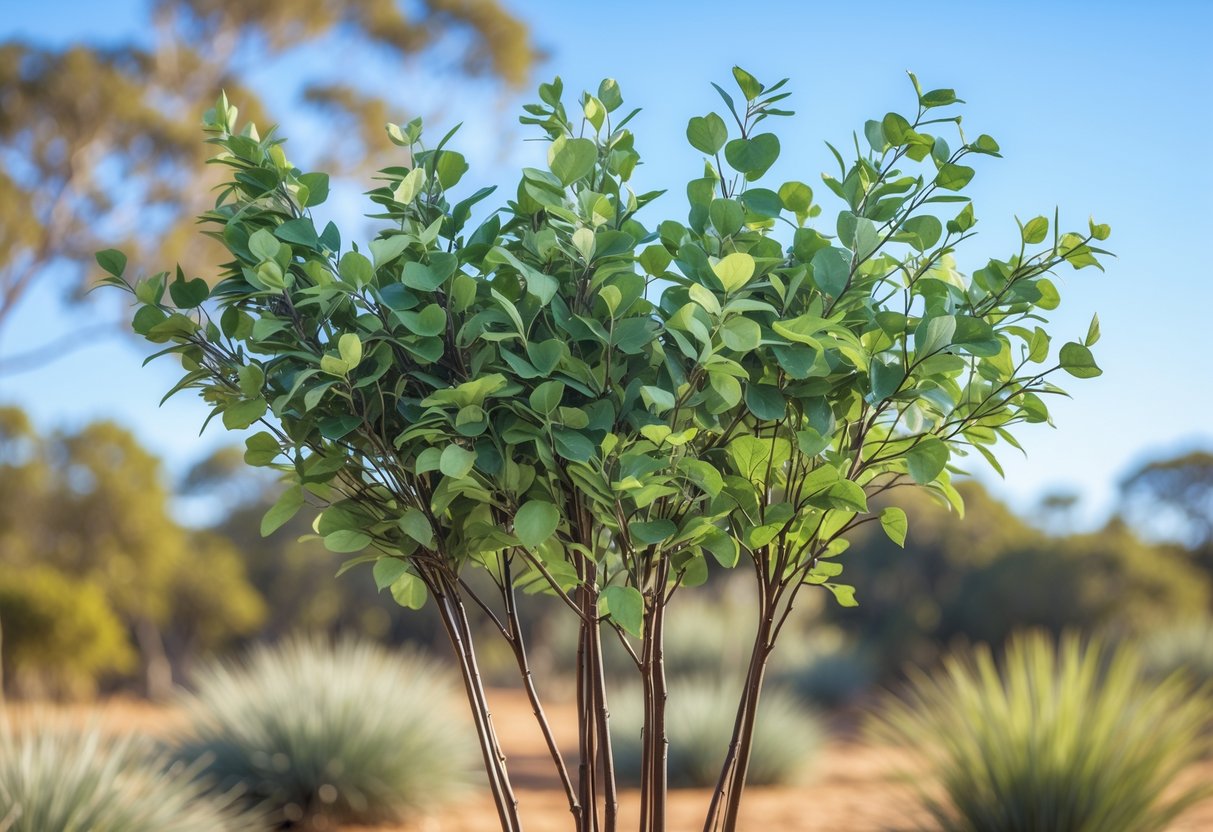
I see artificial branches across Australia used for interiors, events, and commercial styling because they look consistent, store easily, and suit local climates. Shoppers focus on durability, realistic finishes, and ranges that match Australian design tastes.
Key Benefits of Artificial Branches
I choose artificial branches when I want stable colour and shape all year. They do not shed leaves, attract pests, or require water, which suits homes and venues with limited maintenance time.
They work well in heat and humidity, so I often recommend them for long displays. Many retailers deliver nationwide, making artificial branches Australia options easy to source for regional areas, not just capitals.
Practical advantages I rely on:
- Low upkeep: no trimming or watering
- Longevity: holds form through repeated use
- Flexibility: easy to move, store, and restyle
For everyday décor, I look to ranges like lifelike artificial branches in Australia from Knick Knacks Australia (https://knicknacks.com.au/product-category/artificial-flowers-greenery/artificial-branches/) because they suit residential spaces without looking staged.
Popular Types Available Locally
I see strong demand for eucalyptus, gum, and native-style foliage because they match Australian interiors. Twig and berry stems add texture for vases and floral arrangements.
Event stylists often use tall decorative pieces for entrances and stages. I’ve used decorative artificial branches for weddings and events from Wholesale Wedding Superstore (https://www.wholesaleweddingsuperstore.com.au/artificial-flowers/branches/) to create height without heavy structures.
Common types I find locally:
- Native-look eucalyptus and wattle
- Bare twigs and blossom branches
- Berry and fruit sprays
- Long stem branches for floor vases
For bulk orders, I point clients to wholesale artificial branches in Australia from Koch & Co (https://www.koch.com.au/artificial-branches), which helps control costs for large setups.
High-Quality Materials and Realism
I judge quality by touch, colour variation, and how stems bend. Premium fake branches use layered plastics, fabric leaves, and wired cores that hold natural curves.
I prefer ranges that mix matte and soft-sheen finishes to avoid a plastic look. Brands also vary leaf sizes and tones, which reads more natural at close range.
When realism matters, I look at realistic artificial twigs, branches, and berries from J Floral (https://jfloral.com.au/collections/artificial-branches-twigs-berries). Their detailing suits close-up arrangements on tables and counters.
What I check before buying:
- Leaf texture and vein detail
- Secure leaf attachment
- Sturdy but flexible stems
These details make artificial branches fit naturally into Australian homes and commercial spaces without constant adjustment.
Uses for Artificial Decorative Branches
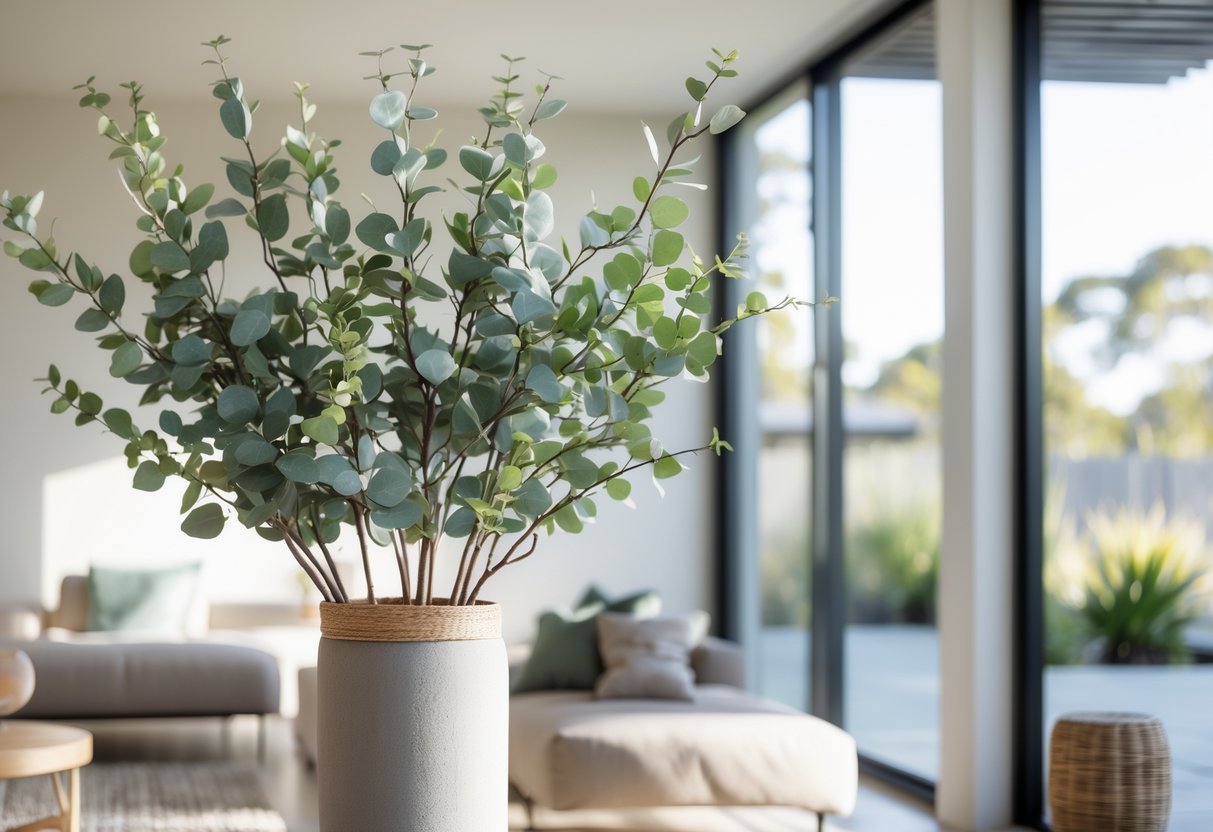
I use artificial decorative branches to add height, structure, and texture without ongoing maintenance. They work well in permanent displays, seasonal styling, and floral arrangements where consistency matters. I also rely on them to anchor artificial greenery and artificial leaves in both small and large spaces.
Home and Office Styling
I often place decorative branches in tall floor vases to fill vertical space and soften hard edges. Entryways, reception areas, and meeting rooms benefit from this approach because the branches guide the eye upward and create balance.
Artificial branches suit low‑light areas where live plants struggle. Options like twisted willow, eucalyptus, and cherry blossom stay consistent year‑round, which helps in offices that need a tidy, predictable look. Many styles sold as artificial branches for weddings, events, and home décor also transition easily into everyday interiors.
Common placements I use:
- Floor vases near doors or lifts
- Credenzas and console tables
- Corners that feel visually empty
I choose neutral colours for offices and softer flowering styles for homes.
Creative Floristry with Silk Branches
I use silk branches to add line and movement to arrangements without increasing weight or fragility. They create spacing between blooms and help define the overall shape of a design.
When working on long‑lasting displays, I prefer higher quality materials like those found in premium artificial branches from Koch & Co. These hold their form and resist bending after repeated handling. That matters when I reuse arrangements across seasons.
Floristry uses I rely on:
- Extending height in centrepieces
- Framing floral clusters
- Building asymmetrical designs
Silk branches also reduce waste, since I can repurpose them rather than replace fresh materials.
Combining Branches with Artificial Leaves
I combine branches with artificial leaves to create fuller, layered displays. Branches provide structure, while leaves soften gaps and add density.
I usually start with a strong base branch, then weave in artificial greenery at different angles. Collections of artificial twigs, branches, and berries make this process easier because the colours and finishes already match.
| Element | Purpose |
|---|---|
| Branches | Height and direction |
| Artificial leaves | Volume and coverage |
| Greenery sprays | Transitions between layers |
This method works well in vases, wall installations, and tabletop arrangements where realism and balance matter.
Pairing Artificial Branches with Flowers and Greenery
I focus on balance, scale, and colour when I pair artificial branches with flowers and greenery. The right combinations create depth, keep arrangements practical, and suit Australian interiors without extra maintenance.
Best Artificial Flowers for Arrangements
I choose artificial flowers with defined petal shapes and consistent colour, because they sit more naturally beside structured branches. Roses, magnolias, and peonies hold their form well and do not compete with branch lines.
I often mix artificial flowers with artificial plants to vary texture without overcrowding the vase. This approach mirrors advice on blending faux and real elements from guides on combining real and artificial plants in home decor.
Flowers that pair well with branches
| Flower type | Why it works |
|---|---|
| Roses | Clear shape and strong stems |
| Peonies | Full blooms add contrast |
| Magnolias | Match branch scale |
| Orchids | Add height without bulk |
I avoid overly soft or drooping flowers, as they reduce the clean look branches provide.
Floral Combinations for Australian Themes
I lean into Australian styling by pairing branches with earthy colours and native-inspired forms. Eucalyptus-style branches work well with muted whites, rust tones, and soft greens.
I keep arrangements tall and open, which suits local interiors and works with tips from articles on styling decorative stems and branches creatively. Neutral ceramic or timber vases reinforce the look.
I also limit the palette to two or three colours. This keeps the display calm and avoids a crowded feel.
Common Australian-inspired combinations
- Pale blossoms with gum-style foliage
- Soft pinks with grey-green leaves
- Cream flowers with natural brown branches
Incorporating Peonies and Native Flowers
I use peonies when I want fullness around tall branches. Their layered petals soften rigid lines and work well in medium to large vases.
I place peonies lower in the arrangement and let branches rise above them. This keeps the display grounded and prevents the blooms from hiding the branch structure.
For native styles, I mix peonies with faux banksia or gum leaves. Suppliers of artificial branches designed to pair with flowers often offer textures that complement fuller blooms.
I space stems carefully and avoid tight bunching. Air between elements makes artificial arrangements look intentional and balanced.
Artificial Branches for Wedding Décor
I use artificial branches to add structure, height, and texture to wedding décor without worrying about wilting or seasonal limits. They work across ceremony spaces, receptions, and styling details, and they suit both minimalist and layered looks.
Trending Decorative Styles for Weddings
I see couples leaning toward natural forms with controlled colour palettes. Popular choices include eucalyptus, willow, and flowering branches that hold their shape all day. Many planners favour Australian native styles for texture and muted greens, especially when styling country or coastal venues with artificial native branches for weddings.
I also notice a rise in monochrome installations using white or blush flowering branches for clean, modern venues. These pair well with acrylic signage and neutral linens.
| Style | Common Branch Types | Best Use |
|---|---|---|
| Native | Eucalyptus, acacia | Outdoor and rustic settings |
| Modern | Cherry blossom, magnolia | Contemporary venues |
| Romantic | Soft flowering branches | Ceremonies and aisles |
How to Create Impact with Centrepieces
I build centrepieces around height and negative space rather than dense florals. Tall decorative branches in slim vases draw the eye upward and keep tables uncluttered. Artificial options make this easy because stems stay upright and consistent across every table.
For long banquet tables, I prefer clusters of low branches mixed with candles. This creates rhythm without blocking guest sightlines. I often source flexible stems from individual artificial flower stems and branches so I can bend and shape them on site.
Key tips I follow:
- Keep vase colours neutral to avoid visual noise
- Use odd-number groupings for a relaxed look
- Match branch scale to table size
Venue Ideas: Rustic, Modern, and Beyond
I adapt artificial branches to suit the venue rather than forcing a theme. In barns and wineries, I place full-length branches in floor vases at entrances and behind the bridal table. Suppliers offering decorative branches for weddings and events usually stock taller stems that suit these spaces.
For modern venues, I limit colour and focus on form. Sparse branches with clean lines work well against concrete, glass, or industrial backdrops. When styling at home-style receptions or marquee weddings, I mix branches with softer foliage sourced from ranges like artificial branches and twigs to keep the look balanced and intentional.
Buying Guide and Customer Service in Australia
I focus on three practical areas when buying artificial branches in Australia: choosing the right style and materials, understanding online ordering and delivery, and knowing how to reach support when I need help. These details save time, reduce returns, and set clear expectations.
Selecting the Right Artificial Branch
I start by matching branch type to the space and use case. Materials, stem flexibility, and colour consistency matter more than price alone. I rely on clear product photos and close-ups, then compare specifications against my needs using a checklist.
| What I Check | Why It Matters |
|---|---|
| Material (PE, fabric, wire core) | Affects realism and durability |
| Stem length and bendability | Determines arrangement options |
| Colour tone and finish | Prevents mixed or artificial-looking displays |
| Indoor vs outdoor rating | Avoids fading and cracking |
When I want deeper detail on realism and construction, I refer to a practical artificial branches buying guide. For bulk or event use, I compare ranges like artificial branches from Koch & Co to check consistency across batches.
Shopping Online and Shipping Information
I buy online to access wider ranges and consistent stock across Australia. Before checkout, I confirm dispatch times, courier options, and whether items ship from a local warehouse. This helps avoid delays, especially during peak seasons.
I look for stores that clearly state delivery zones and tracking. Retailers such as the Artificial Plant Shop Australia outline shipping timelines and customer service standards, which makes planning easier. I also check return policies for change-of-mind or transit damage.
For larger orders, I watch for carton dimensions and weight. These affect freight costs and delivery access to apartments or commercial sites.
Contact and Customer Support
I prioritise sellers that list a clear email address and respond within one business day. Quick replies help with colour matching, restock dates, and order changes. I also check for phone support during Australian business hours.
Showroom access adds confidence for first-time buyers. Visiting or contacting suppliers like Flowerama’s artificial branches range lets me confirm texture and scale before committing. When issues arise, I expect straightforward solutions, clear timelines, and written confirmation by email address.
Frequently Asked Questions
I focus on material quality, buying options within Australia, care routines, current styling preferences, and outdoor use. These points help me choose artificial branches that suit Australian homes, climates, and design tastes.
How can I tell if an artificial branch is of high quality?
I check the materials first, especially whether the branch uses a mix of PE and fabric rather than shiny plastic. Realistic colour variation, textured stems, and wired branches that hold their shape usually signal better quality.
I also look at how the leaves attach to the stem. Secure joins and hidden mould lines tend to last longer and look more natural over time.
What are the best places to buy artificial branches in Australia?
I often start with specialist retailers that focus only on artificial greenery, as they usually offer more realistic designs. Stores like those selling artificial branches in Australia give me access to bulk options and consistent quality.
For home styling, I also browse décor-focused suppliers that curate branches by style rather than volume. This makes it easier to match branches with existing interiors.
Are there any Australian-made artificial branches available?
Most artificial branches sold locally are imported, but many Australian businesses design and quality-check their ranges in-house. I see this approach used by retailers that specialise in artificial plants for residential and commercial spaces.
Buying from Australian-based sellers still helps with faster delivery and better support. It also makes returns and replacements simpler if something arrives damaged.
How do I care for and maintain my artificial branches to keep them looking fresh?
I remove dust every few weeks using a soft cloth or a feather duster. For heavier buildup, I use a gentle wipe with a slightly damp cloth and let the branches air dry.
I keep them out of direct sunlight where possible. This reduces fading and helps the colours stay consistent for longer, which aligns with common care advice for artificial trees and plants.
What are the latest trends in artificial branches for home decor?
I see a strong preference for tall statement branches placed in floor vases, especially in entryways. Neutral green tones and simple silhouettes feel more popular than heavily decorated styles.
Bare branches and lightly leafed stems also work well in modern homes. Designers often recommend editing arrangements carefully, which matches advice from guides on styling fake tree branches like a designer.
Can artificial branches be used outdoors and how do they withstand the weather?
Some artificial branches suit outdoor use, but I always check if they are UV-stabilised. Without this feature, prolonged sun exposure can cause fading and brittleness.
Wind, frost, and rain also affect lifespan. Even outdoor-rated branches last longer in covered areas, which reflects common guidance on exposure limits for artificial plants discussed in articles about fake trees in Australian homes.