
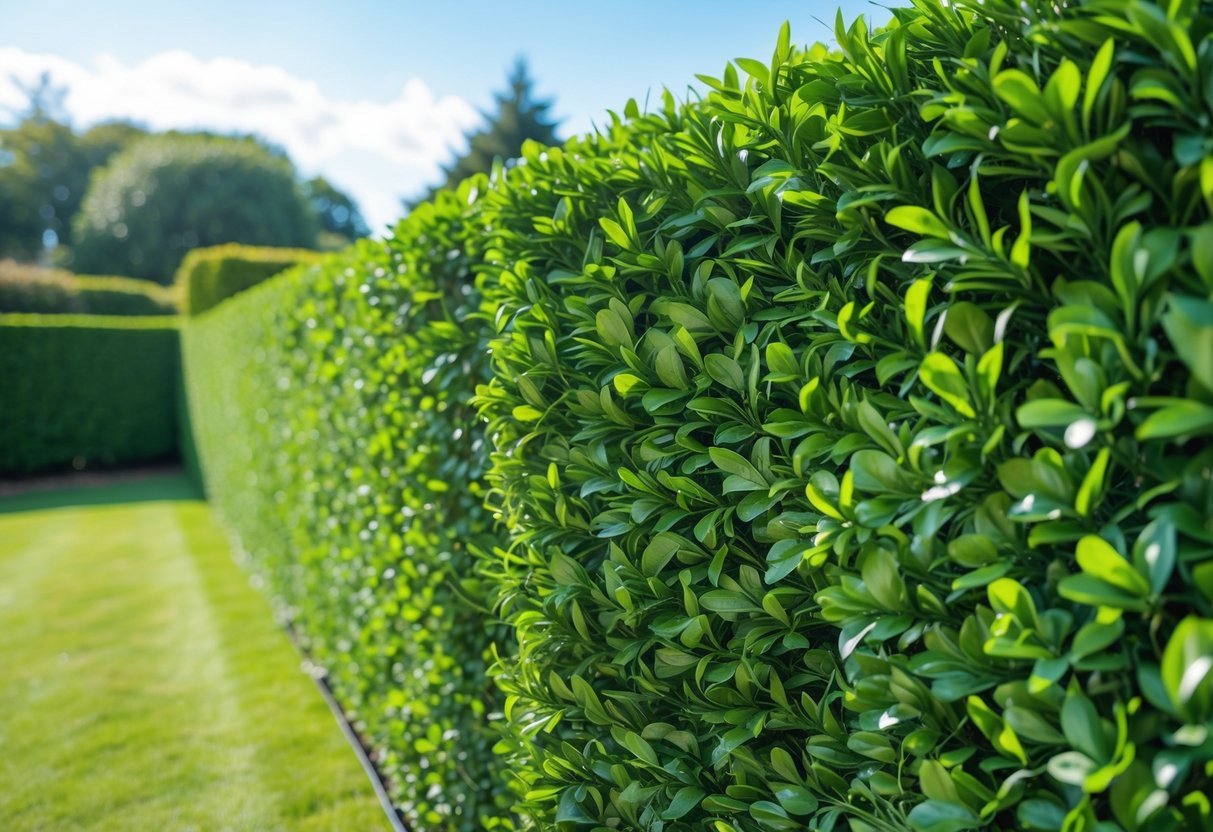
You want greenery that looks neat all year without trimming, watering, or replacing dead plants. I see artificial boxwood hedge as a simple way to add structure, privacy, and colour to almost any space, indoors or out.
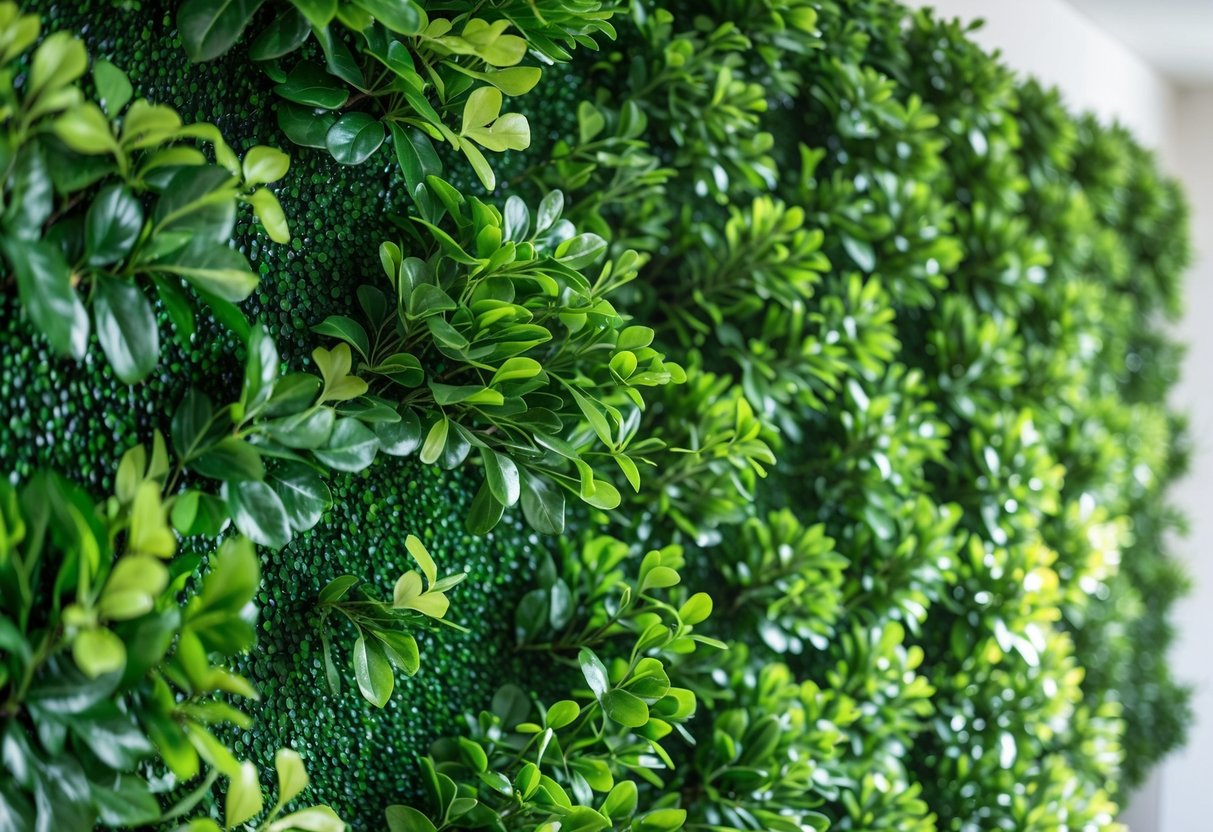
An artificial boxwood hedge gives you the look of a real hedge with none of the ongoing maintenance. I find it especially useful when you want fast results, clean lines, and consistent coverage on walls, fences, balconies, or offices.
I’ll walk through how it works, where it fits best, and what to consider before buying so you can decide if it suits your space and budget.
Key Takeaways
- Artificial boxwood hedges provide a low-maintenance green finish.
- They work well for both indoor and outdoor design needs.
- Choosing the right style and setup improves long-term results.
What Is an Artificial Boxwood Hedge?
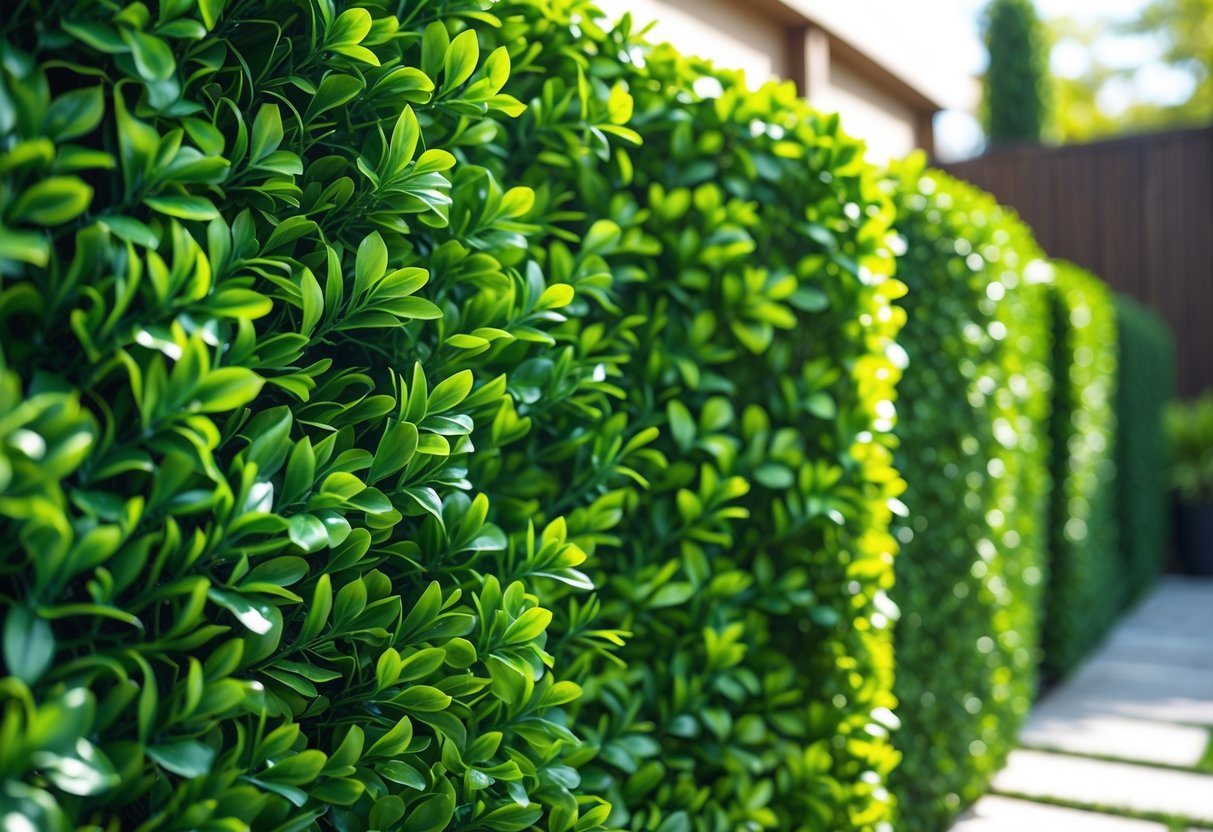
I use the term artificial boxwood hedge to describe a structured greenery product that delivers the look of a classic boxwood hedge without live plant care. It combines consistent shape, year‑round colour, and flexible installation options for indoor and outdoor spaces.
Defining Artificial Boxwood Hedges
An artificial boxwood hedge is a panel, screen, or planted form made from synthetic materials shaped to mimic real boxwood leaves. Manufacturers usually mount the foliage on plastic or metal backing to keep the hedge dense and uniform.
I often see artificial boxwood used as privacy screens, decorative walls, or freestanding hedges in planters. Many options include UV‑resistant coatings, which helps reduce fading outdoors, as explained in this artificial boxwood hedge guide.
Key features usually include:
- Even leaf colour and tight leaf spacing
- Fixed height and width for predictable coverage
- No watering, pruning, or soil requirements
These traits make artificial boxwood practical where live plants struggle.
Comparison to Natural Boxwood Hedges
When I compare artificial boxwood to a natural boxwood hedge, the biggest difference comes down to maintenance and control. Real boxwood needs regular trimming, pest management, and suitable soil conditions to stay healthy.
Artificial boxwood avoids those issues and keeps the same shape every day of the year. It also works well in shaded areas, paved spaces, and indoors where natural hedges cannot survive. According to this overview of low‑maintenance artificial boxwood hedges, care usually involves light cleaning rather than ongoing garden work.
Here is a simple comparison:
| Feature | Natural Boxwood | Artificial Boxwood |
|---|---|---|
| Watering | Required | Not required |
| Pruning | Regular | None |
| Appearance | Seasonal change | Consistent year‑round |
Types of Artificial Boxwood Hedges
Artificial boxwood hedges come in several common formats, each suited to different uses. I choose based on location, coverage needs, and whether the hedge needs to move.
The most popular types include:
- Panel hedges for walls, fences, and screens
- Portable boxwood hedges in planters for flexible layouts
- Modular panels that connect to create custom sizes
Some designs focus on privacy, while others serve as decorative backdrops. This range of formats appears in products designed for both homes and businesses, such as those described in this guide to artificial boxwood hedges for privacy and décor.
Each type delivers the structured look people expect from a boxwood hedge, without relying on live growth.
Benefits of Artificial Boxwood Hedges
I often recommend artificial boxwood hedges when people want consistent greenery without ongoing work. They deliver reliable privacy, suit many settings, and hold their appearance across changing conditions.
### Low Maintenance and Durability
I like artificial boxwood hedges because they remove the regular tasks that come with living plants. They do not need watering, pruning, fertilising, or pest control. That alone saves time and avoids seasonal upkeep costs.
Most products use PVC or polyethylene, which manufacturers design to keep shape and colour over time. Many panels interlock, so damaged sections are easy to replace instead of rebuilding an entire hedge. According to this guide on artificial boxwood hedge maintenance, simple cleaning like light dusting or rinsing keeps them looking fresh.
Common upkeep tasks
- Occasional rinsing with water
- Light brushing to remove dust
- Checking fixings after strong wind
### Privacy and Aesthetic Appeal
I see artificial boxwood hedges used most often for privacy, especially where instant coverage matters. Unlike natural hedges that take years to thicken, artificial hedges provide full visual screening from day one. Dense panels also help block unwanted views in residential and commercial spaces.
The structured leaf pattern suits modern and traditional designs. Many people use them as fences, balcony screens, or backdrops for events. Some designs also reduce noise slightly due to their thickness, which this article on artificial hedges for privacy explains in practical terms.
| Use case | Visual impact | Privacy level |
|---|---|---|
| Boundary screening | Clean and uniform | High |
| Event backdrop | Decorative | Medium |
| Balcony panels | Compact | High |
### Indoor and Outdoor Versatility
I find artificial greenery especially useful because it works indoors and outdoors without adjustment. Artificial boxwood hedges fit offices, retail spaces, courtyards, and rooftops where live plants struggle with light or access to water.
They also work well as green walls or modular panels. Many systems allow vertical installation, which helps maximise small areas. This overview of artificial green wall applications shows how panels adapt to different layouts without structural changes.
Indoors, artificial boxwood hedges avoid humidity issues and leaf drop. Outdoors, they keep a stable appearance regardless of soil quality. That flexibility makes them practical for temporary or permanent installations.
### UV Resistance and Weather Performance
I always check for UV-rated materials when choosing artificial boxwood hedges for outdoor use. UV resistance slows colour fading and prevents brittleness from long sun exposure. This matters in Australian conditions, where sunlight intensity is high year-round.
Many manufacturers test panels for rain, heat, and mild frost. While extreme weather can affect fixings, the foliage itself usually holds up well. This FAQ on UV-rated artificial boxwood hedges outlines what to expect from outdoor-rated products.
Key performance features often include:
- UV inhibitors in the leaf material
- Drainage gaps to prevent water pooling
- Flexible backing to handle temperature changes
Popular Uses and Creative Applications
I see artificial boxwood hedge products used most often where people want consistent greenery, clean lines, and minimal upkeep. These applications focus on privacy, visual structure, and flexible design across homes and workplaces, including artificial green walls and modular feature panels.
Residential Gardens and Courtyards
I often recommend an artificial boxwood hedge for courtyards, balconies, and small gardens where real plants struggle. It works well as a privacy screen, boundary edge, or backdrop for outdoor seating.
Homeowners frequently use artificial hedges to line fences or soften hard surfaces like concrete and brick. The dense foliage creates a defined border without trimming, watering, or seasonal dieback.
Common residential uses include:
- Screening neighbours on balconies and patios
- Framing garden paths or pool areas
- Creating low-maintenance courtyard walls
Many designs mirror the look of traditional boxwood hedge layouts used in formal gardens, which makes them easy to integrate with existing landscaping. Ideas like these appear in guides on creative uses for artificial boxwood hedge designs, especially for compact outdoor spaces.
Commercial and Office Spaces
In commercial settings, I see artificial boxwood hedge installations used to organise space and control sightlines. Offices, cafés, and retail environments rely on them to separate areas without permanent construction.
Artificial hedges suit high-traffic areas because they keep their shape and colour year-round. Businesses often place them along walkways, patios, or entry points to guide movement and define zones.
Typical commercial applications include:
- Dividing outdoor dining areas
- Enhancing shopfronts and entrances
- Softening office courtyards and break zones
Designers also favour boxwood hedge panels for branded environments, as described in examples of fake box hedge styling for commercial spaces. The uniform look supports clean, professional layouts without ongoing maintenance.
Artificial Green Walls and Feature Panels
I regularly see artificial boxwood hedge panels used as artificial green walls indoors and outdoors. These panels create vertical greenery where ground space stays limited.
Artificial green walls work well for feature areas such as reception desks, patios, and outdoor entertaining zones. The boxwood hedge texture provides a dense, even surface that suits both modern and classic spaces.
Key feature panel uses include:
| Application | Purpose |
|---|---|
| Interior green walls | Visual interest without light or water |
| Outdoor feature panels | Year-round greenery |
| Modular wall systems | Flexible layouts |
Design approaches like these appear in broader discussions on transforming spaces with artificial boxwood hedges, especially where green walls need durability and visual consistency.
Choosing and Installing Artificial Boxwood Hedges
When I choose an artificial boxwood hedge, I focus on materials, sizing, and installation details that affect how it looks and how long it lasts. Small choices here make the difference between a hedge that blends in and one that looks out of place.
Key Features to Consider
I always start with foliage quality because cheap plastic stands out quickly. Dense leaf coverage, mixed leaf sizes, and a matte finish help artificial boxwood look closer to real shrubs.
UV resistance matters for outdoor use. Without it, colour fades fast, especially in full sun. Many modern fake hedges include UV-stabilised materials designed for year-round exposure, as outlined in this artificial boxwood hedge overview.
I also check backing panels and fixings. Rigid mesh panels hold shape better than soft mats.
Key features I prioritise:
- UV protection for outdoor areas
- High leaf density with varied textures
- Strong backing for easy mounting
- Fire ratings for commercial spaces
Size, Shape, and Customisation
I measure the space carefully before buying anything. Artificial boxwood hedges come as panels, rolls, or freestanding units, and the wrong size leads to awkward joins.
For feature areas, I prefer modular panels. They allow cleaner edges and suit artificial green wall layouts indoors or outside. Custom trimming also helps fit corners, fencing, or balconies without gaps, which is a common issue noted in this artificial hedge design guide.
Some suppliers offer mixed foliage tones or optional flowers. I use these sparingly to avoid an artificial look.
| Area | Recommended Format |
|---|---|
| Fence lines | Interlocking panels |
| Balconies | Lightweight roll hedges |
| Offices | Framed wall panels |
Installation Tips and Methods
I match the fixing method to the surface. Timber fences accept screws easily, while brick or concrete needs wall plugs or mounting rails.
For temporary setups, I use cable ties or clips. Permanent installs benefit from spacing fixings evenly to prevent sagging, especially with larger artificial hedges. This approach aligns with practical advice from artificial boxwood hedge installation tips.
I always leave small expansion gaps outdoors. Heat causes slight movement, even with quality artificial boxwood.
Before final fixing, I step back and check alignment. Small adjustments at this stage save a lot of rework later.
Care, Cleaning, and Maintenance
I keep artificial boxwood hedges looking neat by focusing on regular cleaning, the right products, and simple habits that protect colour and shape. These steps suit both indoor and outdoor artificial greenery and do not require special tools or technical skills.
Easy Cleaning Practices
I start with light, routine cleaning because dust builds up faster than most people expect. For indoor hedges, I use a soft microfibre cloth or a handheld duster once every one to two weeks. This prevents grime from settling into the leaves.
For outdoor panels, I rinse them every few months using a garden hose on medium pressure. I avoid high-pressure spray because it can loosen foliage or backing. This approach aligns with common advice for maintaining artificial boxwood panels outdoors.
When dirt sticks, I mix lukewarm water with a small amount of mild dish soap. I gently wipe the surface, then rinse and air-dry fully. I never scrub hard or use abrasive brushes.
Quick cleaning checklist:
- Dust indoors every 1–2 weeks
- Hose down outdoors every 2–3 months
- Use mild soap only when needed
- Let panels dry completely before rehanging
Using Artificial Plant Cleaner
I use an artificial plant cleaner when hedges start to look dull or slightly faded. These sprays restore a natural finish without leaving residue. I always choose products designed for artificial greenery, not general household cleaners.
I spray lightly from about 30 cm away and wipe with a clean cloth. This helps spread the product evenly and prevents pooling. Many guides on keeping artificial boxwood hedges looking realistic recommend this method for consistent results.
I avoid silicone-heavy sprays on outdoor hedges. They can attract dust over time. For indoor use, I apply cleaner every three to four months, or after a deep clean.
What I look for in a cleaner:
- Non-greasy finish
- UV-protective properties
- Safe for plastic and fabric leaves
How to Maintain Greenery Year-Round
I position artificial boxwood hedges with sunlight exposure in mind. Even UV-stabilised panels last longer when I rotate them occasionally. This prevents uneven fading, especially on balconies and fences.
For outdoor installations, I secure panels firmly to avoid wind movement. Loose panels collect debris faster and wear unevenly. Regular checks help me spot issues early, which matches advice found in guides on long-term care for fake box hedges.
When I store panels, I keep them flat in a cool, dry space. I avoid stacking heavy items on top. This keeps the backing straight and the leaves full.
Ordering, Delivery, and Customer Support
I focus on three things when buying an artificial boxwood hedge: how easy it is to order, how clearly the delivery process works, and how responsive customer service feels if something goes wrong. These details shape the buying experience as much as the product itself.
Placing an Order and Tracking Information
I usually order an artificial boxwood hedge online because most Australian retailers keep the process straightforward. Product pages typically list exact dimensions, materials, and UV resistance, which helps me confirm the hedge suits my space before checkout.
After purchase, many stores send tracking information by email once the order ships. Retailers offering Australia-wide delivery of artificial boxwood hedges like those from Artificial Plant Shop make it easy to follow the parcel from dispatch to arrival.
Tracking updates matter to me when ordering larger panels or multiple pieces. They help me plan installation and avoid missed deliveries.
Re-Delivery and Replacement Policies
I always check re-delivery and replacement terms before finalising payment. Some retailers treat artificial greenery as a décor item with limited return options, especially for change-of-mind cases.
For example, certain listings clearly state non-returnable conditions for artificial boxwood hedges due to size or packaging, like those outlined by LivingStyles. This makes it important to measure carefully before ordering.
Re-delivery usually applies if a courier misses me or the address details need correction. Replacement policies tend to cover items damaged in transit, provided I report issues quickly and supply photos. I look for timeframes, not vague promises.
Customer Service Experience
Good customer service makes a noticeable difference when ordering bulky or custom greenery. I value support teams that respond promptly and give clear answers about stock, delivery windows, and replacements.
Large retailers selling items such as the Artificial Boxwood Hedge sold by Harvey Norman often provide multiple contact options, including phone and live chat. That flexibility helps when I need fast clarification.
I also pay attention to tone. Friendly, practical replies signal that the retailer understands real-world delivery issues. Clear communication builds confidence, especially when ordering multiple panels or project quantities.
Frequently Asked Questions
I get asked practical questions about care, installation, safety, lifespan, UV performance, and sizing. These details help people choose the right artificial boxwood hedge and keep it looking consistent year‑round.
How can I maintain and clean my synthetic boxwood hedge to keep it looking fresh?
I keep maintenance simple by removing loose dust with a soft brush or a handheld blower. For heavier dirt, I rinse the leaves with water and let them air dry.
I avoid harsh chemicals because mild soap and water work well. Many care tips for artificial boxwood hedge maintenance focus on light, regular cleaning rather than deep scrubbing, as explained in this guide to artificial boxwood hedge care and upkeep.
What are the best ways to install a faux boxwood hedge in my outdoor space?
I usually install panels using cable ties, screws, or brackets, depending on the surface. Timber fences, metal frames, and masonry walls each need different fixings.
For freestanding layouts, I use weighted bases or planter boxes. This overview of artificial hedge wall installation methods outlines common approaches for outdoor setups.
Are artificial boxwood hedges safe for pets and children?
I look for hedges made from non-toxic plastics designed for home use. Most quality products use materials intended for residential gardens and play areas.
I still recommend secure installation so panels do not shift or fall. Product guides on artificial boxwood hedge materials often explain what the hedges are made from and where they are suitable to use.
How long do imitation boxwood hedges typically last in outdoor conditions?
I expect a well-made hedge to last several years outdoors when it has UV protection and proper fixing. Weather exposure and sun intensity affect lifespan more than normal wear.
Manufacturers often design these hedges for long-term use in gardens and commercial spaces. This article on artificial boxwood hedge durability explains how they perform in changing weather conditions.
What kind of UV protection do fake boxwood hedges have to prevent fading?
I choose hedges labelled as UV-stabilised or UV-rated for outdoor use. This treatment slows colour fading caused by direct sunlight.
Not all products offer the same level of protection, so I check specifications closely. Information on UV-resistant artificial boxwood hedges helps clarify what UV ratings mean in real use.
Can I customise the size of my faux boxwood hedge to fit a specific area?
I often trim panels or connect multiple sections to match a wall, fence, or frame. Many systems use modular designs that make resizing straightforward.
Some suppliers also offer made-to-measure options for larger projects. This overview of custom artificial boxwood hedge options explains how sizing and panel combinations work.