

You want flowers that always look perfect without the fuss of watering, wilting or pollen. I’ll show you how artificial bouquets give you realistic colour, long-lasting value and endless styling options so you can pick the mood, season and care level that suits your life. If you want fuss-free blooms that look great year-round, artificial bouquets deliver realistic beauty, low maintenance and excellent value.
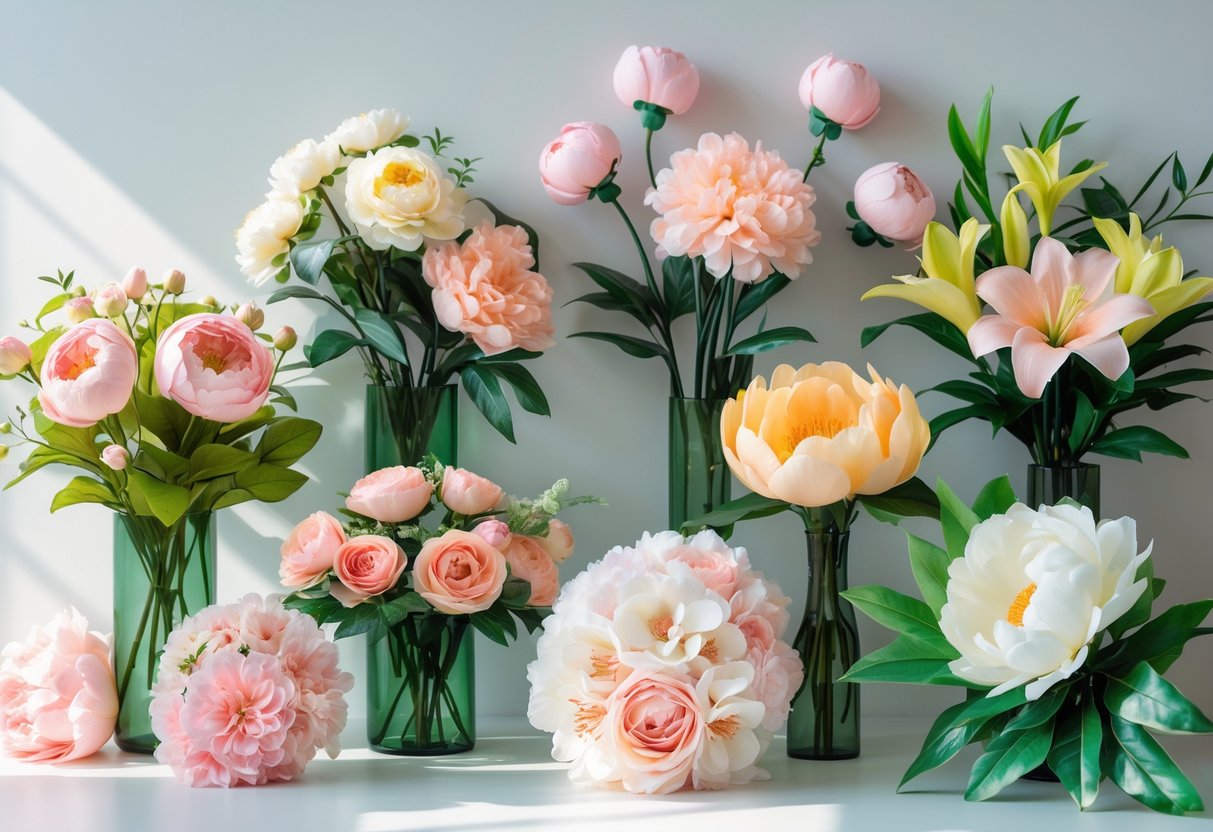
I’ll walk you through the most popular styles, how to choose materials and colours, simple ways to style them for events or home, and the quick care tips that keep them looking fresh. Expect practical advice, visual ideas and the confidence to choose or design bouquets that suit weddings, gifting or everyday décor.
Key Takeaways
- Artificial bouquets offer lasting, low-maintenance floral options.
- Choose materials and styles that match the event or room’s mood.
- Simple care and styling keep arrangements looking realistic and fresh.
What Are Artificial Bouquets?
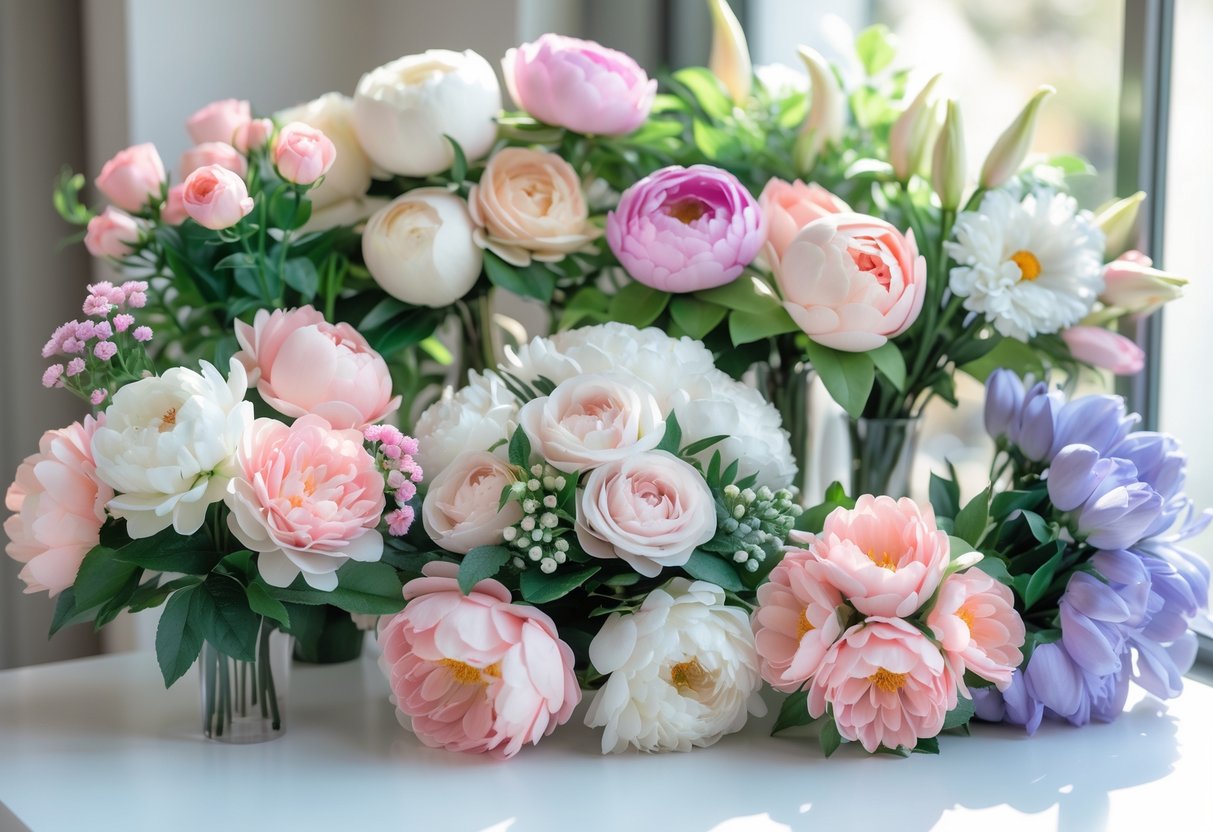
Artificial bouquets are crafted arrangements of faux flowers designed to look like live blooms while requiring minimal care. I’ll explain what they are, the common materials used, and the practical differences you can expect compared with fresh bouquets.
Defining Artificial Bouquets
I define artificial bouquets as intentional groupings of fabricated flowers and foliage assembled to mimic natural floral arrangements. They can be single-species clusters—such as silk rose bouquets for weddings—or mixed designs combining faux eucalyptus, peonies and orchids for home décor. Makers wire stems for structure and bind them with tape, floral foam or ribbon so the arrangement keeps its shape.
Buyers often choose artificial bouquets for durability, allergy-free display, or repeat use at events. Many suppliers now make “real-touch” or lifelike options that replicate petal texture and subtle colour variation. I look for realistic stem joints, naturalistic leaf veining and secure construction when evaluating quality.
Types of Materials Used
Artificial bouquets use a range of materials depending on cost and realism. Common options include:
- Silk or polyester blends: Lightweight, colour-fast and widely used for affordable silk flowers.
- Latex or real-touch materials: Soft, textured petals that mimic the feel of fresh blooms.
- Paper or crepe: Used for stylised bouquets and craft projects.
- Foam and plastic: Often used for stems, buds and inexpensive filler flowers.
- Wired stems and floral tape: Structural components that let me shape and secure the bouquet.
Manufacturers may add UV coatings for outdoor resilience or hand-paint petals to achieve subtle shading. High-end faux flowers often use mixed-media construction—silk petals with latex coatings and metal-reinforced stems—to balance realism and durability.
How They Differ From Fresh Bouquets
Artificial bouquets differ from fresh bouquets in maintenance, lifespan and presentation. Faux flowers require no watering, refrigeration or daily care; I can place them immediately and they will keep their shape and colour for years. Fresh bouquets, by contrast, offer scent and natural texture but wilt within days and need water and trimming.
In terms of cost, artificial bouquets often have a higher upfront price but lower long-term expense because they are reusable. Fresh bouquets provide seasonal authenticity and fragrance that faux cannot replicate. For events where longevity, transport and allergy concerns matter, I typically recommend realistic artificial bouquets; for sensory impact and tradition, fresh blooms remain preferable.
For examples of lifelike arrangements and suppliers, see designs for crafted artificial bouquets and high-quality silk flowers available online.
Popular Types of Artificial Flowers
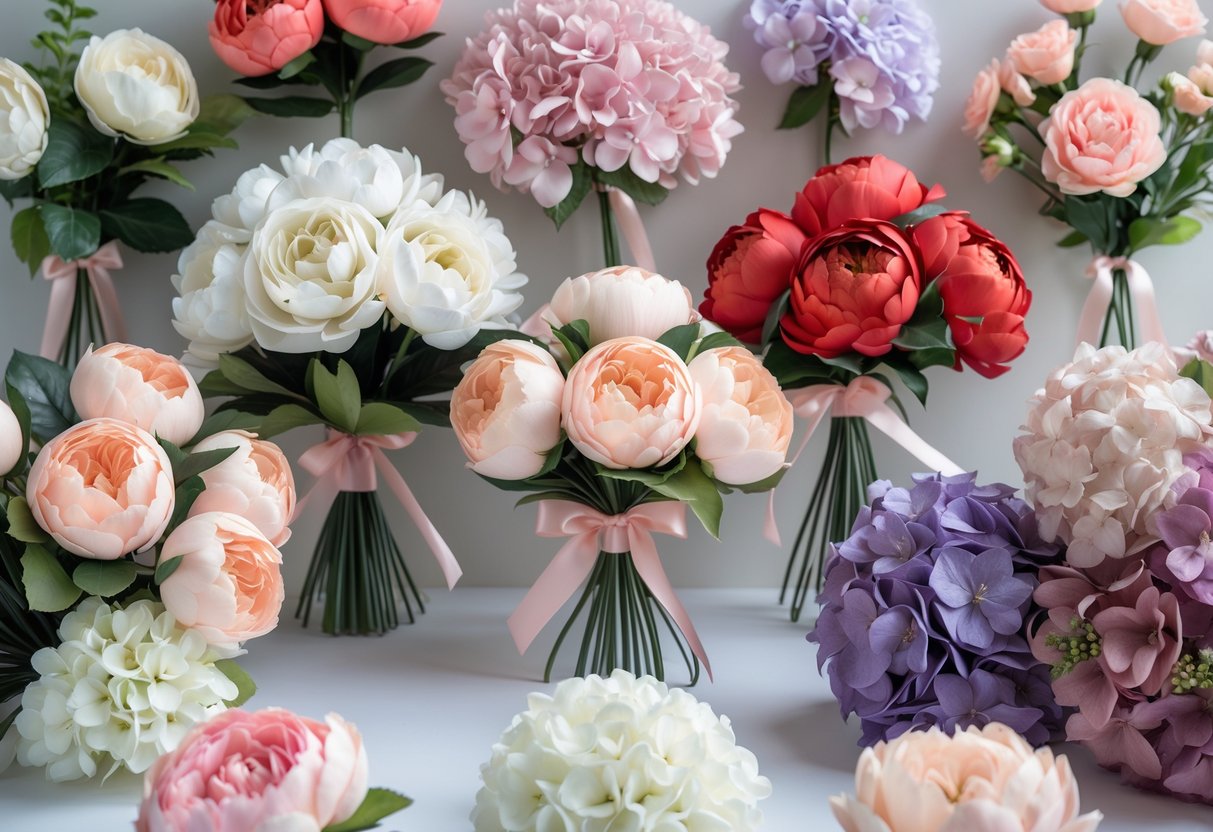
I focus on blooms that give the most impact for weddings, home styling and gift bouquets. I highlight choices that balance realism, longevity and visual weight so you can pick what suits your project.
Peonies and Their Appeal
I choose peonies when I want a soft, romantic focal flower. High-quality artificial peonies reproduce layered petals and subtle colour gradations, so they read as natural from a short distance. They work well as bridal bouquet centres or large table arrangements because their full heads add volume without many stems.
I look for silk or “real touch” finishes and wired stems to shape each bloom. That lets me fluff petals, adjust bloom size and create movement in the arrangement. If allergies or upkeep are concerns, peonies give the same lush look year-round with no watering or wilting.
Orchids for Elegance
I use artificial orchids when I need a refined, contemporary statement. Their long, architectural stems and distinctive blooms suit bridal posies, single-stem displays and cascading bouquets. Realistic orchids often have a textured petal finish and colour gradients that mimic natural veining.
I check for sturdy spike stems and secure attachment of the labellum (the central petal) so the flowers hold their shape in transport. Faux orchids pair well with minimalist styling and metallic accents for a high-end finish without the fragility of living orchids.
Hydrangeas and Other Top Blooms
I pick hydrangeas for instant volume and a soft, cloud-like effect in arrangements. Artificial hydrangea heads come in compact clusters that conceal wiring, making them easy to trim and mix with roses, peonies or foliage. Their broad colour range — pastels to deep tones — helps me match seasonal palettes.
For premium artificial blooms, I prioritise lifelike textures and concealed construction details. That usually means realistic petal edges, layered calyxes and concealed stem joints. I combine hydrangeas with smaller filler stems to create depth and avoid a flat appearance. When I need durability for events, these premium options stay consistent across multiple uses.
Useful read: find realistic artificial bouquets and styling tips at Artificial Bouquets Australia.
Artificial Bouquets for Weddings
I focus on practical choices that meet style, budget and durability needs. Expect specifics on bouquet types, sizing, materials and how each works in ceremony and photos.
Bridal Bouquet Choices
I recommend starting with flower types and scale. Pick a focal bloom (peony, rose or ranunculus) in lifelike silk, then add textured fillers like eucalyptus or dusty miller for depth. For a classic look choose a rounded posy 22–28cm wide; for a dramatic look choose a cascading or hand-tied bouquet 30–45cm long.
Think about stem construction. Wired stems let me reshape blooms on the day and replace sections if damaged. Pick floral tape-wrapped stems over glued stems for a more secure hold when carrying and during photos.
Colour matching matters. Bring fabric swatches or a dress detail photo so I can match ivory, blush or deep burgundy tones. Finish with a ribbon wrap—satin for formal weddings, linen for rustic settings—and add a discreet weight if the bouquet feels top-heavy.
Bridesmaid Bouquets
I advise smaller, coordinated bouquets that echo the bridal bouquet without matching exactly. Aim for 14–18cm posies or 20–25cm hand-tied bunches so bridesmaids can hold them comfortably through standing, walking and posed shots.
Use the same family of flowers—mini roses or spray roses paired with gypsophila alternatives—to create cohesion. Keep stems shorter and lighter; choose wire-reinforced stems and a simple ribbon handle so bridesmaids can grip the bouquet easily.
Colour and maintenance are practical considerations. Select shades that flatter each dress and skin tone, and opt for UV-resistant silk if your ceremony is outdoors to avoid colour fade. I also recommend preparing two extra spare bouquets for the unexpected.
Artificial Flower Arrangements for Ceremonies
I treat ceremony florals as a mix of focal installations and repeat elements. For aisle markers and pew ends, use compact arrangements (20–30cm) tied to chairs that mirror the bridal palette. For the ceremony arch, choose larger, layered clusters with a lightweight base to simplify installation.
Durability and transportability matter. Use foam-free designs or wired garlands so elements can be reshaped on-site. I test-fit arrangements on a mock frame or sample chair to confirm balance and sightlines before the wedding day.
Photographic performance is key. Pick materials with a natural matte finish to avoid shine under flash. I also coordinate scale—small posies for signage, medium clusters for pedestals, and a bold statement piece behind the couple—to ensure visual continuity across ceremony photos.
Relevant suppliers in Australia offer pre-made bouquets and custom services if you prefer ready options or bespoke work, for example a range of silk bridal bouquets and arrangements available from The Artificial Flower Co (https://www.theartificialflowerco.com.au/shop/wedding-bouquets-posies/11).
Designing and Styling Artificial Bouquets
I focus on practical choices that make arrangements look natural, last longer and suit the space. Colour balance, foliage, texture and the event’s formality drive every design decision I make.
Colour Selection and Combinations
I pick a dominant colour, a secondary colour and an accent to keep bouquets visually clear. For example, a white-dominant bouquet gets dusty blue as a secondary and a single blush rose as an accent. That trio prevents a muddled look and helps the eye settle.
I match artificial flower tones to the room’s palette. Warm interiors suit creams, burnt orange and deep red. Cool schemes benefit from sage, lavender and slate blues. I test colours under the room’s lighting — daylight, warm LEDs or mixed light — because artificial petals can shift in tone.
I use contrast and value: pair light-coloured blooms with darker foliage or vice versa. I avoid more than three main colours unless I plan a deliberate, eclectic style. For formal events, I keep palettes restrained; for casual spaces, I introduce one playful pop of colour.
Incorporating Foliage and Greenery
I treat greenery as structure rather than filler. Stems like eucalyptus, fern sprays and variegated ruscus create movement and hide mechanics like wires and tape. I place long foliage at the bouquet’s base to elongate, and smaller sprigs between blooms to add depth.
Texture matters: combine glossy leaves with matte stems to mimic natural variation. I stagger leaf sizes to avoid repetition; a single large leaf can be a focal counterpoint to clusters of small buds. I also consider colour temperature — blue-greens read cooler, yellow-greens read warmer — and mix accordingly.
For longevity, I secure greenery with floral tape or a water-filled tube if paired with real stems. I fluff and bend synthetic leaves subtly to avoid plastic stiffness and create shadowing that reads more realistic.
Mixing Artificial and Real Elements
I often blend faux and fresh to get realism plus durability. Use short-lived fresh florals (like spray roses) for scent and focal impact, then surround them with realistic artificial stems for bulk. Keep fresh stems in a separate water source to prevent wilting from glue or wire.
I avoid direct contact between floral foam and fresh stems unless using florist-grade, water-retaining foam. Instead, place fresh stems in mini vials hidden within the arrangement. That reduces cross-contamination and lets me replace fresh pieces without rebuilding the bouquet.
When mixing, match scale and colour temperature. A hyper-realistic artificial peony works better beside a fresh peony than beside a cheap polyester bloom. I also plan for disposal or replacement of fresh parts after the event.
Choosing the Right Bouquet for Your Event
I select bouquet size and style based on venue scale and event formality. For intimate dinners, a low posy or wrist corsage keeps sightlines clear. For aisle and stage work, I choose larger, architectural bouquets with stronger stems and heavier bases.
Consider handling and transport: heavier faux stems need reinforced wrapping or a sturdy vase. For weddings, I pick bouquets that photograph well from different angles and under flash. I test a mock-up in the ceremony space when possible.
I tailor flower choice to the event’s tone: classic roses and peonies for formal events; native protea, gum and billy buttons for Aussie-themed or rustic settings. Finally, I prepare a small emergency kit—extra stems, floral tape and glue—for quick repairs during the event.
Caring for and Displaying Artificial Bouquets
I keep my artificial bouquets looking fresh by using simple, regular care and choosing a display spot that avoids direct sunlight and humidity. Small habits—like monthly dusting and correct storage—make a big difference to colour, shape and longevity.
Cleaning and Maintenance Tips
I dust bouquets weekly with a soft brush or microfiber cloth to prevent build-up that dulls petals. For silk or delicate fabrics I use a handheld blower or low-suction vacuum with a brush attachment to avoid crushing fibres.
If a deeper clean is needed, I test a hidden petal with a damp cloth first. For plastic or latex stems I gently wipe with warm water and a drop of mild dish soap, then rinse and air-dry completely on a towel.
I reshape blooms while slightly damp to restore petals and reposition wiring inside stems to maintain natural curves. For stubborn grime I use a 50:50 mix of water and white vinegar on plastic parts only, applied sparingly.
I avoid aerosol sprays with solvents and keep bouquets away from cooking grease and cigarette smoke, which discolour materials over time.
Long-Term Storage Solutions
I store bouquets in a cool, dry place inside acid-free tissue paper to prevent colour transfer and crushing. For single arrangements I use tall, rigid boxes slightly larger than the bouquet and stuff the gaps with tissue to hold shape.
If I store many bouquets, I label clear plastic containers and layer pieces separated by tissue or thin foam sheets to avoid abrasion. I keep boxes off concrete floors and out of attics or basements where temperature and humidity fluctuate.
For wedding or sentimental bouquets I photograph and note arrangement order before dismantling, then wrap each bloom individually and place them upright in a hatbox or a labelled shipping tube. I check stored bouquets every six months and air them outdoors on a calm, dry day to release any trapped odours.
Frequently Asked Questions
I answer practical questions about choosing, caring for and styling artificial bouquets. Expect specific tips on materials, cleaning methods, sizing and arranging for different rooms and events.
How can I keep my faux flower arrangements looking fresh and vibrant?
Keep bouquets out of direct sunlight to prevent colour fade; filtered light and north-facing windows in Australia work well. Rotate displays every few weeks so any light exposure wears evenly.
Dust weekly using a soft brush or a handheld vacuum on low with a brush attachment. For deeper cleaning, see the cleaning section below for safe techniques that won’t damage petals or wiring.
What materials are often used to create lifelike artificial bouquets?
Silk and polyester blends are common because they hold colour and drape naturally. Real-touch silicones and latex coatings add texture and a slightly flexible feel that mimics fresh petals.
Wired stems and cotton-wrapped stems provide structure for shaping. Foam, paper and bead centres are used to mimic pollen and seedheads in more detailed designs.
Are there any tips for choosing realistic-looking fake flowers for my home?
Choose blooms with varied petal edges and subtle colour gradations; single-tone, perfectly uniform petals look less natural. Inspect stem joints and wrapping—neat, concealed wirings indicate higher quality.
Match bloom scale to real-life counterparts: small native sprigs suit a narrow vase while large peonies need a wide-mouthed vessel. Consider seasonal varieties that suit your local climate and décor.
Can you recommend ways to style fake blooms for different occasions?
For everyday home use, group 3–5 stems of mixed textures in a medium vase to create a relaxed, natural look. Add native eucalyptus or dried grasses for an Australian casual vibe.
For weddings or formal events, use matched bouquets with tied ribbon and wired stems to ensure consistent shape. For table centrepieces, keep heights under 40 cm so guests can see each other across the table.
What’s the best way to clean and maintain artificial flower arrangements?
Light dusting with a soft paintbrush or microfibre cloth keeps petals clean without fraying edges. For fabric flowers, use a spray of diluted fabric-safe cleaner or a 50:50 mix of water and isopropyl alcohol on a test petal first.
Plastic and silicone blooms tolerate gentle soapy water; remove stems from foam bases if possible, rinse and air dry completely before reassembling. Store pieces in breathable boxes with acid-free tissue to avoid colour transfer.
How do I choose the right size and proportion of artificial bouquets for my space?
Measure the visible space and select a bouquet height about two-thirds the height of the vase or shelf to maintain balance. For console tables and mantels, keep arrangements shallow and long rather than tall.
In small rooms, use single-stem focal blooms or compact posies to avoid clutter. Large open spaces can take multi-stem, sculptural arrangements; ensure the vase footprint aligns with the furniture surface to prevent tipping.