
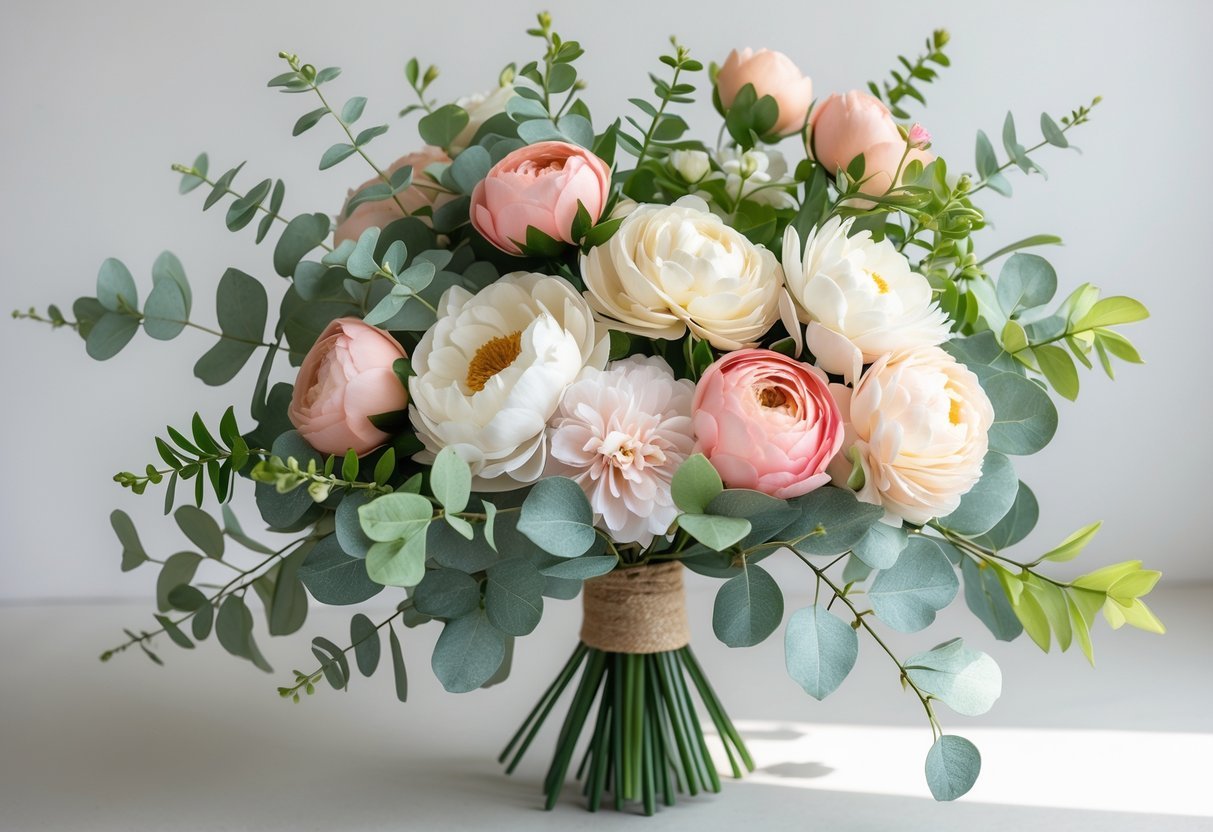
If you want flowers that stay fresh-looking all year, artificial bouquet flowers give you that option. I choose them when I want consistent colour, shape and style without worrying about wilting petals or water changes.
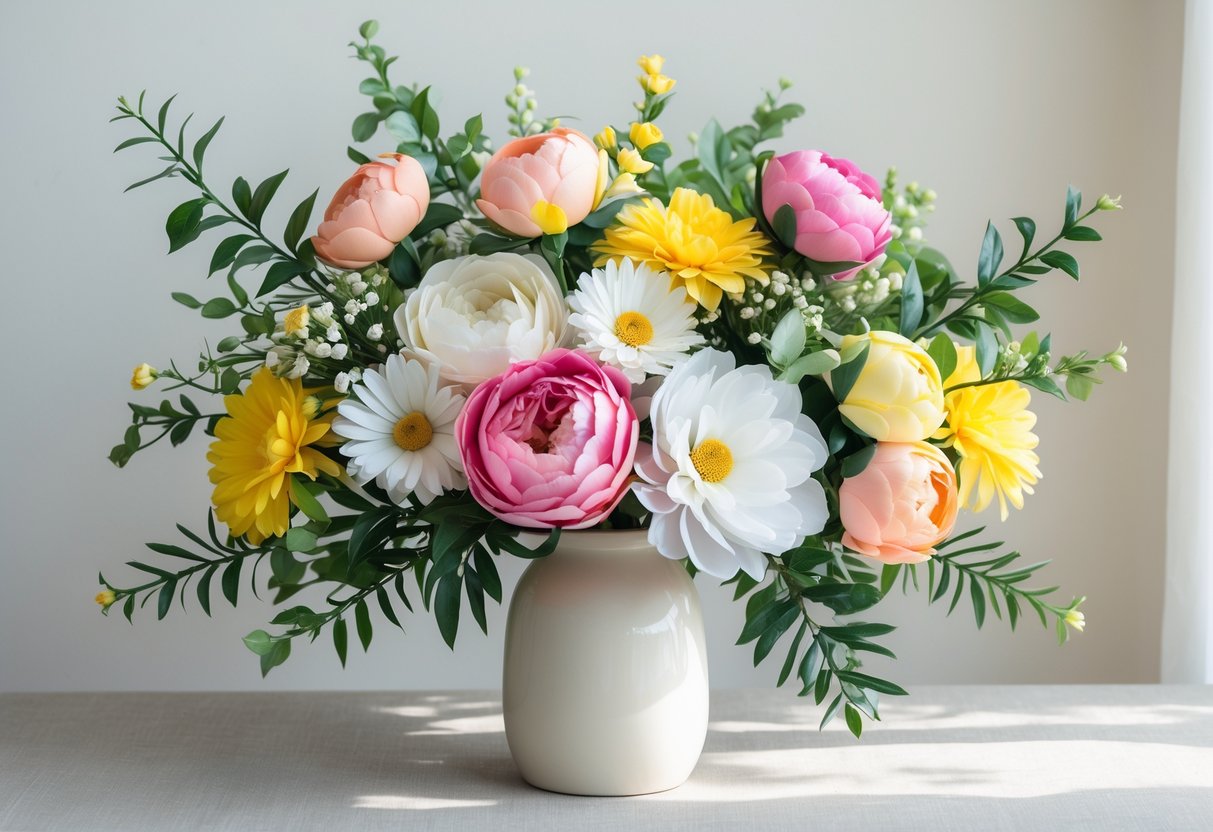
Artificial bouquet flowers are arrangements made from synthetic or silk-like materials that look like real blooms but do not require watering, sunlight or ongoing maintenance. You can use them at home, in an office or for a wedding and expect them to hold their form day after day.
I like how easily you can match them to your theme, whether you prefer soft neutrals, bold natives or classic roses. With the right selection, you can create a polished look that feels natural and suits your space or event.
Key Takeaways
- Artificial bouquets offer long-lasting style without regular upkeep.
- You can use them for home décor, events and weddings with consistent results.
- Careful selection helps you achieve a realistic and cohesive look.
What Are Artificial Bouquet Flowers?
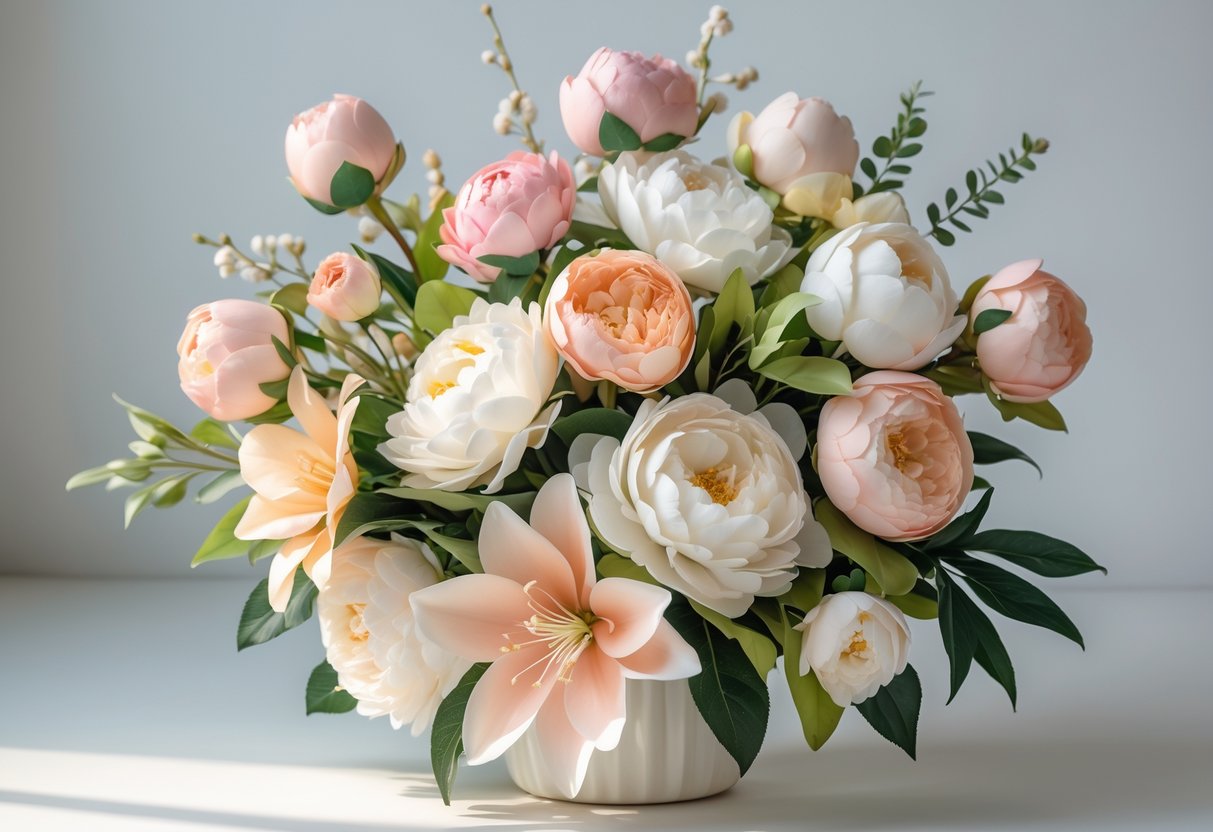
Artificial bouquet flowers are designed to replicate the look and structure of fresh arrangements without the short lifespan. I see them used in homes, offices, weddings, and retail displays because they stay consistent in colour, shape, and size.
They range from simple plastic stems to detailed real-touch artificial flowers that closely mimic natural petals and foliage.
Popular Types of Artificial Flowers
When I look at artificial flowers, I usually group them by style and purpose. The most common types include:
- Silk flowers – lightweight, soft petals often used in wedding bouquets and centrepieces
- Real-touch artificial flowers – made with coated materials that feel slightly moist or flexible, similar to fresh blooms
- Foam or latex flowers – durable options that hold shape well in structured bouquets
- Plastic stems and greenery – often used for filler foliage and outdoor displays
Many retailers focus on ready-made arrangements, such as these artificial flower bouquets, which are styled to suit events and home décor.
I also notice strong demand for faux blooms in weddings because couples want consistent colour palettes and flowers that won’t wilt during long events. In Australia’s warmer months, that reliability matters.
Materials Used in Faux Blooms
Manufacturers use several materials to create faux blooms, and the choice affects appearance, texture, and price.
Common materials include:
| Material | Key Features | Typical Use |
|---|---|---|
| Silk or polyester fabric | Soft texture, good colour detail | Bouquets, bridal flowers |
| Plastic | Durable, weather-resistant | Outdoor décor |
| Latex or foam | Flexible, realistic feel | Real-touch artificial flowers |
| Wire stems | Bendable structure | Custom arrangements |
Modern designs focus on realistic veining, layered petals, and natural colour variation. Some suppliers explain in detail what artificial flowers are made from, including blends of fabric and synthetic coatings to improve durability.
I pay close attention to stem quality as well. A well-wrapped wire stem makes arranging easier and helps the bouquet hold its intended shape.
Key Differences Between Artificial and Real Flowers
The biggest difference I see is lifespan. Real flowers last days to weeks, while artificial bouquet flowers can last for years with minimal care.
Maintenance also differs. Fresh blooms require water, trimming, and temperature control. Faux blooms only need occasional dusting and safe storage.
Cost works differently too. Real flowers involve ongoing purchases for events or seasonal styling. Artificial options require a higher upfront cost but no replacement expenses.
There is also variation in scent and texture. Real flowers provide natural fragrance and subtle imperfections. High-quality real-touch artificial flowers recreate petal softness, but they do not produce scent unless treated with added fragrance.
For long events or commercial displays, I find artificial flowers offer consistency that fresh arrangements cannot guarantee.
Benefits of Choosing Artificial Bouquet Flowers
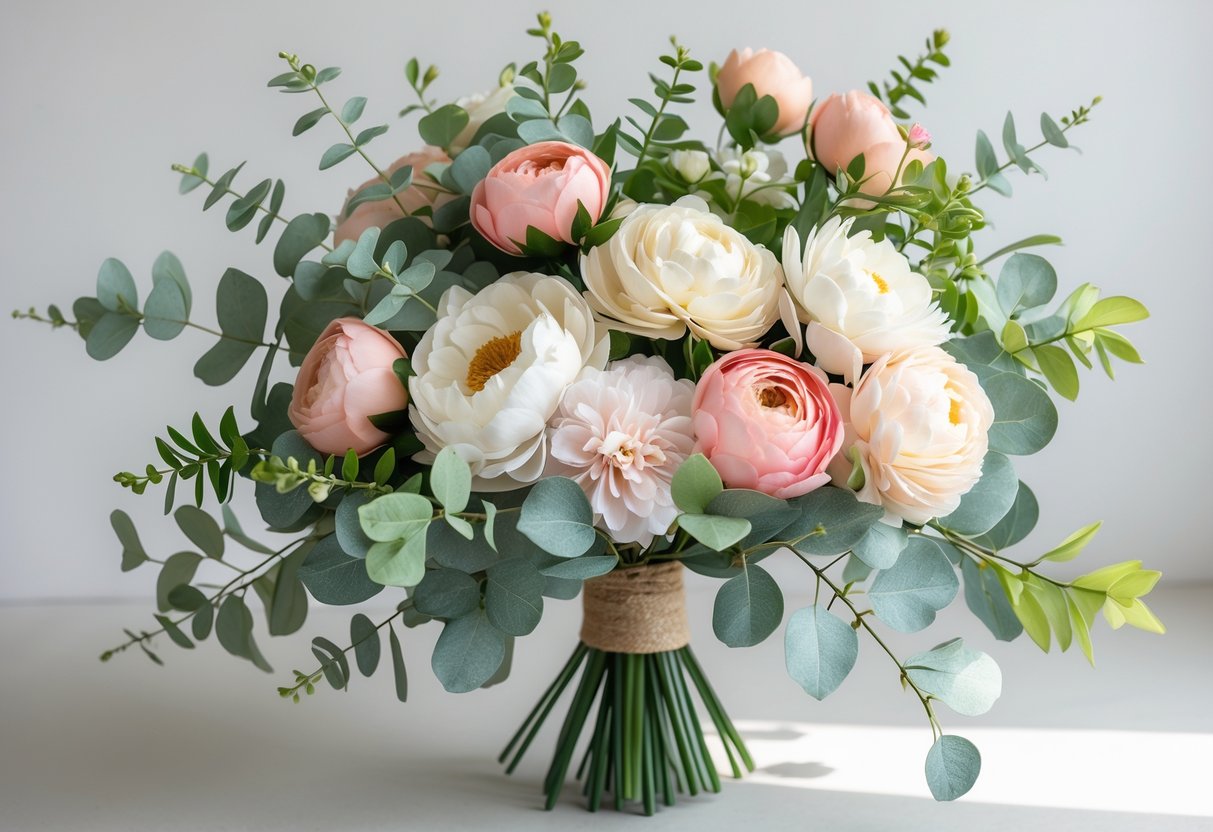
I choose artificial bouquet flowers because they last for years, need very little care, and suit people who struggle with pollen allergies. Modern artificial flowers look realistic and keep their shape and colour without daily attention.
Longevity and Durability
I value how long artificial flowers hold their appearance. Fresh blooms usually last about a week, while quality artificial options can stay vibrant for years, as noted in these 10 reasons to choose artificial flowers.
I can place a bouquet in direct light, move it between rooms, or store it between events without worrying about wilting. The petals do not bruise, and the stems do not droop with age.
Many modern forever florals use durable materials that resist fading and fraying. According to this overview of the benefits of artificial flower bouquets, improved manufacturing techniques now create more realistic texture and colour.
For me, this durability makes artificial bouquet flowers practical for:
- Wedding keepsakes
- Rental properties
- Office reception areas
- Seasonal styling I reuse each year
I buy them once and use them repeatedly, which reduces the need to replace arrangements every few days.
Allergy-Friendly Options
I have friends and family who react to pollen, especially in spring. Artificial flowers remove that issue completely because they do not release pollen or fragrance.
That makes them a practical choice for homes, hospitals, and workplaces where scent sensitivity matters. I can display a bouquet on a dining table without worrying about sneezing or irritation.
Some guides on the benefits of choosing artificial flowers for your home also highlight their allergy-friendly nature as a key advantage. I find this especially useful in smaller spaces where strong floral scents can feel overwhelming.
Artificial bouquet flowers give me the look of fresh arrangements without the physical discomfort that sometimes comes with real blooms.
Low-Maintenance Beauty
I do not need to water, trim, or replace artificial flowers. They stay arranged exactly as I style them.
Fresh bouquets require regular water changes and stem trimming. Artificial bouquet flowers need only occasional dusting with a cloth or gentle air spray.
I also appreciate the flexibility. An artificial bouquet offers long-lasting beauty without the need for constant care, which suits busy households.
With forever florals, I can:
- Store arrangements between seasons
- Reuse centrepieces for multiple events
- Style hard-to-reach areas like high shelves
This level of convenience saves time and reduces ongoing costs, while still giving me a polished and consistent look indoors.
Artificial Bouquet Flowers for Weddings
I choose artificial wedding flowers when I want reliable colour, shape, and structure from the ceremony through to the reception. They photograph consistently, travel well, and let me finalise my wedding bouquets weeks before the big day.
Artificial Wedding Flowers for Bridal Bouquets
When I design a bridal bouquet, I focus on shape, scale, and how it sits in my hands. Artificial bouquet flowers hold their form, so I can create a tight round posy, a loose garden-style arrangement, or a cascading bouquet without worrying about wilting.
I look for high-quality silk or real-touch stems that mimic fresh petals and foliage. Many Australian retailers specialise in premium faux designs, including Luxury Artificial Bridal Bouquets that emphasise handcrafted finishes and Australia-wide delivery.
Key details I consider:
- Stem length and grip for comfort during long ceremonies
- Colour consistency across bouquets and buttonholes
- Seasonal flexibility, since artificial wedding flowers are not limited by harvest cycles
I can also keep my bridal bouquet as a lasting keepsake without preservation treatments.
Bridesmaid Bouquets and Accessories
I coordinate bridesmaid bouquets to complement, not compete with, my bridal bouquet. Artificial flowers make it easy to match tones across multiple arrangements, especially when I need several identical pieces.
Some suppliers offer large online ranges of faux wedding flowers and pre-arranged packages, such as the collections at Flowers For Ever After. This helps me order matching bouquets, corsages, and hair pieces in one place.
I pay attention to:
- Proportion between bridesmaid bouquets and the bridal bouquet
- Weight, so bouquets feel light to carry
- Durable construction for outdoor ceremonies
Artificial wedding flowers also work well for flower crowns, buttonholes, and wrist corsages because they stay intact through hugs, photos, and dancing.
Custom Order Wedding Arrangements
When I want something specific, I place a custom order. This allows me to select exact flower varieties, colours, and bouquet styles that suit my dress and venue.
Studios such as The Artificial Flower Co offer personalised artificial wedding flowers tailored to individual preferences. I can request dramatic arrangements with bold tones or soft, neutral wedding bouquets that blend into a coastal or vineyard setting.
For custom work, I confirm:
- A clear brief with inspiration images
- Measured bouquet sizes in centimetres
- Delivery timelines across Australia
By locking in my wedding flowers early, I remove last-minute stress and know exactly how every arrangement will look on the day.
How to Select the Most Realistic Artificial Bouquets
I focus on colour accuracy, material quality, skilled design, and balanced greenery when choosing artificial bouquet flowers. These details determine whether silk bouquets look natural in everyday light or clearly artificial.
Choosing Natural Colours and Styles
I start by checking whether the colours match real seasonal blooms. Fresh flowers rarely appear in one flat tone, so I avoid artificial flowers with overly bright, uniform petals.
I look for subtle colour shifts at the petal edges and gentle veining through the centre. Guides such as this overview of artificial flowers that mimic realistic appearances of fresh blooms highlight how lifelike colour variation improves visual impact.
Style also matters. I choose looser, slightly asymmetrical arrangements over tight, perfectly round shapes. Real bouquets have movement, small gaps, and varied stem heights.
If I’m buying silk bouquets for a home setting, I match the style to the space. Native-inspired arrangements suit relaxed interiors, while structured roses or peonies work better in formal rooms.
What I check:
- Soft colour gradation, not solid blocks
- Slight petal imperfections
- Varied stem lengths
- Shapes that resemble real florist work
Premium Materials: Silk, Foam, and Real-Touch
Material quality makes the biggest difference in how artificial bouquet flowers feel and photograph. I prioritise silk flowers or modern fabric blends that replicate the thin, slightly translucent look of real petals.
Many high-end options now use latex or polyurethane blends. These are often labelled as real touch florals made from latex or polyurethane blends, and they feel soft rather than plastic.
When I compare options, I gently press the petals. Real-touch artificial flowers have flexibility and a subtle matte finish. Shiny plastic almost always looks artificial under daylight.
A well-made real-touch rose should have:
- A natural spiral centre
- Flexible outer petals
- A realistic stem with slight texture
- Leaves with visible veining
I also check the stems. Wired stems allow minor adjustments, which helps me avoid rigid, unnatural positioning.
Selecting the Right Designer or Florist
Even premium materials look artificial if arranged poorly. I often rely on experienced designers who understand proportion and spacing.
When I assess quality, I refer to buying principles similar to those outlined in this guide to choosing realistic fake flower bouquets. Material, structure, and craftsmanship matter just as much as appearance.
I look for florists who layer stems rather than bundling them tightly. Depth creates shadow, and shadow creates realism.
I also check how the bouquet is secured. If stems are glued in a stiff block, the arrangement will lack movement. Skilled designers bind stems in a way that keeps the bouquet stable but adjustable.
Questions I ask:
- Are the flowers wired individually?
- Can the shape be reshaped slightly?
- Are the stems wrapped cleanly and neatly?
Clear answers usually signal professional work.
Incorporating Artificial Foliage
Greenery often determines whether silk bouquets look believable. I never choose arrangements made only of large blooms without filler.
Natural bouquets include varied foliage types, such as eucalyptus, fern, or small leaf sprays. Mixing leaf shapes prevents the arrangement from looking flat.
I also examine texture. Matte leaves with visible veins look more realistic than thick, glossy plastic. Slight tonal variation within each leaf adds depth.
When I build or select artificial flowers myself, I layer foliage in three ways:
- Base greenery for structure
- Mid-level filler for softness
- Trailing pieces for movement
This layering mimics how fresh bouquets grow and sit in a vase. Balanced foliage supports the focal flowers without overpowering them.
Arranging and Caring for Artificial Bouquet Flowers
I focus on shaping, balance and placement when I arrange artificial flowers. I also stick to a simple cleaning and storage routine so my silk flowers and faux blooms stay fresh-looking for years.
Creative Arrangements for Every Occasion
I always decide where I will place the bouquet before I start arranging. A front-facing design suits a mantel or console, as shown in this guide on how to make an artificial flower arrangement, while a rounded bouquet works better for dining tables.
I build structure first, then add detail:
- Start with greenery to create shape and width.
- Add focal flowers such as large silk peonies or roses.
- Fill gaps with smaller faux blooms for depth.
- Bend wired stems to vary height and avoid a flat look.
For events, I match colour palettes to the setting. Soft neutrals suit weddings, while bold mixed bouquets create impact in living rooms. When I want a balanced, professional finish, I follow principles used in putting together the perfect artificial flower bouquet, such as keeping visual weight evenly distributed.
Proper Cleaning and Storage Tips
I dust my artificial bouquet flowers every few weeks. A soft microfibre cloth or a gentle blast from a hairdryer on cool air removes surface dust without damaging delicate silk flowers.
For deeper cleaning, I check the material first. Many care guides, including this advice on cleaning and caring for fake flowers, recommend mild soapy water for sturdier stems and petals, followed by thorough air drying.
When I store faux blooms, I:
- Keep them in a dry, cool space away from direct sunlight.
- Use acid-free tissue paper to protect petals.
- Avoid crushing by storing bouquets upright in a box.
With consistent care, artificial flowers can maintain their colour and shape for many years, as noted in expert tips on caring for artificial floral arrangements that last.
Frequently Asked Questions
I often get asked how to keep artificial bouquet flowers looking realistic and current. Care, cleaning, materials, sustainability, and custom design choices all play a role in how long an arrangement looks fresh and suitable for the space or event.
How do I care for my artificial flower arrangement to keep it looking fresh?
I keep my arrangements out of direct sunlight to reduce fading, especially if they sit near large windows. Prolonged UV exposure can dull colours over time.
I also avoid damp areas unless the flowers are designed for humidity. Bathrooms and outdoor spaces can cause fabric petals to fray or wires to rust if they are not sealed properly.
Every few weeks, I gently reshape petals and leaves with my hands. This keeps the bouquet looking structured rather than flattened or compressed.
Can fake bouquets look realistic, and what features should I look for?
Yes, fake bouquets can look very realistic when made with quality materials and careful design. I look for “real touch” or “fresh touch” finishes, which many Australian suppliers use to describe lifelike textures, as explained by Realistic Artificial Flowers FAQs.
I check for colour variation within petals, natural-looking stems, and wired branches that allow gentle movement. Bouquets that mix faux blooms with dried elements can also add texture and depth, similar to the approach described by Florence & Alice’s faux wedding flower FAQs.
What are the best ways to clean and maintain faux floral displays?
For light dust, I use a soft microfibre cloth or a gentle feather duster. A hairdryer on a cool, low setting also helps remove dust from detailed petals.
If the arrangement needs deeper cleaning, I wipe leaves and petals with a slightly damp cloth and mild soap. I always dry them immediately to prevent water marks on fabric or latex finishes.
I avoid harsh chemical sprays. They can damage colour coatings and reduce the lifespan of the bouquet.
Are there any eco-friendly options for synthetic flower decorations?
Some suppliers now focus on higher-quality faux flowers designed for long-term use rather than single events. Choosing durable arrangements reduces repeat purchasing and waste.
I also look for businesses that discuss responsible sourcing and product longevity, such as those featured in guides like In Full Bloom: Answering The Most Common Faux Flower Questions. Reusing arrangements for multiple occasions is one of the simplest ways I reduce environmental impact.
How often should I update or replace my artificial flowers to keep them in style?
I rarely replace bouquets because they wear out. I usually update them when my décor changes or when colour trends shift.
For home styling, I refresh arrangements every few years by swapping out a few stems rather than replacing the entire bouquet. For weddings or events, I customise to suit the theme at the time rather than following short-lived trends.
What’s the process for customising an artificial flower arrangement for a special event?
When I customise a bouquet, I start with the colour palette and overall shape, such as round, cascading, or loose and garden-style. Shape changes can affect labour and cost, which many wedding flower providers outline in their Silk wedding flowers and bouquets FAQs.
I then select focal flowers, supporting blooms, and greenery to build depth. Minor adjustments like stem positioning are simple, while major changes such as switching flower types may require new materials.
Before finalising, I review the arrangement in the event setting if possible. Lighting and backdrop colours can influence how the bouquet appears in photos and in person.